違いを一目で確認
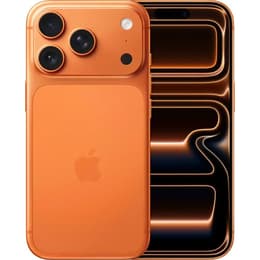
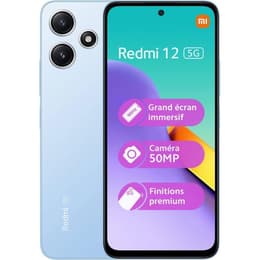
The iPhone 17 Pro (2025) and the Xiaomi Redmi 12 5G (2023) are smartphones built for very different market tiers and user expectations. While they serve as mobile communication tools, they differ significantly in release year, internal architecture, and system software, with the iPhone running Apple's proprietary operating system and the Xiaomi device utilizing Android. Choosing between them depends entirely on what you require from a daily device.
購入可能なモデル
カラー
容量(GB)
スコア
耐久性
When examining longevity and durability, both devices approach hardware lifespan from distinct perspectives based on their release timelines and build qualities.
- Software longevity and updates: The iPhone 17 Pro benefits from a recent release year and extended system support schedules, whereas the Xiaomi Redmi 12 5G, having launched earlier, operates on an older software cycle with a shorter remaining window for major platform upgrades.
- Build and structural protection: The iPhone features reinforced glass and specialized unibody construction designed to withstand long-term wear, while the Xiaomi model incorporates basic splash resistance and everyday durability standards suitable for standard handling.
- Expected practical lifespan: Users can anticipate many years of reliable daily operation from the iPhone's advanced support structure, while the Xiaomi option provides a shorter overall software lifecycle suited for standard short-to-medium-term use.
販売年
2025
2023
最新OSに対応
はい
はい
OS
iOS
Android
折りたたみ
いいえ
いいえ
パフォーマンス
System performance and responsiveness vary notably, influencing how each device handles multitasking, app loading, and daily operational demands.
- Everyday execution and multitasking: The iPhone 17 Pro handles heavy mobile gaming and intensive software smoothly without noticeable slowdowns, while the Xiaomi Redmi 12 5G manages standard web browsing, messaging, and lighter applications efficiently.
- Storage and memory handling: The iPhone offers high-capacity internal configurations paired with substantial memory for seamless background task switching, whereas the Xiaomi device provides moderate storage choices with options for external expansion via memory cards.
- Battery behavior: Both devices deliver sufficient power to complete a standard day of typical usage, though their internal power efficiency profiles differ under heavy, continuous workloads.
スクリーン品質
Display characteristics define the visual experience, affecting clarity, outdoor readability, and motion smoothness during media consumption.
- Display technology and clarity: The iPhone 17 Pro utilizes an advanced organic light-emitting diode panel that delivers deep contrast levels and sharp resolution, while the Xiaomi Redmi 12 5G features a standard high-definition screen suited for daily reading and video playback.
- Brightness and outdoor visibility: The iPhone achieves high peak luminance levels for clear visibility under direct sunlight, whereas the Xiaomi display performs adequately under normal indoor lighting conditions.
- Motion smoothness: The iPhone incorporates adaptive high refresh rate technology for fluid scrolling, while the Xiaomi model provides a consistent refresh rate that handles standard interface navigation smoothly.
解像度
2622x1206
1080 x 2460
画面の種類
Super Retina XDR
IPS LCD
オーディオビジュアル
Imaging and audio hardware shape how users capture memories and experience multimedia content on a daily basis.
- Camera versatility: The iPhone 17 Pro is equipped with multiple high-resolution lenses capable of detailed optical zoom and advanced low-light photography, whereas the Xiaomi Redmi 12 5G relies on a primary sensor suitable for casual snapshots and basic documentation.
- Video recording capabilities: The Apple device supports professional-grade video formats and stabilization features, while the Xiaomi option captures standard high-definition video clips for everyday sharing.
- Audio output: Both models include stereo speaker configurations that provide clear sound delivery for calls, media viewing, and casual listening.
メインカメラ
48 megapixels
50 megapixels
フロントカメラ
18 megapixels
8 megapixels
その他
Practical daily features such as connectivity standards, physical dimensions, and security sensors influence overall usability.
- Connectivity and ports: The iPhone utilizes modern universal cable standards and advanced wireless connectivity protocols, while the Xiaomi device incorporates traditional connection ports alongside standard wireless capabilities.
- Security and authentication: The iPhone features advanced facial recognition technology, whereas the Xiaomi model integrates a side-mounted fingerprint sensor for quick unlocking.
- Physical dimensions: The iPhone 17 Pro presents a compact, weighted feel in the hand, while the Xiaomi Redmi 12 5G offers a larger screen footprint with a lighter overall construction.
重量
206 g
198 g
画面サイズ(インチ)
6.3
6,79
ネットワーク
5G
5G
デュアルSIM
eSIM
デュアルSIM
SIMカード
SIMフリー
SIMフリー
コネクタ
USB-C
USB-C
コミュニティの評価
User feedback on community forums highlights distinct preferences for each device. Owners of the iPhone 17 Pro frequently praise its fluid display performance, robust camera versatility, and long-term hardware reliability, though some note its heavier build profile. Conversely, users of the Xiaomi Redmi 12 5G appreciate its straightforward daily functionality and expandable storage convenience, while observing that its processing power is best kept to lighter tasks. For those seeking a quality-assured refurbished option, exploring eco-friendly alternatives on Back Market can provide a sustainable way to access advanced technology.
Users prioritizing high-end gaming, professional photography tools, and extended software support will find the iPhone 17 Pro well-suited to their needs. Meanwhile, users prioritizing essential communication, basic media viewing, and expandable storage may lean toward the Xiaomi Redmi 12 5G. Evaluating these core differences ensures a choice that matches individual daily requirements.