違いを一目で確認
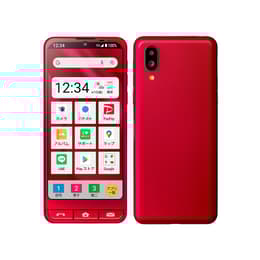
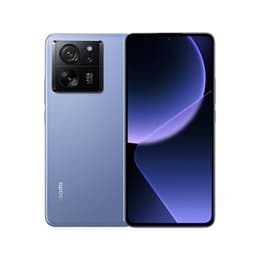
The Sharp Simple Smartphone 6 (2022) and the Xiaomi 13T (2023) are distinct Android mobile devices targeted at very different user experiences. While the Sharp model focuses on simplicity, ease of handling, and accessibility features, the Xiaomi 13T is built around multimedia performance, high refresh rates, and advanced photographic capabilities. Evaluating these models side by side clarifies how their software design and hardware goals cater to contrasting daily usage styles.
スコア
耐久性
When considering long-term use and structural maintenance, both devices offer distinct timelines and physical durability profiles influenced by their release years and build standards.
- Software Support and Age: The Xiaomi 13T benefits from a more recent release date, allowing for an extended software update window compared to the Sharp Simple Smartphone 6, which launched a year earlier and follows a shorter lifecycle schedule.
- Repairability and Build Protection: The Xiaomi 13T incorporates higher water and dust resistance standards (IP68) alongside robust glass protection, whereas the Sharp model prioritizes a lightweight, friendly physical structure that is straightforward to repair for everyday wear and tear.
- Practical Lifespan: Both smartphones maintain stable daily functionality, though users looking for extended operating system updates over several years will find the Xiaomi model's timeline more aligned with long-term readiness.
販売年
2022
2023
OS
Android
Android
折りたたみ
いいえ
いいえ
パフォーマンス
Underneath the surface, these two smartphones handle multitasking, app loading, and energy distribution through completely different hardware foundations.
- Storage and Memory Configurations: The Xiaomi 13T offers higher baseline storage capacities and larger random access memory allocations, facilitating smoother heavy multitasking and large media storage than the more modest capacity configuration found on the Sharp device.
- Processor and Speed: The Xiaomi model handles demanding applications, graphics-heavy games, and rapid switching between multiple active tasks with ease, while the Sharp Simple Smartphone 6 focuses its processing power on steady, reliable execution of daily communication and utility apps.
- Battery Behavior: The Xiaomi 13T features a larger battery capacity coupled with rapid charging technology, whereas the Sharp device relies on energy-efficient hardware to stretch its moderate battery capacity across a standard day of lighter use.
スクリーン品質
Visual output and display responsiveness vary significantly between the two models, impacting media consumption, outdoor legibility, and general navigation.
- Display Technology: The Xiaomi 13T utilizes a vibrant AMOLED display with deep contrast and rich color reproduction, whereas the Sharp Simple Smartphone 6 employs an IPS TFT screen tailored for clear text readability and simplified visual menus.
- Refresh Rate and Smoothness: The Xiaomi model supports a very high refresh rate for fluid scrolling and animations, contrasting with the standard refresh rate on the Sharp device, which prioritizes basic visual stability over high-speed motion transitions.
- Brightness and Outdoor Use: The Xiaomi screen achieves higher peak brightness levels for clear visibility under direct sunlight, while the Sharp display maintains comfortable, glare-reduced readability suited for standard indoor and casual outdoor environments.
解像度
720x1520
1220 x 2712
オーディオビジュアル
Imaging hardware and multimedia output reflect the divergent design objectives of each product line, catering to casual records versus advanced photography.
- Camera Systems: The Xiaomi 13T features a versatile triple-lens rear camera array including a dedicated telephoto option, while the Sharp Simple Smartphone 6 relies on a single straightforward rear lens focused on uncomplicated point-and-shoot captures.
- Low-Light and Video: The Xiaomi model excels in challenging low-light conditions and supports higher-resolution video recording features, whereas the Sharp device handles everyday daylight snapshots and basic video calls adequately without complex configuration menus.
- Audio and Media Output: The Xiaomi 13T includes robust stereo speakers with high-resolution audio support for immersive media playback, compared to the simpler single-speaker setup on the Sharp device designed primarily for clear voice call amplification.
その他
Practical everyday features, physical dimensions, and connectivity options define how each phone integrates into daily routines and physical handling.
- Connectivity and Ports: Both devices support modern 5G cellular networks and Wi-Fi standards, utilizing standard USB Type-C ports for charging and data transfer while omitting legacy analog headphone jacks.
- Physical Dimensions and Weight: The Sharp Simple Smartphone 6 is lighter and more compact, making it exceptionally comfortable for single-handed use, whereas the Xiaomi 13T is slightly larger and heavier to accommodate its expansive screen and larger battery.
- Security and Sensors: The Xiaomi model features an in-display optical fingerprint sensor and facial recognition, while the Sharp device emphasizes physical button access and simplified biometric options tailored for straightforward user verification.
重量
174 g
200 g
画面サイズ(インチ)
5.7
6.67
ネットワーク
4G
5G
デュアルSIM
シングルSIM
デュアルSIM
SIMカード
SIMフリー
SIMフリー
コネクタ
USB-C
USB-C
コミュニティの評価
User community discussions and forum feedback indicate that the Sharp Simple Smartphone 6 receives praise for its physical comfort, clear fonts, and approachable interface layout, though some users note limitations in processing power for heavy modern applications. Conversely, the Xiaomi 13T earns positive remarks for its fluid screen, fast charging speeds, and capable camera system, though users occasionally point out its larger physical footprint as less ideal for compact pockets.
Users prioritizing a lightweight device with straightforward menus and effortless handling will find the Sharp Simple Smartphone 6 well-suited to their daily communication needs. Meanwhile, users prioritizing a high-refresh display, versatile photography options, and strong multimedia performance will lean toward the Xiaomi 13T. Choosing between these options depends entirely on individual daily habits rather than raw technical superiority.
For those interested in sustainable technology choices, exploring a quality-assured refurbished option provides a practical, eco-friendly alternative that extends device lifecycles without compromising on reliability.