違いを一目で確認
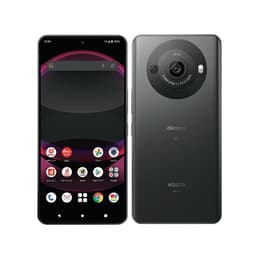
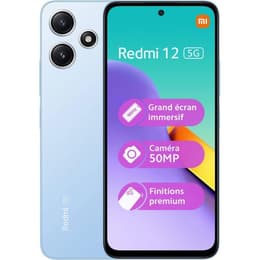
The Sharp Aquos R8 Pro (2023) and the Xiaomi Redmi 12 5G (2023) are both Android smartphones released in the same year, yet they target completely different tiers of the mobile market. While the Sharp Aquos R8 Pro serves as a high-end flagship device packed with advanced hardware and specialized optics, the Xiaomi Redmi 12 5G focuses on delivering essential connectivity and daily functionality as an accessible everyday device. Both models run the Android operating system, though they feature distinct manufacturer interfaces and software update commitments that shape their long-term usability.
購入可能なモデル
カラー
容量 (GB)
スコア
耐久性
Evaluating longevity requires looking at release dates, update support, and build quality to determine how long each device remains functional for daily routines.
- Software support timeline: The Sharp Aquos R8 Pro receives multi-year operating system upgrades and extended security patches, whereas the Xiaomi Redmi 12 5G typically follows a standard software support cycle for its device tier.
- Build resilience: The Sharp model incorporates robust water and dust resistance alongside durable structural standards, while the Xiaomi model provides basic splash protection suitable for everyday environments.
- Expected lifespan: Flagship internal components on the Sharp device maintain processing capability for intensive tasks over a longer duration, whereas the Xiaomi device suits users with standard, less demanding long-term expectations.
販売年
2023
2023
OS
Android
Android
折りたたみ
いいえ
いいえ
パフォーマンス
Daily operation, multitasking, and battery longevity differ significantly based on the internal hardware configurations of each smartphone.
- App loading and multitasking: The Sharp Aquos R8 Pro handles heavy applications, demanding graphics, and rapid switching between multiple tasks smoothly, while the Xiaomi Redmi 12 5G manages standard messaging, web browsing, and casual apps reliably.
- Storage capacity: Both models offer spacious internal storage tiers, with the Sharp model utilizing high-speed data transfer tech and the Xiaomi model providing expandable storage via a microSD card slot.
- Battery behavior: Both devices include 5000 mAh batteries, but differing processor efficiency means the Sharp model optimizes power during heavy usage, while the Xiaomi model easily sustains standard day-to-day communication tasks on a single charge.
スクリーン品質
Display technology defines the visual experience, outdoor visibility, and motion smoothness during media consumption.
- Display technology: The Sharp Aquos R8 Pro features an advanced Pro IGZO OLED screen delivering deep contrast and vibrant colors, whereas the Xiaomi Redmi 12 5G utilizes an IPS LCD panel offering clear and natural visuals.
- Refresh rate and motion: The Sharp model supports an exceptionally high refresh rate for fluid scrolling, while the Xiaomi model provides a standard high refresh rate that improves everyday navigation smoothness.
- Brightness and size: The Sharp display delivers high peak brightness for clear outdoor viewing, while the Xiaomi model offers a slightly larger screen real estate suited for reading and viewing media indoors.
解像度
1260x2730
1080 x 2460
画面の種類
Pro IGZO OLED
IPS LCD
オーディオビジュアル
Optics and audio systems vary to accommodate different photography styles and media playback preferences.
- Camera capabilities: The Sharp Aquos R8 Pro utilizes a large main image sensor developed alongside specialized optics to capture detailed low-light photos, whereas the Xiaomi Redmi 12 5G relies on a standard main sensor for clear daylight snapshots.
- Video recording: The Sharp device supports high-resolution recording formats including ultra-high definition options, while the Xiaomi model captures standard high-definition video suitable for casual sharing.
- Audio output: The Sharp model features stereo speakers and maintains a traditional headphone jack for wired audio accessories, while the Xiaomi model delivers balanced sound output for hands-free calls and media streaming.
その他
Practical physical attributes and connectivity standards influence daily handling, ergonomics, and network compatibility.
- Connectivity options: Both smartphones support modern 5G cellular networks, reliable Wi-Fi standards, and Bluetooth for pairing wireless accessories.
- Security sensors: The Sharp model integrates an advanced ultrasonic in-display fingerprint sensor for rapid unlocking, while the Xiaomi model uses a convenient side-mounted fingerprint scanner.
- Handling and design: The Sharp Aquos R8 Pro features a distinct textured finish for a secure grip, whereas the Xiaomi Redmi 12 5G utilizes a smooth glass back design with balanced weight distribution.
重量
203 g
198 g
画面サイズ(インチ)
6.6
6,79
ネットワーク
5G
5G
デュアルSIM
シングルSIM + eSIM
デュアルSIM
SIMカード
SIMフリー
SIMフリー
コネクタ
USB-C (USB 3)
USB-C
コミュニティの評価
User discussions across public forums highlight distinct community sentiments for each device. Owners of the Sharp Aquos R8 Pro frequently praise its exceptional camera detail in low-light environments and its fluid display performance, though some note the heavier physical profile. Conversely, users of the Xiaomi Redmi 12 5G appreciate its reliable battery endurance and accessible feature set, while pointing out that demanding apps can occasionally slow down system responsiveness.
Users prioritizing advanced photography, maximum processing power, and high-end display tech will find the Sharp Aquos R8 Pro well-suited to their needs. Meanwhile, users prioritizing essential daily communication, expandable storage, and straightforward functionality may lean toward the Xiaomi Redmi 12 5G. For buyers exploring sustainable technology choices, exploring a quality-assured refurbished option provides a practical way to acquire high-end mobile technology while reducing environmental impact.