違いを一目で確認
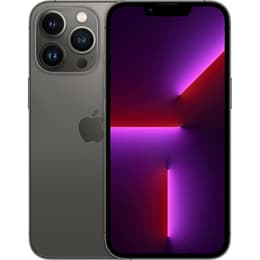
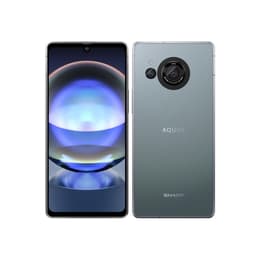
The iPhone 13 Pro (2021) and the Sharp Aquos R8 (2023) are high-end smartphones representing different operating systems and design philosophies. While the iPhone 13 Pro relies on Apple's tightly integrated iOS ecosystem and stainless steel build, the Sharp Aquos R8 runs on the flexible Android platform and emphasizes lightweight portability alongside expandable storage. These two devices cater to distinct user preferences in hardware design and software ecosystems.
購入可能なモデル
カラー
容量 (GB)
スコア
耐久性
When evaluating hardware longevity and software support, both devices offer robust structures, though their update lifecycles and repair considerations differ based on their release years.
- OS support duration: The iPhone 13 Pro benefits from Apple's long-standing software update schedule spanning multiple years, whereas the Sharp Aquos R8 provides several years of major operating system upgrades and security patches from its launch date.
- Build and repairability: The iPhone 13 Pro utilizes a heavy stainless steel frame and ceramic-shield glass, while the Sharp Aquos R8 features an aluminum structure with impact-resistant design standards for everyday durability.
- Expected practical lifespan: Both models sustain daily utility well over time, with software optimization ensuring responsive operation throughout their supported lifecycles.
販売年
2021
2023
最新OSに対応
はい
いいえ
OS
iOS
Android
折りたたみ
いいえ
いいえ
パフォーマンス
Under everyday conditions, both smartphones handle demanding tasks, multitasking, and media playback smoothly, though they utilize different internal storage configurations and memory capacities.
- Storage options: The iPhone 13 Pro offers multiple built-in storage tiers without expansion slots, while the Sharp Aquos R8 provides generous internal capacity paired with a dedicated card slot for expandable storage.
- System responsiveness: Both devices load heavy applications quickly, maintain fluid multitasking transitions, and handle intensive gaming sessions without noticeable stutter.
- Battery behavior: The iPhone 13 Pro manages power efficiency tightly through its operating system, whereas the Sharp Aquos R8 balances its battery capacity to support a full day of mixed usage under typical conditions.
スクリーン品質
Display characteristics vary between the two models, impacting outdoor visibility, color reproduction, and motion smoothness during daily media consumption.
- Display technology: Both phones incorporate advanced OLED panel technology with high contrast ratios, deep blacks, and support for wide color gamuts.
- Refresh rate and smoothness: Both models utilize high refresh rate capabilities to ensure fluid scrolling through web pages, menus, and compatible applications.
- Outdoor visibility: High peak brightness levels on both screens allow content to remain legible and clear even under direct sunlight.
解像度
1170 x 2532
1080x2340
画面の種類
Super Retina XDR OLED
Pro IGZO OLED
オーディオビジュアル
Imaging capabilities differ in hardware layout and processing approach, giving each device distinct strengths for photography and audio recording.
- Camera system capabilities: The iPhone 13 Pro features a triple-lens rear array including telephoto capabilities, while the Sharp Aquos R8 utilizes a dual-lens setup focused on sharp primary sensor details and wide-angle views.
- Low-light and video performance: The iPhone 13 Pro excels in steady video stabilization and cinematic recording modes, whereas the Sharp Aquos R8 processes high-contrast scenes efficiently using dedicated spectral sensors.
- Media consumption output: Both devices deliver clear stereo sound through built-in speakers, though the Sharp Aquos R8 uniquely retains a traditional headphone jack for wired audio accessories.
その他
Practical daily usability features, connectivity standards, and physical handling characteristics define the distinct physical profile of each smartphone.
- Connectivity and ports: The iPhone 13 Pro relies on a proprietary charging port and 5G connectivity, whereas the Sharp Aquos R8 adopts the universal USB-C standard alongside wireless connectivity options.
- Biometric security: The iPhone 13 Pro uses facial recognition technology, while the Sharp Aquos R8 provides a physical fingerprint sensor for device unlocking.
- Physical handling: The iPhone 13 Pro has a heavier build due to its metal frame materials, whereas the Sharp Aquos R8 focuses on a significantly lighter weight distribution for easier one-handed use.
重量
203 g
179 g
画面サイズ(インチ)
6,1
6.39
ネットワーク
5G
5G
デュアルSIM
シングルSIM + eSIM
シングルSIM + eSIM
SIMカード
SIMフリー
SIMフリー
コミュニティの評価
Users reviewing these two options often highlight the iPhone 13 Pro for its reliable video recording tools, sturdy stainless steel construction, and smooth ecosystem integration. On the other hand, owners of the Sharp Aquos R8 frequently praise its remarkably lightweight feel, the inclusion of expandable storage, and the presence of a traditional headphone jack.
Users prioritizing long-term video production tools, facial recognition, and premium metal finishes may prefer the iPhone 13 Pro, while users prioritizing expandable storage, physical fingerprint security, and a lighter chassis will lean toward the Sharp Aquos R8. For those exploring sustainable shopping habits, a quality-assured refurbished option provides an eco-friendly alternative that extends device lifecycles without compromising performance standards.
Selecting between these two models depends entirely on individual preferences regarding software ecosystems, port availability, and physical ergonomics rather than an absolute performance hierarchy.