違いを一目で確認
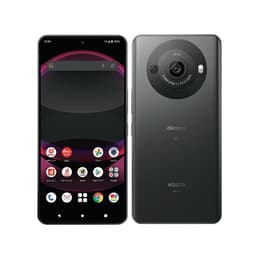
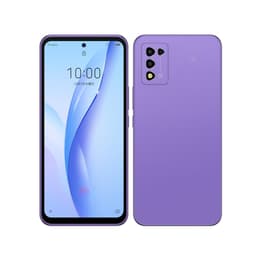
Sharp Aquos R8 Pro (2023) and ZTE Libero 5G III (2022) are distinct smartphones designed for different tiers of mobile users, each running the Android operating system with custom manufacturer interfaces. While the Aquos R8 Pro positions itself as a high-end device emphasizing advanced imaging and raw capability, the Libero 5G III targets everyday users looking for essential connectivity.
These two devices diverge significantly in processing power, camera technology, and build philosophy, making them suited for entirely separate usage expectations.
購入可能なモデル
カラー
容量 (GB)
スコア
耐久性
Evaluating the long-term viability of these devices involves examining their software update schedules, hardware construction, and expected physical durability over years of regular daily use.
- Software support timeline: The Aquos R8 Pro benefits from a multi-year commitment of operating system upgrades and extended security patches, whereas the Libero 5G III features a more limited software lifecycle typical of entry-level categories.
- Build and structural resilience: The Aquos R8 Pro integrates robust environmental protection standards alongside durable materials, while the Libero 5G III offers standard water and dust resistance suited for casual daily protection.
- Expected lifespan: Hardware configuration and memory headroom allow the Aquos R8 Pro to maintain system responsiveness over a longer timeframe, whereas the Libero 5G III is optimized for basic, short-to-medium-term communication tasks.
販売年
2023
2022
OS
Android
Android
折りたたみ
いいえ
いいえ
パフォーマンス
System responsiveness, multitasking capability, and energy management differ markedly due to the contrasting internal hardware configurations embedded within each smartphone model.
- Processing speed and responsiveness: The Aquos R8 Pro handles demanding applications, intensive multitasking, and complex gaming smoothly thanks to its current-generation flagship processor and ample random access memory. In contrast, the Libero 5G III manages everyday tasks like web browsing and messaging reliably with its entry-level processor and moderate memory allocation.
- Storage capacity: The Aquos R8 Pro provides generous internal storage alongside expandable memory options for large media libraries, while the Libero 5G III offers a modest base storage capacity suitable for light application usage.
- Battery behavior: The Aquos R8 Pro pairs a large battery capacity with power-efficient display technology to sustain intensive use routines, while the Libero 5G III relies on a smaller power cell that meets standard daily communication requirements.
スクリーン品質
Display performance shapes daily media consumption, outdoor legibility, and visual comfort across various lighting conditions and application interfaces.
- Display technology: The Aquos R8 Pro features an advanced Pro IGZO OLED panel that delivers deep contrast, vibrant colors, and dynamic refresh rates reaching up to 240Hz for exceptional motion smoothness. The Libero 5G III utilizes a standard OLED panel providing crisp text and clear imagery at a conventional refresh rate.
- Outdoor visibility: High peak brightness levels on the Aquos R8 Pro ensure clear legibility under direct sunlight, whereas the Libero 5G III performs adequately in moderate lighting environments.
- Viewing experience: Both models provide immersive panel sizes suited for streaming video and viewing photos, though the higher fidelity and fluid refresh rates of the Aquos R8 Pro offer enhanced visual fluidity during scrolling.
解像度
1260x2730
1080x2400
画面の種類
Pro IGZO OLED
OLED
オーディオビジュアル
Optics and acoustic engineering dictate how each device handles photography, video recording, media playback, and voice communication tasks.
- Camera capabilities: The Aquos R8 Pro incorporates a large primary sensor co-engineered with a renowned optical brand, capturing rich detail, wide dynamic range, and effective low-light photography. The Libero 5G III features a straightforward multi-lens camera setup designed for casual snapshots and basic documentation.
- Video and audio output: The Aquos R8 Pro supports high-resolution video recording alongside clear stereo speakers enhanced by spatial audio technology. The Libero 5G III delivers standard mono or basic stereo sound output suitable for hands-free calls and casual viewing.
- Microphone performance: Voice clarity during calls and audio recording is crisp on both models, with advanced noise suppression giving the Aquos R8 Pro an advantage in loud environments.
その他
Practical physical attributes, connectivity standards, and daily usability features define how easily each smartphone integrates into various user lifestyles.
- Connectivity and ports: Both devices support modern 5G networks, Wi-Fi standards, and Bluetooth pairing, alongside USB Type-C ports for charging and data transfer.
- Security sensors: The Aquos R8 Pro utilizes an advanced in-display ultrasonic fingerprint reader for rapid biometric authentication, while the Libero 5G III employs a standard optical fingerprint sensor.
- Physical handling: The Aquos R8 Pro balances a substantial screen size with a manageable weight profile, whereas the Libero 5G III features a slightly heavier structural build with flat frame ergonomics.
重量
203 g
207 g
画面サイズ(インチ)
6.6
6.67
ネットワーク
5G
5G
デュアルSIM
シングルSIM + eSIM
シングルSIM
SIMカード
SIMフリー
SIMフリー
コミュニティの評価
User feedback on community forums highlights distinct preferences for each device based on everyday practical requirements. Owners of the Sharp Aquos R8 Pro frequently praise its exceptional camera output, vibrant high-refresh-rate display, and robust processing capabilities. At the same time, some users note its larger physical footprint and premium weight. Conversely, users of the ZTE Libero 5G III appreciate its straightforward interface, reliable daily battery behavior, and lightweight utility for basic tasks, though feedback often points to limitations during heavy multitasking or low-light photography.
Users prioritizing advanced photography, maximum processing speed, and long-term software readiness will find the Sharp Aquos R8 Pro well-suited to their needs. Meanwhile, users looking for a straightforward, dependable communication tool for basic daily tasks may prefer the ZTE Libero 5G III. For those seeking an eco-friendly alternative, exploring a quality-assured refurbished option provides a sustainable choice that aligns with diverse technology needs without unnecessary manufacturing impact. Ultimately, selecting the right device depends on aligning individual performance expectations with daily mobile habits.