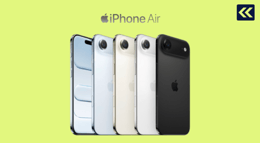
違いを一目で確認
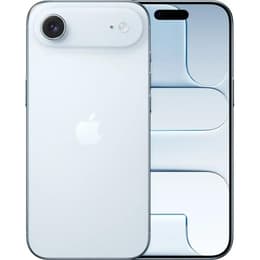
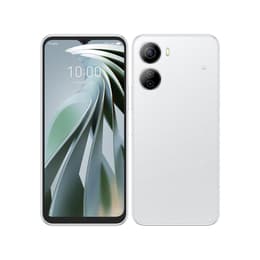
The iPhone Air (2025) and the ZTE Libero 5G IV (2023) represent two entirely different approaches to smartphone engineering and user experience. While the iPhone Air is an ultra-thin flagship device running iOS with a focus on minimalist design and high-end processing, the ZTE Libero 5G IV is an entry-level Android smartphone designed for everyday essentials and straightforward usability. These distinct operating systems and hardware targets cater to very different daily requirements.
購入可能なモデル
カラー
容量(GB)
スコア
耐久性
Durability expectations and software support timelines differ substantially between these two models due to their release years and market tiers.
- Software Support and Longevity: The iPhone Air benefits from Apple's long-term operating system updates, ensuring extended software longevity. The ZTE Libero 5G IV operates on an earlier Android version with a more constrained update lifecycle.
- Build Materials and Structural Protection: The iPhone Air incorporates advanced glass-ceramic protection on both sides alongside a titanium frame, whereas the ZTE Libero 5G IV uses a standard plastic and glass construction typical of entry-level devices.
- Repairability and Lifecycle: Both handsets maintain standard repair pathways, but the iPhone Air's premium components require specialized service, while the ZTE model offers simpler modular replacement common in everyday devices.
販売年
2025
2023
OS
iOS
Android
折りたたみ
いいえ
いいえ
パフォーマンス
Internal hardware capabilities define how each device handles multitasking, demanding applications, and routine daily tasks.
- Processing Power and Multitasking: The iPhone Air features a high-performance processor architecture that effortlessly manages demanding applications, high-end mobile gaming, and intensive multitasking. The ZTE Libero 5G IV relies on an entry-level processor paired with basic memory, making it well-suited for web browsing, messaging, and lighter apps.
- Storage Capacity: The ZTE Libero 5G IV includes expandable storage via a memory card slot alongside internal capacity, whereas the iPhone Air relies entirely on fixed internal storage configurations.
- Battery Behavior: The iPhone Air balances its slim frame with power-efficient internal components to sustain routine daily use, while the ZTE Libero 5G IV features a conventional battery capacity that reliably handles standard daily communication tasks.
スクリーン品質
Display technology and visual output vary significantly, impacting outdoor visibility and media consumption quality.
- Display Technology: The iPhone Air utilizes an advanced OLED screen offering deep contrast levels, rich colors, and high peak brightness for clear outdoor viewing. The ZTE Libero 5G IV employs an IPS LCD panel that delivers standard clarity and color reproduction suitable for daily tasks.
- Refresh Rate and Smoothness: The iPhone Air supports a dynamic high refresh rate for smooth scrolling and animations, while the ZTE Libero 5G IV operates at a standard refresh rate.
- Viewing Area: Both devices offer spacious screens exceeding 6.5 inches, providing ample viewing space for reading, browsing, and watching videos comfortably.
解像度
2736x1260
1080x2408
画面の種類
Super Retina XDR
TFT
オーディオビジュアル
Photography and multimedia capture capabilities reflect the contrasting market positioning of each smartphone.
- Camera Systems: The iPhone Air features a single high-resolution main camera setup backed by advanced computational photography for sharp detail and reliable low-light performance. The ZTE Libero 5G IV utilizes a multi-lens configuration incorporating a primary sensor alongside auxiliary macro and depth lenses for basic snapshots.
- Video Recording: The iPhone Air supports high-definition video capture with advanced stabilization features, whereas the ZTE Libero 5G IV records standard definition video suitable for casual sharing.
- Audio and Media Output: Media consumption on the iPhone Air benefits from optimized stereo speaker output, while the ZTE Libero 5G IV provides standard mono speaker playback for calls and casual media.
その他
Physical dimensions, connectivity standards, and daily handling characteristics establish distinct user experiences.
- Form Factor and Handling: The iPhone Air is recognized for its exceptionally slim and lightweight profile, making it effortless to carry. The ZTE Libero 5G IV features a slightly thicker, traditional housing that offers a secure, conventional grip.
- Connectivity Options: The iPhone Air incorporates advanced wireless standards including modern Wi-Fi and Bluetooth specifications, while the ZTE Libero 5G IV supports standard 5G connectivity and traditional wireless bands.
- Biometrics and Ports: The iPhone Air relies on facial recognition technology and a proprietary connector standard, whereas the ZTE Libero 5G IV utilizes a rear or side fingerprint sensor alongside a universal USB Type-C port.
重量
165 g
194 g
画面サイズ(インチ)
6.5
6.6
ネットワーク
5G
5G
デュアルSIM
eSIM
シングルSIM + eSIM
SIMカード
SIMフリー
SIMフリー
コミュニティの評価
User discussions across community forums highlight distinct sentiments regarding both devices. Owners of the iPhone Air frequently praise its remarkably thin profile, premium display quality, and smooth system responsiveness, though some note that the slim battery capacity requires careful management during heavy usage days. Conversely, users of the ZTE Libero 5G IV appreciate its straightforward functionality, reliable everyday utility, and expandable storage options, while pointing out that intensive applications can occasionally push the entry-level hardware to its limits.
Users prioritizing a featherlight physical design, top-tier display performance, and long-term software support will find the iPhone Air well-suited to their needs. Meanwhile, users looking for a practical, essential-focused communication tool with expandable storage may lean toward the ZTE Libero 5G IV or a quality-assured refurbished option from sustainable choices like Back Market. Weighing core preferences against these distinct operational capabilities helps ensure a satisfying device selection.