iPhone 14 Pro vs iPhone Air

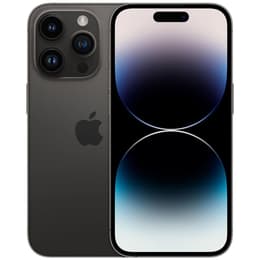
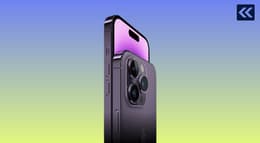
iPhone 14 Pro
iPhone 14 Pro
最安価格

リファービッシュ品の価格:¥73,000

新品との比較:¥149,800

オプションを見る
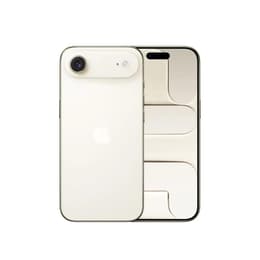
iPhone Air
iPhone Air
最安価格

リファービッシュ品の価格:¥135,500

新品との比較:¥159,800

オプションを見る

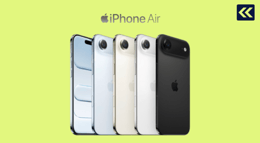
The iPhone 14 Pro, released in September 2022, and the iPhone Air, introduced in September 2025, represent different generations within Apple's smartphone lineup. While both devices operate on Apple's iOS platform, the iPhone Air distinguishes itself with a focus on a remarkably thin and light design, alongside advancements in display technology and a refined camera system. The iPhone 14 Pro, as a 'Pro' model of its generation, offered a comprehensive camera setup and robust performance for its time.

スコア

耐久性

When considering the practical lifespan of these devices, several factors come into play, including their release dates, software support, and physical durability.

  • Release Timeline: The iPhone 14 Pro was released in September 2022, making it a device from an earlier generation. The iPhone Air, launched in September 2025, benefits from a more recent introduction, placing it three years ahead in Apple's product cycle.
  • Software Longevity: Both iPhones receive regular iOS updates, which are crucial for security and new features. The iPhone Air, being a newer model, is expected to receive software support for a longer duration compared to the iPhone 14 Pro, which launched with iOS 16 and is currently on iOS 26.4. This means the iPhone Air will likely remain compatible with the latest software and applications for an extended period.
  • Physical Durability: The iPhone 14 Pro features a surgical-grade stainless steel frame and Ceramic Shield front cover, offering a robust build. The iPhone Air, while exceptionally thin, utilizes a polished titanium frame, which is noted for being strong and lightweight. It also incorporates Ceramic Shield 2 on the front, offering improved scratch resistance, and Ceramic Shield on the back for enhanced crack resistance. Both models carry an IP68 rating for water and dust resistance, allowing submersion up to 6 meters for 30 minutes.

販売年

2022

2025

最新OSに対応

はい

はい

OS

iOS

iOS

折りたたみ

いいえ

いいえ

パフォーマンス

The performance capabilities of these two iPhones reflect the technological advancements made across different generations, impacting how smoothly they handle daily tasks and demanding applications.

  • Processing Power: The iPhone 14 Pro is equipped with a powerful processor that capably handles multitasking, graphic-intensive games, and demanding applications with smooth responsiveness. The iPhone Air, being a newer device, features a more advanced processor, providing a noticeable increase in speed and efficiency for even more intensive tasks and future-proofing for upcoming software.
  • Multitasking and Responsiveness: Both devices offer a fluid user experience, but the iPhone Air's newer internal architecture and increased memory contribute to enhanced responsiveness, particularly when switching between numerous applications or running complex processes simultaneously.
  • Storage Options: Both the iPhone 14 Pro and iPhone Air offer a range of storage capacities, allowing users to choose based on their needs for apps, photos, videos, and other data.

メモリ (GB)

6 GB

12 GB

スクリーン品質

The visual experience on both devices is delivered through high-quality displays, though the iPhone Air introduces some notable enhancements in brightness and size.

  • Display Technology and Clarity: Both the iPhone 14 Pro and iPhone Air feature Super Retina XDR OLED displays, known for their deep blacks, vibrant colors, and excellent contrast. The iPhone 14 Pro has a 6.1-inch display with a resolution of 2556 x 1179 pixels at 460 pixels per inch. The iPhone Air offers a larger 6.5-inch display with a resolution of 2736 x 1260 pixels at 460 pixels per inch, providing a more expansive viewing area while maintaining sharpness.
  • Brightness and Outdoor Visibility: The iPhone 14 Pro's display reaches a typical maximum brightness of 1000 nits, with a peak of 2000 nits for outdoor use. The iPhone Air elevates this further, achieving a peak brightness of 3000 nits, which significantly improves visibility in bright outdoor conditions.
  • Refresh Rate: Both models incorporate ProMotion technology, offering an adaptive refresh rate that can scale from 1Hz to 120Hz. This ensures smooth scrolling and fluid animations while also conserving battery life when high refresh rates are not needed.

解像度

1179 x 2556

2736x1260

画面の種類

LTPO Super Retina XDR OLED

Super Retina XDR

オーディオビジュアル

The camera systems on the iPhone 14 Pro and iPhone Air offer distinct approaches to mobile photography, catering to different user preferences and needs.

  • Rear Camera System: The iPhone 14 Pro features a versatile triple-camera system, including a 48-megapixel main sensor, a 12-megapixel ultrawide lens, and a 12-megapixel telephoto lens with 3x optical zoom. This setup provides flexibility for various photographic scenarios, from wide landscapes to zoomed-in shots. The iPhone Air, in contrast, opts for a single 48-megapixel Fusion Main camera on the rear, which is capable of 2x optical-quality zoom by leveraging its high-resolution sensor.
  • Photography Performance: The iPhone 14 Pro excels in capturing detailed images across different lighting conditions, with its Photonic Engine enhancing low-light performance. The iPhone Air's single main camera also delivers high-quality images, with its advanced sensor and processing contributing to strong performance in various environments, including low light.
  • Front Camera and Video Capabilities: Both devices offer capable front-facing cameras for selfies and video calls. The iPhone Air introduces an 18-megapixel Center Stage front camera, a feature that intelligently keeps subjects centered during video calls, similar to what is found on some iPad models. Both models support high-quality video recording, with features like Cinematic Mode on the iPhone 14 Pro for depth-of-field effects.

メインカメラ

48 megapixels

48 megapixels

フロントカメラ

12 megapixels

18 megapixels

その他

Beyond core specifications, several practical elements differentiate the user experience between the iPhone 14 Pro and the iPhone Air.

  • Connectivity and Ports: Both devices support 5G cellular connectivity for fast mobile data. The iPhone 14 Pro utilizes Wi-Fi 6 and Bluetooth 5.3, and features a Lightning port for charging and data transfer. The iPhone Air steps up to Wi-Fi 7 and Bluetooth 6.0, and notably transitions to a USB-C port, though it operates at USB 2.0 speeds. The iPhone 14 Pro also introduced Emergency SOS via satellite.
  • Design and Handling: The iPhone 14 Pro has a thickness of 7.85 mm and weighs 206 grams, featuring a stainless steel frame. The iPhone Air is designed to be exceptionally thin and light, measuring just 5.6 mm thick and weighing 165 grams, with a titanium frame. This significant difference in dimensions and weight impacts the in-hand feel and portability.
  • Biometric Security: Both models rely on Face ID for secure facial recognition, enabling convenient unlocking and authentication.

重量

206 g

165 g

画面サイズ(インチ)

6,1

6.5

デュアルSIM

シングルSIM + eSIM

eSIM

SIMカード

SIMフリー

SIMフリー

コネクタ

Lightning

USB-C

The iPhone 14 Pro and iPhone Air cater to slightly different user priorities, reflecting the evolution of smartphone technology over a few generations. The iPhone 14 Pro, from its 2022 release, remains a capable device, praised by users for its robust triple-camera system, including a dedicated telephoto lens, and its solid performance for everyday tasks and more demanding applications. Its stainless steel construction provides a premium feel and good durability. Some users, however, have noted that its battery life, while generally good, can be impacted by heavy usage, and its repairability score was later adjusted due to parts pairing complexities.

The iPhone Air, launched in 2025, is frequently lauded for its groundbreaking thinness and lightweight titanium design, offering a distinct tactile experience. Users appreciate its larger, brighter display and the advancements in its single main camera, particularly the Center Stage feature on the front camera. However, the pursuit of extreme thinness has led to some trade-offs, such as a single rear camera setup compared to the Pro models, and some reports suggest its battery life, while all-day, might not be an endurance leader for very heavy streaming or gaming. Its USB-C port, while a modern convenience, operates at standard USB 2.0 speeds.

Users prioritizing a comprehensive and versatile camera system with optical zoom capabilities and a proven, robust build might find the iPhone 14 Pro well-suited to their needs. Conversely, users who value an exceptionally thin, lightweight device with a larger, brighter display and the latest processing power, even with a streamlined camera setup, may lean toward the iPhone Air. For those seeking an eco-friendly alternative, quality-assured refurbished options for both models can provide a sustainable choice, extending the life of these advanced devices.
すべての記事を見る

最近の比較