
iPad
モデルを比較する
違いを一目で確認
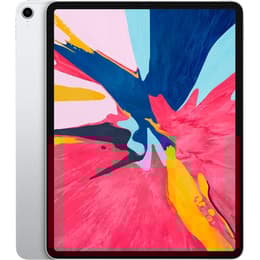
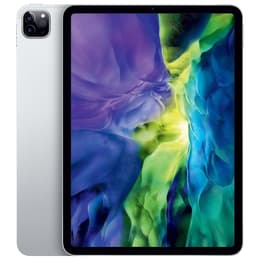
The iPad Pro 2018, released in October 2018, and the iPad Pro 2020, launched in March 2020, represent two generations of Apple's professional-grade tablet line. While both devices offer a premium tablet experience running iPadOS, the 2020 model introduces enhancements primarily in its camera system, including a LiDAR scanner, and features a slightly refined processor. Both models are designed for demanding tasks, creative workflows, and general productivity.
カラー
容量(GB)
When considering the longevity of these devices, several factors come into play, including their release timelines, software support, and overall durability.
販売年
最新OSに対応
OS
最大対応OS
The performance of a tablet is central to its utility, especially for professional users. Both the iPad Pro 2018 and 2020 deliver robust performance, though with some key distinctions in their internal architecture.
CPU
The visual experience on both iPad Pro models is a highlight, featuring advanced display technologies designed for clarity and responsiveness.
解像度
True Tone
ProMotion
画面の種類
ピクセル密度
輝度
スピーカー
While tablets are not typically primary photography devices, the camera systems on both iPad Pro models offer capable performance, with the 2020 model introducing significant advancements.
Beyond core performance and display, several other features contribute to the overall user experience and utility of these iPad Pro models.
重量
幅
身長
深さ
画面サイズ(インチ)
ネットワーク
SIMカード
Wi-Fiテクノロジー
Bluetoothバージョン
Face ID
Touch ID
コネクタ
The iPad Pro 2018 and iPad Pro 2020 both stand as highly capable tablets, each offering a compelling set of features for different user needs. User sentiment often praises the 2018 model for its enduring performance and excellent display, noting that it remains a powerful device for its age. Criticisms for the 2018 model sometimes point to its single camera system and, for some, a noticeable decline in battery life over time.
The iPad Pro 2020, while sharing much of its design and core display technology with its predecessor, is frequently lauded for its enhanced camera capabilities, particularly the addition of the ultrawide lens and the LiDAR scanner, which opens up new possibilities for augmented reality applications. The standardized 6GB of RAM across all configurations and the upgrade to Wi-Fi 6 are also seen as valuable improvements for future-proofing and multitasking. Some reviewers, however, noted that the performance bump over the 2018 model for everyday tasks was not substantial enough to warrant an upgrade for all users.
For users prioritizing core tablet functions, a vibrant display for media consumption, and robust performance for creative tasks like drawing or note-taking, the iPad Pro 2018 remains a strong contender. Its enduring power makes it suitable for those who don't require the very latest camera technology or the absolute peak in graphics performance. Conversely, users who frequently engage with augmented reality applications, require the versatility of an ultrawide camera, or demand the absolute best in graphics processing and future-proof connectivity (Wi-Fi 6) will find the iPad Pro 2020 better suited to their needs. Both models offer a premium tablet experience, and choosing between them often comes down to the specific importance placed on camera advancements and the slight performance edge of the newer model. For those seeking an eco-friendly alternative, quality-assured refurbished options for both devices provide an excellent way to access these powerful tablets.