モデルを比較する

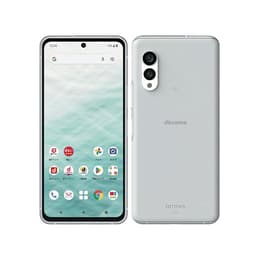
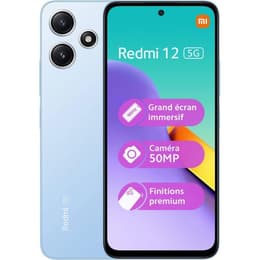
Fujitsu Arrows N F-51C vs Xiaomi Redmi 12 5G

  • 1年間の動作保証
  • 全商品・全国送料無料
  • 30日間は返品可能

違いを一目で確認

The Fujitsu Arrows N F-51C (2022) and the Xiaomi Redmi 12 5G (2023) are modern Android smartphones designed to deliver reliable everyday connectivity and smooth daily performance. While both models cater to users seeking practical features and 5G network compatibility, they approach design, build philosophy, and hardware execution from distinct perspectives. The Fujitsu model emphasizes lightweight ergonomics and eco-conscious construction, whereas the Xiaomi device focuses on expansive screen real estate and media consumption capabilities. Examining their core attributes helps clarify how each device serves different daily routines.

スコア

耐久性

Evaluating the lifespan and durability of these two smartphones reveals differences in build standards and software maintenance timelines that impact long-term usage.

  • Release timeline and software support: The Fujitsu Arrows N F-51C launched in late 2022, while the Xiaomi Redmi 12 5G followed in mid-2023. Both devices receive regular security updates, though manufacturer commitments vary regarding total operating system upgrade cycles.
  • Build durability and environmental resilience: The Fujitsu model features high-grade water resistance and military-standard drop testing certification, making it resilient against accidental drops and moisture. The Xiaomi model relies on dust and splash resistance paired with glass panel construction.
  • Expected practical lifespan: Users can expect solid daily operation from both models over several years, with robust physical protections helping maintain structural integrity during travel and commute routines. Choosing a quality-assured refurbished option provides a sustainable choice that extends device utility while reducing electronic waste.

販売年

2023

2023

OS

Android

Android

折りたたみ

いいえ

いいえ

パフォーマンス

Daily performance and multitasking capabilities vary based on internal hardware choices and memory configurations.

  • Processor capabilities and responsiveness: Both devices handle standard web browsing, social media applications, and messaging smoothly without noticeable stutter. App loading times remain prompt across everyday software use.
  • RAM and multitasking: The Fujitsu device includes ample memory configurations that assist with switching between multiple open applications, while the Xiaomi model offers scalable memory options depending on the chosen variant. Both handle routine background tasks efficiently.
  • Battery behavior and storage: Battery capacities support a full day of standard use under typical conditions, though heavy gaming or continuous media streaming will require an interim charge. Both units accommodate expandable storage via memory cards to keep photos and documents accessible.

スクリーン品質

The viewing experiences differ significantly due to varying display technologies, panel dimensions, and refresh rates.

  • Display technology and clarity: The Fujitsu Arrows N F-51C utilizes an organic light-emitting diode panel known for deep contrast levels and rich color reproduction, whereas the Xiaomi Redmi 12 5G employs a large liquid crystal display focused on spacious viewing.
  • Refresh rate and smoothness: The Fujitsu display supports high refresh rates for fluid scrolling through documents and feeds, while the Xiaomi screen provides a balanced refresh rate suited for comfortable daily reading and navigation.
  • Outdoor visibility: Maximum brightness levels on both screens allow for legible text and media viewing under direct daylight, supported by automated brightness adjustments.

解像度

1080x2400

1080 x 2460

画面の種類

OLED

IPS LCD

オーディオビジュアル

Camera hardware and audio output cater well to casual photography, video calls, and media playback.

  • Main camera performance: Both smartphones feature primary high-resolution sensors that capture sharp daylight photos with natural colors and adequate detail. Low-light performance relies on automated processing modes to reduce noise in dimly lit environments.
  • Video recording: Video capture functions smoothly for casual memories, supported by electronic stabilization features to minimize hand shake during recording.
  • Audio and media consumption: Built-in speakers deliver clear sound for hands-free calls and short video clips, while headphone connectivity and wireless audio codecs support external listening gear.

その他

Practical daily usability is shaped by physical dimensions, weight distribution, and connectivity features.

  • Physical dimensions and handling: The Fujitsu model prioritizes a lighter, more compact form factor that rests comfortably in smaller hands. The Xiaomi model offers a wider, heavier chassis designed to maximize viewing area.
  • Connectivity and sensors: Both devices include rapid 5G network compatibility, modern Bluetooth standards, and secure biometric authentication options like facial recognition and fingerprint scanners.
  • Build materials: The Fujitsu body incorporates recycled elements within its structural frame, while the Xiaomi option emphasizes a polished glass rear finish.

重量

171 g

198 g

画面サイズ(インチ)

6.24

6,79

ネットワーク

5G

5G

デュアルSIM

シングルSIM + eSIM

デュアルSIM

SIMカード

SIMフリー

SIMフリー

コミュニティの評価

User discussions and community feedback indicate that both smartphones serve distinct everyday requirements effectively. Owners of the Fujitsu Arrows N F-51C frequently praise its lightweight handling, compact dimensions, and robust waterproof build, though some note that battery stamina can deplete faster under heavy processing loads. Conversely, users of the Xiaomi Redmi 12 5G appreciate the expansive screen estate and reliable battery capacity, while occasionally mentioning that the larger physical footprint feels heavier during extended single-handed use.

Users prioritizing a more compact physical profile, water resistance, and high-contrast display technology may prefer the Fujitsu device. Meanwhile, users prioritizing a larger screen for media viewing and extended battery endurance will likely lean toward the Xiaomi model. Exploring a quality-assured refurbished option for either device offers an eco-friendly alternative that supports sustainable technology consumption without compromising on functional performance. Ultimately, selecting the right model depends on which physical format and daily usage patterns align best with individual routines.
すべての記事を見る