違いを一目で確認
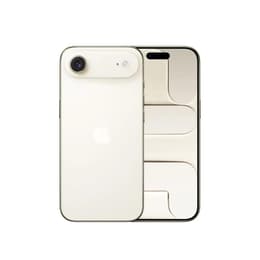
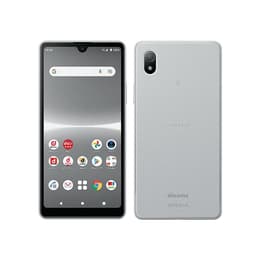
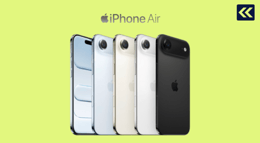
The iPhone Air (2025) and the Sony Xperia Ace III (2022) represent entirely different approaches to modern smartphone design, targeting distinct user groups with varied preferences for size, capability, and operating systems. While the iPhone Air focuses on an ultra-slim profile and advanced processing power running iOS, the Xperia Ace III offers a compact, pocket-friendly Android experience built for everyday simplicity. These fundamental differences in hardware design and software ecosystems define how each device fits into daily routines.
購入可能なモデル
カラー
容量 (GB)
スコア
耐久性
Both devices offer differing long-term outlooks based on their release timelines, software maintenance schedules, and hardware construction quality.
- Software Support: The iPhone Air benefits from Apple's extended update schedule, ensuring multi-year operating system upgrades, whereas the Xperia Ace III operates on an older Android release cycle with more limited future updates.
- Build Durability: The iPhone Air utilizes advanced reinforced glass and titanium materials designed for modern wear, while the Xperia Ace III features a durable plastic body paired with scratch-resistant display glass suited for daily handling.
- Expected Lifespan: Users can expect prolonged operational longevity from the iPhone Air due to its high-performance headroom, whereas the Xperia Ace III serves well for standard, light communication tasks over a shorter intended window.
販売年
2025
2022
OS
iOS
Android
折りたたみ
いいえ
いいえ
パフォーマンス
Processing capabilities and multitasking behaviors vary significantly, reflecting the generation gap and hardware tier of each smartphone.
- System Responsiveness: The iPhone Air handles demanding applications, high-end mobile gaming, and intensive multitasking with immediate fluidity, while the Xperia Ace III manages basic tasks like web browsing and messaging reliably with standard loading times.
- Multitasking Capacity: Generous memory allocation on the iPhone Air ensures seamless background app switching, whereas the Xperia Ace III's lighter memory configuration is optimized for single-task usage and straightforward applications.
- Battery Behavior: The Xperia Ace III benefits from a modest screen and efficient processor to preserve power during light use, while the slim profile of the iPhone Air balances daily power demands through advanced system-level energy management.
スクリーン品質
Display technologies differ substantially in size, visual clarity, and responsiveness, directly impacting media consumption and outdoor usability.
- Display Technology: The iPhone Air features a vibrant OLED screen with deep contrast and rich colors, whereas the Xperia Ace III relies on a standard HD+ display tailored for basic text and media clarity.
- Refresh Rate and Smoothness: High refresh rate support on the iPhone Air provides fluid scrolling and animation transitions, while the Xperia Ace III maintains a standard refresh rate suited for conventional viewing.
- Outdoor Visibility: High peak brightness levels on the iPhone Air allow for clear readability under direct sunlight, while the Xperia Ace III performs adequately under moderate ambient lighting conditions.
解像度
2736x1260
720 x 1496
オーディオビジュアル
Optics and multimedia configurations cater to different expectations for photography, video recording, and audio output.
- Camera System: The iPhone Air is equipped with a versatile high-resolution single rear camera system supported by advanced computational photography, whereas the Xperia Ace III provides a straightforward rear camera suitable for casual snapshots.
- Video and Low Light: Advanced stabilization and low-light processing on the iPhone Air yield sharp video footage in challenging environments, while the Xperia Ace III handles basic video calls and daytime recording adequately.
- Media and Audio: The iPhone Air delivers a balanced stereo speaker experience for media playback, while the Xperia Ace III focuses on practical audio output including standard headphone connectivity depending on regional variants.
その他
Physical dimensions, weight, and connectivity options dictate how comfortably each phone integrates into a traveler's or professional's daily gear.
- Handling and Form Factor: The iPhone Air stands out for its exceptionally thin profile and light titanium build, whereas the Xperia Ace III offers a traditional, narrow, and highly compact body that fits comfortably into smaller pockets.
- Connectivity Standards: Modern wireless standards including advanced cellular and local networking capabilities come standard on the iPhone Air, while the Xperia Ace III provides reliable 4G and 5G connectivity for essential online tasks.
- Security and Authentication: The iPhone Air uses advanced facial recognition technology for secure unlocking, while the Xperia Ace III incorporates a side-mounted physical fingerprint sensor for quick access.
重量
165 g
162 g
画面サイズ(インチ)
6.5
5.5
ネットワーク
5G
5G
デュアルSIM
eSIM
シングルSIM
SIMカード
SIMフリー
SIMフリー
コネクタ
USB-C
USB-C
コミュニティの評価
Choosing between these two smartphones depends heavily on individual daily priorities and workflow expectations. Users who prioritize a large, vibrant display, high-end processing power for heavy multitasking, and an ultra-slim modern build will find the iPhone Air well-suited to their needs. Conversely, users who prefer a compact, pocket-friendly device dedicated to simple communication, calls, and basic apps will lean toward the Xperia Ace III. For consumers looking to make a sustainable choice, exploring a quality-assured refurbished option provides a practical way to acquire these devices while reducing electronic waste. Ultimately, weighing software preferences, physical dimensions, and performance requirements will guide the decision-making process toward the most appropriate device.