違いを一目で確認
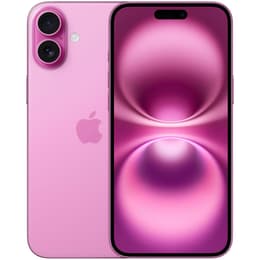
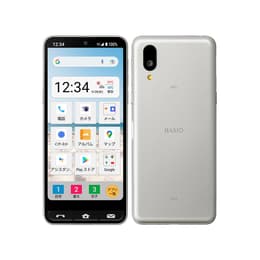
The iPhone 16 Plus (2024) and the Sharp Basio active (2022) represent distinct approaches to smartphone design, catering to very different user preferences and operating systems. While the iPhone 16 Plus functions as a high-end, large-screen device running iOS with advanced multimedia capabilities, the Sharp Basio active is a compact Android smartphone tailored toward simplicity, straightforward communication, and ease of handling. These fundamental differences in software ecosystems and hardware capabilities define their respective places in the mobile market.
購入可能なモデル
カラー
容量 (GB)
スコア
耐久性
Longevity expectations vary significantly between these two models due to their release timelines and manufacturer support structures.
- Software support duration: The iPhone 16 Plus benefits from Apple's extended update lifecycle, offering major system upgrades and security patches for many years. The Sharp Basio active operates on an earlier release schedule with a more limited remaining window for official software updates.
- Repairability and durability: Both devices feature robust build qualities designed to withstand daily wear, though individual repair pathways depend on regional service availability and parts accessibility.
- Expected practical lifespan: Users can expect prolonged system responsiveness and long-term viability from the iPhone 16 Plus, whereas the Sharp Basio active suits shorter, straightforward upgrade cycles focused on essential communication needs.
販売年
2024
2022
折りたたみ
いいえ
いいえ
パフォーマンス
Processing capabilities and daily user experiences differ substantially, reflecting the target audiences of each device.
- Everyday system responsiveness: The iPhone 16 Plus handles demanding applications, high-end mobile gaming, and intensive multitasking smoothly thanks to its current-generation processor and ample memory configuration. The Sharp Basio active manages basic daily tasks like messaging, web browsing, and calling reliably with its mid-range processor configuration.
- Storage capacity: The iPhone 16 Plus provides multiple tier options starting at higher baseline capacities, while the Sharp Basio active offers modest internal storage paired with expandable storage support via a memory card slot.
- Battery behavior: Both devices are optimized to manage daily power demands efficiently, though the iPhone 16 Plus supports extensive media playback and heavy usage sessions without requiring frequent recharges.
スクリーン品質
Display configurations cater to contrasting viewing preferences, balancing screen estate against physical dimensions.
- Display technology: The iPhone 16 Plus features a vibrant OLED display with deep contrast levels and rich color accuracy, while the Sharp Basio active utilizes an IPS liquid crystal display focused on clear legibility for text and icons.
- Outdoor visibility and brightness: The iPhone 16 Plus reaches high peak brightness levels for clear visibility under direct sunlight, whereas the Sharp Basio active prioritizes comfortable, glare-reduced indoor and moderate outdoor viewing.
- Size and viewing space: The iPhone 16 Plus offers a sprawling 6.7-inch viewing area well-suited for watching videos and reading, while the Sharp Basio active utilizes a more compact form factor that makes single-handed navigation easier.
解像度
1290 x 2796
720x1520
画面の種類
Super Retina XDR OLED
TFT
オーディオビジュアル
Multimedia and imaging hardware reflect the distinct design priorities of each smartphone.
- Camera system capabilities: The iPhone 16 Plus incorporates a versatile dual-lens array featuring a high-resolution main sensor and an ultra-wide option, supported by advanced computational photography for varied lighting conditions. The Sharp Basio active equips a simpler main camera arrangement designed for straightforward point-and-shoot snapshot capture.
- Video recording: The iPhone 16 Plus supports high-resolution video capture with advanced stabilization and audio enhancement features, whereas the Sharp Basio active handles standard definition everyday video recording needs.
- Audio output: Media consumption on the iPhone 16 Plus benefits from robust stereo speakers providing wide sound staging, while the Sharp Basio active focuses on clear voice reproduction for phone calls and notifications.
その他
Practical physical characteristics and connectivity options shape how each device fits into everyday routines.
- Connectivity standards: Both devices support modern mobile networks and wireless accessories, though the iPhone 16 Plus includes updated communication standards for faster data transmission.
- Physical dimensions and weight: The iPhone 16 Plus presents a larger, thinner profile weighing around 199 grams, while the Sharp Basio active features a narrower, thicker body weighing approximately 174 grams for a distinct grip feel.
- Build materials and protection: Both models incorporate water and dust resistance ratings to protect against accidental spills and environmental exposure during daily transit.
重量
199 g
174 g
画面サイズ(インチ)
6.7
5.7
ネットワーク
5G
5G
デュアルSIM
シングルSIM + eSIM
シングルSIM
SIMカード
SIMフリー
SIMフリー
コミュニティの評価
User discussions and community feedback indicate that buyers appreciate the iPhone 16 Plus for its expansive screen space, robust processing power, and long-lasting software support. Common considerations involve its larger physical footprint, which requires two-handed use for many tasks. On the other hand, users frequently praise the Sharp Basio active for its comfortable handling, simplified menu structure, and physical layout designed to reduce complexity. Some community observations note that its processing and display hardware are less suited for heavy gaming or multimedia creation.
Users prioritizing high performance, advanced photography, and a large viewing area will find the iPhone 16 Plus well-suited to their needs. Conversely, users seeking a straightforward, compact device for essential communication and easy handling may lean toward the Sharp Basio active. For those exploring sustainable alternatives, choosing a quality-assured refurbished option provides an eco-friendly way to acquire modern technology without compromising on reliability. Ultimately, the choice depends on matching device capabilities with individual daily usage habits.