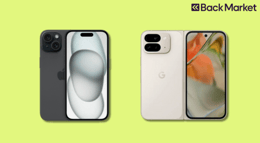
違いを一目で確認
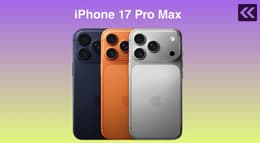
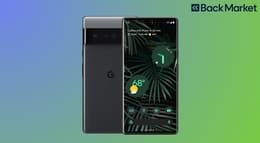
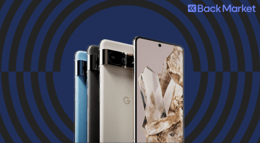
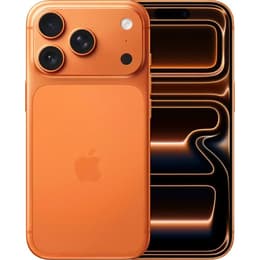
The Google Pixel 8 Pro (2023) and the iPhone 17 Pro (2025) are high-end smartphones representing different generations and mobile ecosystems. While both devices deliver robust everyday functionality and sophisticated design, they differ significantly in their launch timing, operating systems, and interface philosophies. Users weighing these options will find distinct approaches to hardware capabilities and software features.
購入可能なモデル
カラー
容量 (GB)
スコア
耐久性
Both smartphones are built to remain functional for years, though their release schedules and software update frameworks differ significantly.
- Software Support Window: The Google Pixel 8 Pro receives extended manufacturer software updates spanning seven years from its release, whereas the iPhone 17 Pro follows a standard multi-year iOS lifecycle typical of Apple devices.
- Repairability and Build Longevity: Both manufacturers provide structured repair programs, though component availability and structural design influence how easily devices can be serviced over time.
- Expected Practical Lifespan: Thanks to robust internal hardware, both models maintain long-term viability, making quality-assured refurbished options an eco-friendly alternative for conscious consumers.
販売年
2023
2025
最新OSに対応
はい
はい
折りたたみ
いいえ
いいえ
パフォーマンス
System responsiveness and daily multitasking capabilities are handled through distinct hardware architectures tailored to each operating system.
- Storage Configurations: Both devices offer multiple tiered internal storage capacities to accommodate varying media and application demands without expandable card slots.
- Everyday Responsiveness: Both models handle intensive applications, rapid app switching, and demanding mobile games smoothly, though thermal management under prolonged loads varies by design.
- Multitasking Handling: Generous random access memory allocations ensure that background tasks remain active without sudden reloads during heavy workflows.
スクリーン品質
Viewing experiences differ through unique panel technologies designed to optimize outdoor visibility and visual clarity.
- Display Technology: Both devices utilize advanced OLED panels that deliver deep contrast levels, rich color reproduction, and sharp text rendering.
- Refresh Rate and Smoothness: Adaptive refresh rates scaling up to high frequencies ensure fluid scrolling and responsive touch tracking during navigation and gaming.
- Outdoor Brightness: High peak luminance thresholds on both screens ensure content remains legible under direct sunlight conditions.
解像度
1344 x 2992
2622x1206
画面の種類
LTPO OLED
Super Retina XDR
オーディオビジュアル
Optics and media capture are approached through distinct sensor arrays and computational processing pipelines.
- Camera Array Versatility: Both models feature multi-lens rear setups combining primary wide-angle, ultra-wide, and telephoto modules to cover diverse framing perspectives.
- Low-Light and Video Capture: Advanced image processing enables detailed low-light photography and stable video recording with professional-grade format options.
- Audio and Media Output: Stereo speaker configurations deliver balanced sound reproduction for media playback, accompanied by clear microphone arrays for calls.
メインカメラ
50 megapixels
48 megapixels
フロントカメラ
10.5 megapixels
18 megapixels
その他
Physical dimensions and connectivity standards shape how each device fits into daily routines and accessory ecosystems.
- Connectivity and Ports: Both smartphones support fast wireless standards alongside modern cellular networks, utilizing standard reversible charging ports for power delivery.
- Biometric Authentication: Secure unlocking methods rely on facial recognition systems or fingerprint sensors integrated directly into the hardware design.
- Physical Dimensions: Form factors vary slightly in weight and footprint, influencing one-handed usability and pocket comfort during travel.
重量
213 g
206 g
画面サイズ(インチ)
6.7
6.3
ネットワーク
5G
5G
デュアルSIM
シングルSIM + eSIM
eSIM
SIMカード
SIMフリー
SIMフリー
コネクタ
USB-C
USB-C
コミュニティの評価
User feedback from online communities highlights distinct preferences for each device. Owners of the Google Pixel 8 Pro frequently praise its intuitive software integrations, clean interface layout, and versatile photo editing capabilities. At the same time, users often note that processor efficiency under extreme sustained gaming loads trails behind newer silicon benchmarks. Conversely, iPhone 17 Pro users frequently commend its rapid system speed, robust build materials, and long battery endurance during heavy usage, while occasionally citing limitations tied to closed file-sharing ecosystems.
Users prioritizing deep customization, extensive long-term software commitments, and advanced cloud-assisted photography may prefer the Google Pixel 8 Pro. Meanwhile, users focusing on elite mobile gaming performance, streamlined ecosystem syncing, and high-end video recording capabilities will find the iPhone 17 Pro well-suited to their needs. For buyers seeking a sustainable choice, exploring a quality-assured refurbished option provides a reliable path to owning either device while minimizing environmental impact.