違いを一目で確認
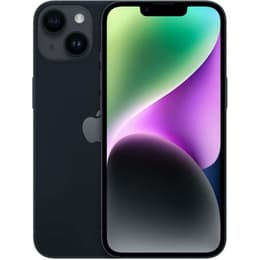
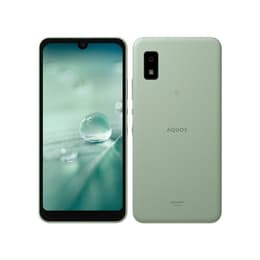
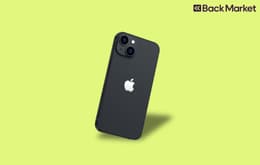
The iPhone 14 (2022) and the AQUOS wish (2021) represent two distinct approaches to smartphone design, catering to very different user preferences and operational ecosystems. While the iPhone 14 functions as a globally recognized iOS flagship offering balanced performance and premium build materials, the AQUOS wish is a compact, entry-level Android device tailored for simplicity and everyday utility. These models differ significantly in their operating systems, target audiences, and hardware capabilities, making them suited for entirely separate user lifestyles.
購入可能なモデル
カラー
容量 (GB)
スコア
耐久性
Both devices offer differing long-term support timelines and software update frequencies influenced by their respective release years and platform ecosystems.
- Software Longevity: The iPhone 14 benefits from extended iOS software update support, ensuring multi-year security patches and feature upgrades, whereas the AQUOS wish follows a more standard entry-level Android update schedule.
- Build Integrity: Both models utilize robust construction methods designed for daily wear, with the iPhone 14 incorporating structured front glass protection and the AQUOS wish featuring a resilient body shell.
- Expected Lifespan: Users can anticipate a reliable multi-year operational window from both handsets, though hardware headroom allows the iPhone 14 to handle evolving software demands over a longer duration.
OS
iOS
Android
パフォーマンス
System responsiveness and everyday multitasking capabilities vary between the two devices based on their internal hardware configurations and storage options.
- System Responsiveness: The iPhone 14 handles demanding applications, high-end mobile gaming, and intensive multitasking smoothly, while the AQUOS wish is optimized for standard daily tasks such as web browsing, messaging, and light app usage.
- Storage Configurations: Multiple internal storage capacities are available on the iPhone 14 to accommodate large media libraries, whereas the AQUOS wish provides a streamlined single storage tier suited for essential files.
- Battery Behavior: Battery consumption scales differently depending on workload, with the iPhone 14 sustaining heavy daily use and the AQUOS wish managing moderate daily routines efficiently on its smaller cell.
スクリーン品質
Display technologies differ notably, impacting media consumption, visual clarity, and outdoor readability for each smartphone.
- Display Technology: The iPhone 14 utilizes an OLED panel delivering deep blacks and vibrant colors, while the AQUOS wish employs an LCD screen geared toward clear, natural text rendering.
- Outdoor Brightness: Maximum brightness levels on the iPhone 14 allow for comfortable viewing under direct sunlight, whereas the AQUOS wish performs adequately under standard lighting conditions.
- Viewing Experience: Screen sizes and resolutions vary, with the iPhone 14 offering a larger, high-resolution canvas for video playback and the AQUOS wish providing a compact viewing area designed for single-handed navigation.
解像度
1170 x 2532
1520x720
オーディオビジュアル
Camera system setups and multimedia output cater to different photography styles and audio playback expectations.
- Camera Capabilities: The iPhone 14 features a dual-lens rear camera system with advanced computational photography for low-light environments, while the AQUOS wish uses a single rear sensor focused on straightforward point-and-shoot snapshots.
- Video Recording: High-resolution video capture on the iPhone 14 includes stabilization features, compared to basic recording capabilities on the AQUOS wish.
- Audio Output: Built-in speaker systems on both devices deliver clear sound for hands-free calls and casual media streaming, with distinct acoustic profiles suited for everyday listening.
その他
Practical daily features such as connectivity standards, physical dimensions, and security sensors shape the handling experience of each device.
- Connectivity & Ports: Both models support modern network standards, utilizing proprietary or standard connector ports for charging and data transfer.
- Security Sensors: Biometric authentication differs through Apple's facial recognition system on the iPhone 14 versus fingerprint sensing integration on the AQUOS wish.
- Handling & Dimensions: Weight and physical footprint vary, with the iPhone 14 offering a standard balanced feel in hand, and the AQUOS wish presenting an exceptionally lightweight, compact form factor.
重量
172 g
1 g
画面サイズ(インチ)
6,1
5.7
ネットワーク
5G
5G
デュアルSIM
シングルSIM + eSIM
シングルSIM
SIMカード
SIMフリー
SIMフリー
コミュニティの評価
User feedback from online communities highlights distinct advantages for each model depending on individual preferences. Users frequently praise the iPhone 14 for its robust processing power, reliable camera system, and long-term software support. Conversely, owners of the AQUOS wish often highlight its lightweight build, simple interface, and comfortable handling for basic communication tasks. At the same time, some users note that the AQUOS wish can feel limited during heavy multitasking, while others mention that the iPhone 14 carries a larger physical footprint.
Users prioritizing high-end performance, photography versatility, and extended software updates will find the iPhone 14 well-suited to their needs, while users looking for a lightweight, straightforward device for essential daily tasks may prefer the AQUOS wish. For those exploring sustainable purchasing alternatives, selecting a quality-assured refurbished option provides an eco-friendly way to acquire either model without compromising on performance or reliability.