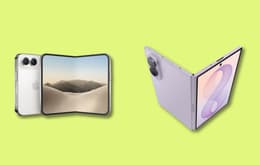
違いを一目で確認
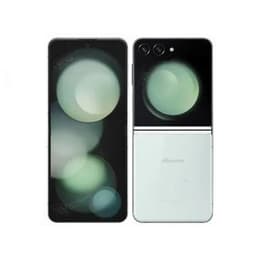
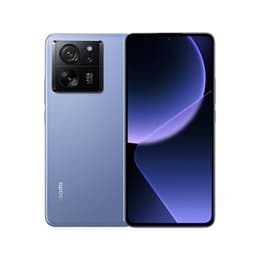
The Samsung Galaxy Z Flip5 (2023) and the Xiaomi 13T (2023) are two distinct smartphones launched in the latter half of 2023, catering to vastly different design preferences and everyday use cases. While the Galaxy Z Flip5 introduces a compact, folding clamshell form factor with dual screens, the Xiaomi 13T adopts a traditional slate design focused on multimedia performance and photographic versatility. Both devices run on the Android operating system with custom interfaces, yet they approach hardware integration from entirely separate angles. Choosing between them depends largely on whether pocket-friendly portability or traditional candy-bar utility takes priority.
購入可能なモデル
カラー
容量 (GB)
スコア
耐久性
Both smartphones launched in 2023 and receive modern software updates, though their expected physical lifespans differ due to their mechanical designs.
- Software Support: Both models benefit from multi-year operating system and security update commitments, ensuring up-to-date software environments for years following their release.
- Physical Durability: The Xiaomi 13T relies on a standard glass-and-frame construction with water and dust resistance, whereas the Galaxy Z Flip5 incorporates a folding screen hinge mechanism that requires careful handling over extended periods.
- Expected Lifespan: Traditional slate devices like the Xiaomi 13T typically maintain structural integrity longer under heavy daily use, while the Galaxy Z Flip5 offers unique portability at the expense of moving parts.
販売年
2023
2023
最新OSに対応
はい
はい
OS
Android
Android
折りたたみ
はい
いいえ
パフォーマンス
The Galaxy Z Flip5 and Xiaomi 13T handle everyday applications, multitasking, and mobile gaming smoothly through their respective current-generation hardware configurations.
- System Responsiveness: Both devices load demanding apps quickly and switch between multiple background tasks without stuttering, supported by ample memory configurations and efficient processors.
- Battery Behavior: The Xiaomi 13T features a larger battery capacity that easily sustains a full day of mixed usage, while the Galaxy Z Flip5's compact frame houses a smaller cell that may require a top-up during heavy workdays.
- Storage Options: Both models provide generous internal storage tiers starting at 256GB, accommodating extensive photo libraries and large document collections locally without expansion slots.
スクリーン品質
Display technology represents one of the most prominent distinctions between these two models, affecting outdoor visibility and media consumption.
- Display Technology: The Galaxy Z Flip5 uses a flexible folding OLED main panel alongside an external cover screen for quick notifications, while the Xiaomi 13T features a flat, rigid AMOLED display with a high refresh rate for exceptionally smooth scrolling.
- Brightness and Clarity: Both screens deliver sharp resolutions, deep contrast levels, and sufficient outdoor peak brightness to remain legible under direct sunlight.
- Viewing Experience: Users watching videos or browsing content will notice the Xiaomi 13T's uninterrupted flat canvas, whereas the Galaxy Z Flip5 provides a folding mechanism that creates a subtle center crease along the flexible display.
解像度
1080x2640
1220 x 2712
画面の種類
Foldable Dynamic AMOLED 2X
AMOLED
オーディオビジュアル
Imaging capabilities and media output vary significantly based on the lens configurations and acoustic setups integrated into each chassis.
- Camera Systems: The Xiaomi 13T equips a versatile triple-lens setup including a dedicated telephoto lens for optical zoom, whereas the Galaxy Z Flip5 utilizes a dual-lens primary and ultra-wide arrangement that leverages its folding angles for hands-free tripod shots.
- Low-Light and Video: Both phones capture clear details and stable footage in challenging lighting conditions, though processing signatures differ between the manufacturers.
- Audio and Output: Built-in stereo speakers on both models deliver clear sound for hands-free calls and casual media viewing, though neither includes a traditional headphone jack.
メインカメラ
12 megapixels
50 megapixels
フロントカメラ
10 megapixels
20 megapixels
その他
Practical daily usability elements such as connectivity, physical dimensions, and security sensors shape the overall handling experience.
- Connectivity and Ports: Both models support 5G networks, modern Wi-Fi standards, and Bluetooth connections, utilizing reversible USB Type-C ports for charging and data transfer.
- Handling and Dimensions: The Galaxy Z Flip5 folds in half to occupy minimal pocket space, while the Xiaomi 13T presents a standard slim profile that feels familiar in one hand.
- Security Sensors: The Xiaomi 13T integrates an optical fingerprint reader beneath the display, whereas the Galaxy Z Flip5 places its fingerprint sensor on the side power button alongside facial recognition options.
重量
187 g
200 g
画面サイズ(インチ)
6.7
6.67
ネットワーク
5G
5G
デュアルSIM
シングルSIM + eSIM
デュアルSIM
SIMカード
SIMフリー
SIMフリー
コミュニティの評価
Users prioritizing pocket portability, a unique folding design, and a functional external cover screen for quick checks will find the Galaxy Z Flip5 well-suited to their daily routines. Conversely, users prioritizing a traditional slate layout, a larger uninterrupted display, longer battery endurance, and dedicated zoom photography will lean toward the Xiaomi 13T. Real-world user feedback often praises the Z Flip5 for its clever form factor and space-saving design, while highlighting occasional battery anxiety under heavy use. For the Xiaomi 13T, owners frequently note the smooth display performance and reliable battery longevity, though some mention the larger physical footprint compared to compact foldables. For those considering an eco-friendly alternative, exploring a quality-assured refurbished option provides a sustainable way to acquire either device without compromising on performance or reliability. Ultimately, the choice depends entirely on whether a flexible folding experience or a traditional multimedia powerhouse better matches individual lifestyle needs.