
違いを一目で確認
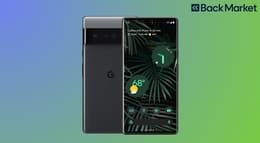
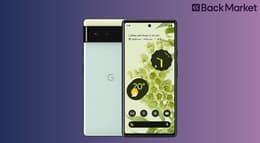
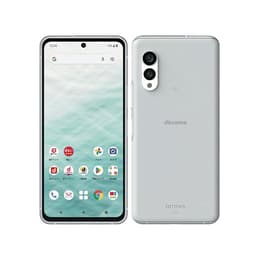
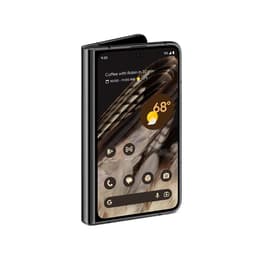
The Fujitsu Arrows N F-51C (2022) and the Google Pixel Fold (2023) represent two fundamentally different approaches to smartphone design, contrasting a standard bar-style eco-focused device with an expansive foldable screen configuration. While both run on the Android operating system, they cater to distinct device types and user preferences.
Choosing between them involves weighing a traditional, lightweight form factor against a dual-screen multitasking layout.
購入可能なモデル
カラー
容量 (GB)
スコア
耐久性
When evaluating structural longevity and software support, both smartphones offer robust update schedules though they approach physical durability through different construction choices.
- Software update timeline: Both models provide multi-year operating system and security patch commitments, helping ensure long-term usability and feature updates.
- Build and resilience: The Fujitsu model emphasizes recycled components alongside military-grade drop resistance, whereas the Google device utilizes a specialized folding hinge mechanism engineered for repeated physical transformation.
- Practical lifespan: Daily wear behavior depends heavily on handling style, with conventional bar designs generally showing higher resistance to mechanical stress over extended years of use.
販売年
2023
2023
OS
Android
Android
折りたたみ
いいえ
はい
パフォーマンス
System responsiveness and day-to-day operation vary based on internal hardware configuration and memory capacity allocated for multitasking.
- App loading and multitasking: Both devices handle standard web browsing, messaging, and streaming smoothly, though the Google device includes higher RAM headroom for maintaining intensive background processes.
- Storage capacity: The Fujitsu model provides fixed internal storage paired with expandable card slots, while the Google alternative offers higher built-in tiers without external expansion options.
- Battery behavior: Typical usage patterns reveal that heavy media consumption on larger display configurations demands more frequent recharging cycles compared to conventional single-screen setups.
スクリーン品質
Display architecture constitutes one of the most significant distinctions between these two options, influencing viewing comfort and media interaction.
- Display technology: The Fujitsu model features a traditional, flat high-refresh-rate organic panel, whereas the Google device deploys a dual-screen setup consisting of an outer cover display and a tablet-sized inner foldable screen.
- Brightness and outdoor visibility: Both configurations incorporate high peak brightness levels to maintain legibility under direct sunlight, though large foldable panels require careful handling of ambient reflections.
- Visual workspace: Users transitioning between apps benefit from the expansive inner canvas of the foldable device, while the standard bar layout provides a familiar, pocket-friendly single-handed viewing area.
解像度
1080x2400
1840 x 2208
画面の種類
OLED
Foldable OLED
オーディオビジュアル
Imaging hardware and media output capabilities reflect distinct design priorities tailored to photography and everyday audio-visual reproduction.
- Camera versatility: The Google device incorporates a multi-lens rear array paired with dedicated telephoto capabilities, while the Fujitsu smartphone relies on a streamlined dual-camera system focused on core everyday snapshots.
- Low-light performance: Computational photography processing handles challenging lighting conditions effectively across both models, yielding clear details in evening environments.
- Media playback: Audio output differs through speaker placement and acoustic staging, with the wider foldable body providing an immersive sound profile during horizontal video playback.
その他
Physical dimensions, connectivity standards, and daily ergonomics define how each device integrates into practical routines.
- Handling and weight: The Fujitsu model maintains a lightweight, slim bar profile designed for comfortable single-handed operation, whereas the Google device carries a heavier footprint due to its mechanical hinge and secondary display assembly.
- Connectivity options: Both smartphones support modern fifth-generation cellular networks, rapid wireless data transfer standards, and near-field communication for digital payments.
- Security authentication: Biometric verification is handled via integrated fingerprint sensors embedded within the physical power keys for straightforward accessibility.
重量
171 g
283 g
画面サイズ(インチ)
6.24
7.6
ネットワーク
5G
5G
デュアルSIM
シングルSIM + eSIM
シングルSIM + eSIM
SIMカード
SIMフリー
SIMフリー
コミュニティの評価
User feedback highlights distinct preferences for each device depending on daily workflow requirements. Owners of the Fujitsu model frequently praise its lightweight handling, comfortable grip, and eco-conscious construction, though some note that processing limits surface during demanding gaming sessions. Conversely, users of the Google device appreciate the expansive multitasking workspace and flexible viewing modes enabled by the folding screen, while noting the heavier physical weight and visible crease as common trade-offs.
Users prioritizing a traditional, lightweight, and pocket-friendly daily phone will find the Fujitsu Arrows N F-51C well-suited to their needs. Meanwhile, users prioritizing maximum screen workspace for productivity, reading, and split-screen apps may lean toward the Google Pixel Fold. For those exploring sustainable hardware choices, a quality-assured refurbished option provides a reliable path to acquiring these devices while reducing environmental impact.