モデルを比較する

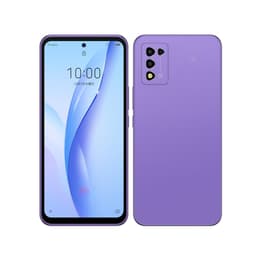
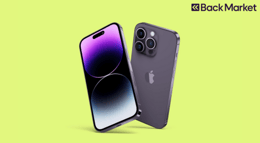
iPhone 14 Pro vs Zte Libero 5G III

  • 1年間の動作保証
  • 全商品・全国送料無料
  • 30日間は返品可能
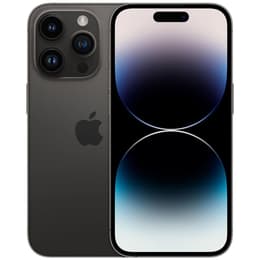
iPhone 14 Pro
最安価格

リファービッシュ品の価格:¥74,050

新品との比較:¥149,800

オプションを見る

違いを一目で確認

The Apple iPhone 14 Pro (2022) and the ZTE Libero 5G III (2022) are smartphones released during the same period that cater to entirely different user groups and capability tiers. While both devices support modern mobile connectivity, they diverge significantly in operating systems, processing power, and hardware positioning, with the iPhone operating on iOS and the ZTE running on Android.

Choosing between these two models depends heavily on individual expectations regarding everyday execution, software ecosystem preference, and hardware refinement.

購入可能なモデル

カラー

容量 (GB)

スコア

耐久性

Both devices launched in late 2022, but they offer distinct long-term outlooks based on their initial hardware tiering and support frameworks.

  • Software longevity: The iPhone 14 Pro benefits from extended operating system upgrades and security patches over many years, whereas the ZTE Libero 5G III provides a more standard update cycle typical of everyday regional devices.
  • Build and repairability: The iPhone 14 Pro utilizes structured glass and stainless steel materials designed for durability, while both handsets maintain standard water and dust resistance ratings suitable for everyday accidental exposure.
  • Expected practical lifespan: The higher processing headroom of the iPhone supports long-term operational relevance, while the ZTE model fulfills shorter-term or foundational communication requirements effectively.

販売年

2022

2022

OS

iOS

Android

折りたたみ

いいえ

いいえ

パフォーマンス

System responsiveness and storage configurations vary considerably, shaping how each device handles daily tasks and demanding software.

  • Multitasking and storage: The iPhone 14 Pro offers wide storage tiers and high-bandwidth memory management, whereas the ZTE Libero 5G III provides a foundational memory setup paired with expandable storage via a memory card slot.
  • Everyday execution: The iPhone handles complex applications, high-end mobile gaming, and intensive multitasking smoothly, while the ZTE model is optimized for web browsing, messaging, and lighter utility tasks.
  • Battery behavior: Both devices manage daily energy consumption differently, with the iPhone adapting to intensive usage patterns through efficient power management, while the ZTE provides reliable daily power for moderate communication needs.

スクリーン品質

Display characteristics shape visual clarity, outdoor usability, and overall media consumption comfort on both smartphones.

  • Display technology: Both models feature vibrant OLED panels that deliver deep contrast levels and rich colors, though the iPhone integrates advanced adaptive refresh rate technology for smoother motion.
  • Outdoor visibility: The iPhone 14 Pro reaches high peak brightness levels for clear visibility under direct sunlight, while the ZTE Libero 5G III offers standard indoor and outdoor illumination suitable for reading text and viewing media.
  • Viewing experience: The iPhone features a compact 6.1-inch form factor with slim borders, whereas the ZTE Libero 5G III provides a slightly larger 6.67-inch screen real estate for media viewing.

解像度

1179 x 2556

1080x2400

画面の種類

LTPO Super Retina XDR OLED

OLED

オーディオビジュアル

Optics and multimedia capabilities differ markedly, reflecting the distinct market tier of each smartphone.

  • Camera systems: The iPhone 14 Pro equips a versatile multi-lens setup including high-resolution primary sensors and telephoto capabilities, while the ZTE Libero 5G III focuses on a simpler primary and macro lens arrangement for basic snapshots.
  • Low-light performance: The iPhone processes challenging lighting conditions effectively through advanced computational photography, whereas the ZTE model performs adequately in well-lit daytime environments.
  • Audio and video output: The iPhone records high-fidelity video with advanced stabilization features and stereo sound, while both devices handle standard media playback and hands-free calls adequately through their built-in speakers.

その他

Physical handling, security features, and connectivity standards dictate the practical daily ergonomics of each device.

  • Biometric security: The iPhone 14 Pro utilizes advanced facial recognition technology, whereas the ZTE Libero 5G III features a convenient in-screen fingerprint sensor.
  • Physical dimensions: The iPhone features a denser, compact stainless steel build weighing 206 grams, while the ZTE model utilizes a lighter frame construction despite its larger screen size.
  • Connectivity: Both models support 5G networks, Wi-Fi, and Bluetooth, with the iPhone utilizing a proprietary connector port and the ZTE relying on a standard universal cable port alongside a headphone jack.

重量

206 g

207 g

画面サイズ(インチ)

6,1

6.67

ネットワーク

5G

5G

デュアルSIM

シングルSIM + eSIM

シングルSIM

SIMカード

SIMフリー

SIMフリー

コミュニティの評価

User feedback from online communities highlights distinct positive reception points for each smartphone. Owners of the iPhone 14 Pro frequently praise its fluid display performance, robust build quality, and advanced photographic output. Conversely, users of the ZTE Libero 5G III appreciate its straightforward interface, reliable everyday call quality, and accessible layout for basic communication tasks. At the same time, some users note that the ZTE model can exhibit limitations during heavy multitasking, while others point out that the iPhone's heavier build requires comfortable handling.

Users prioritizing high-end processing, photography versatility, and long-term software support may prefer the iPhone 14 Pro, while users seeking a straightforward, media-friendly device for everyday communication may lean toward the ZTE Libero 5G III. For those exploring sustainable purchasing habits, choosing a quality-assured refurbished option provides an eco-friendly alternative that extends device lifecycles without compromising on performance standards. Ultimately, selecting the right device depends on aligning individual daily usage habits with each smartphone's core design strengths.
すべての記事を見る