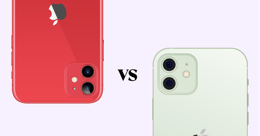
違いを一目で確認
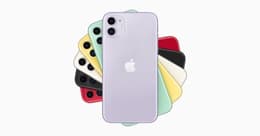
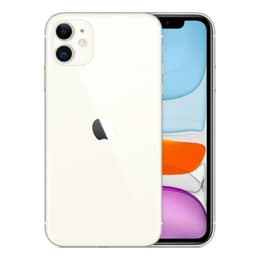
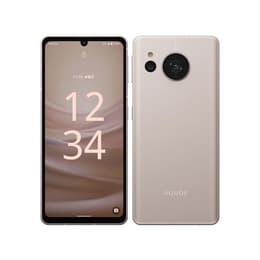
The Apple iPhone 11 (2019) and the Sharp sense7 (2022) represent two distinct approaches to everyday mobile technology, balancing different operating systems, release years, and hardware philosophies. While both devices feature 6.1-inch displays and cater to mainstream users seeking reliable daily communication, they differ fundamentally through Apple's iOS ecosystem versus Android versatility. Each model offers unique priorities in daily functionality, software updates, and handling characteristics.
購入可能なモデル
カラー
容量 (GB)
スコア
耐久性
Comparing the longevity of these devices involves evaluating their release timelines, operating system support duration, and hardware repairability to gauge expected practical lifespans.
- Release timeline and software support: The iPhone 11 launched in 2019 running iOS, while the sense7 arrived in 2022 powered by Android, meaning each model serves different software update windows and lifecycle expectations.
- Repairability and build resilience: Both handsets feature robust construction standards, with widely available replacement components and service networks supporting long-term usability.
- Practical lifespan: Users can expect dependable day-to-day operation from either option, provided battery health is maintained through standard maintenance or a quality-assured refurbished option.
販売年
2019
2022
OS
iOS
Android
パフォーマンス
Performance characteristics vary across storage configurations, battery optimization, and everyday responsiveness for common tasks and applications.
- Multitasking and system speed: Both devices handle daily applications, web browsing, and media streaming smoothly, though differences in memory capacity influence how many background tasks remain active simultaneously.
- Storage capacity: Internal storage configurations meet standard archiving needs, with select models offering expandable storage via memory cards to accommodate large media libraries.
- Battery behavior: Energy efficiency management ensures both phones sustain normal daily usage patterns, though heavy multitasking or prolonged navigation will necessitate recharging before the day concludes.
スクリーン品質
Display properties differ between panel technologies, impacting visual clarity, brightness levels, and outdoor viewing experiences.
- Display technology: The iPhone 11 utilizes an LCD panel known for natural color reproduction, whereas the sense7 features an organic light-emitting diode panel offering deeper contrast and richer dark tones.
- Outdoor visibility: Panel brightness metrics allow both screens to remain legible under direct daylight, though high-brightness modes help counter heavy glare during outdoor use.
- Visual smoothness: Standard refresh rates govern motion handling on both interfaces, providing consistent scrolling performance for messaging and browsing tasks.
解像度
828 x 1792
2340×1080
オーディオビジュアル
Imaging and audio capabilities highlight different priorities in lens configurations, recording quality, and media consumption output.
- Camera systems: The iPhone 11 incorporates a dual-lens rear setup featuring wide and ultra-wide options, while the sense7 focuses on a high-resolution main sensor paired with an ultra-wide alternative for everyday snapshots.
- Video and low-light capture: Processing software assists with clarity in dimly lit environments and stable video recording, accommodating casual content creation and family memories.
- Audio output: Integrated speaker assemblies and microphone clarity support hands-free calls and media playback, providing adequate sound delivery for everyday use.
その他
Practical physical attributes encompass connectivity standards, biometric security, and physical dimensions that influence daily handling.
- Connectivity and ports: The iPhone 11 relies on a proprietary charging connector alongside widespread wireless standards, whereas the sense7 incorporates a versatile universal serial port and a traditional headphone jack.
- Security sensors: Biometric authentication differs through facial recognition on the Apple device versus a side-mounted fingerprint scanner on the Sharp model.
- Physical handling: Weight distribution and body dimensions vary slightly, with the lighter frame of the sense7 offering comfortable single-handed operation compared to the heavier build of the iPhone 11.
重量
194 g
158 g
画面サイズ(インチ)
6.1
6.4
ネットワーク
4G
5G
デュアルSIM
シングルSIM + eSIM
シングルSIM + eSIM
SIMカード
SIMフリー
SIMフリー
コミュニティの評価
User feedback from online communities highlights distinct preferences for each device. Owners of the iPhone 11 frequently praise its reliable build quality, long-standing software support, and intuitive interface. Conversely, users of the sense7 often emphasize appreciation for its lightweight construction, vibrant display contrast, and the inclusion of expandable storage alongside a headphone jack. Common criticisms for the older Apple model center around gradual battery degradation over extended years of service, while the Sharp device occasionally receives notes regarding intensive gaming limitations due to its mid-range processor architecture.
Users prioritizing a seamless ecosystem experience with long-term software updates may prefer the iPhone 11, while individuals valuing a lighter physical frame, deep display contrast, and expandable storage will lean toward the sense7. Choosing a sustainable, quality-assured refurbished option through Back Market enables an eco-friendly approach to acquiring either device without compromising on reliability. Ultimately, aligning these distinct functional traits with personal daily habits ensures an informed and satisfying selection.