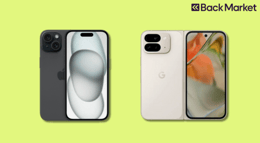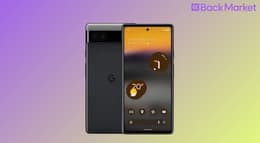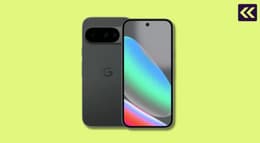

違いを一目で確認
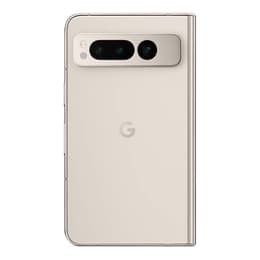
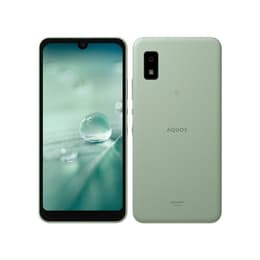
The Google Pixel Fold (2023) and the Google Pixel 9 Pro Fold (2024) represent consecutive generations of Google's book-style foldable smartphone line. While both devices feature dual-screen layouts running the Android operating system, they differ significantly in physical dimensions, processor generations, and overall hardware refinement. This comparison explores their practical differences to help you determine which model fits your daily routine.
スコア
耐久性
Evaluating the durability and lifespan of foldable smartphones involves looking at update support, physical design longevity, and expected hardware endurance over years of active daily use.
- Software support timeline: The newer generation benefits from an extended software update window, while the original Google Pixel Fold operates on an earlier release schedule with fewer remaining major system upgrades.
- Hinge and chassis construction: Both models utilize advanced folding mechanisms and specialized protective glass, though the subsequent model introduces a slimmer profile and refined materials that alter everyday handling.
- Practical longevity: Users can expect solid day-to-day reliability from both devices, though newer internal hardware provides additional headroom for future software demands.
OS
Android
Android
パフォーマンス
Performance capabilities vary noticeably between these two generations, affecting multitasking, app loading speeds, and battery endurance during intensive daily tasks.
- Processing speed and multitasking: The newer device features a more advanced internal processor and higher RAM capacity, handling demanding applications, split-screen workflows, and on-device machine learning tasks more smoothly than the earlier model.
- Storage configurations: Both models offer spacious internal storage options suitable for media files, documents, and large applications.
- Battery behavior: Battery endurance varies based on screen usage habits, with the larger displays and updated processors of each model managing power efficiently through a typical day of mixed messaging, browsing, and media playback.
スクリーン品質
Display technology is central to the foldable experience, and these two devices offer distinct exterior and interior viewing areas with varying physical dimensions and visual clarity.
- Display panels and refresh rates: Both smartphones utilize vibrant OLED panels with smooth high refresh rates for fluid scrolling and responsive touch interaction across both the cover and inner folding screens.
- Outer screen usability: The original model opts for a shorter, wider cover display, whereas the newer iteration features a taller, more traditional smartphone width that makes typing and single-handed use more comfortable.
- Outdoor visibility: High peak brightness levels on both devices ensure content remains legible under bright sunlight, though the newer generation reaches higher maximum luminance thresholds.
解像度
1840 x 2208
1520x720
オーディオビジュアル
Camera systems on foldable devices offer unique framing options, including tabletop tripod modes and high-resolution main sensors paired with supporting lenses.
- Lens configurations: Both phones include a versatile multi-camera setup featuring primary wide, ultra-wide, and telephoto lenses for capturing varied perspectives.
- Low-light and video performance: Computational photography features assist in maintaining clarity during evening shots or indoor settings, while video recording remains stable and detailed across both generations.
- Audio and media output: Built-in stereo speakers deliver balanced sound for casual video viewing and hands-free calls, supported by clear multi-microphone arrays.
その他
Practical daily features such as connectivity standards, physical dimensions, and biometric security shape the overall user experience of each device.
- Connectivity and ports: Both models support modern 5G networks, fast wireless charging, and reliable Bluetooth standards, utilizing a standard USB-C port for wired charging and data transfer.
- Biometrics and sensors: Secure unlocking is handled via facial recognition and fingerprint sensors integrated naturally into the hardware design.
- Size and weight: The original model features a heavier, wider chassis, while the newer version reduces overall weight and thickness for a more pocket-friendly profile.
重量
283 g
1 g
画面サイズ(インチ)
7.6
5.7
ネットワーク
5G
5G
デュアルSIM
シングルSIM + eSIM
シングルSIM
SIMカード
SIMフリー
SIMフリー
コミュニティの評価
When deciding between these two foldable devices, user feedback highlights distinct preferences based on daily habits and physical design priorities. Users prioritizing a wider inner canvas for media and a shorter folded stance often find the original Google Pixel Fold appealing. Conversely, users prioritizing a lighter chassis, extended software longevity, and a more conventional cover screen layout frequently lean toward the newer generation. For those exploring a sustainable choice, a quality-assured refurbished option provides a reliable way to experience these innovative mobile technologies while reducing electronic waste.
Ultimately, both smartphones deliver versatile dual-screen functionality running the Android ecosystem. Your choice will depend on whether you value a more compact, wider footprint or a lighter, modernized hardware design.