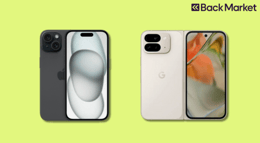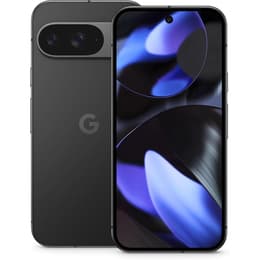
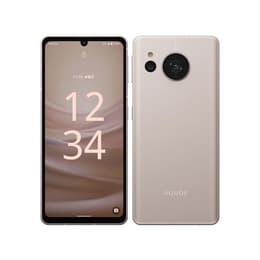

違いを一目で確認
Google Pixel 9 (2024) and AQUOS sense7 (2022) are smartphone models designed to deliver reliable everyday performance with distinct approaches to hardware and software engineering. While both devices run on the Android operating system, they cater to different user preferences through their varying release timelines, structural builds, and feature sets. Choosing between them depends on how users weigh software longevity against compact physical handling and specific everyday utility.
購入可能なモデル
カラー
容量 (GB)
スコア
耐久性
Both smartphones offer reliable structural durability and water resistance for daily use, though their expected software update cycles and release timelines differ significantly.
- Release timeline and software support: The Google Pixel 9 benefits from a more recent release year, accompanied by an extended multi-year software update commitment, whereas the AQUOS sense7 has a mature presence on the market with a shorter remaining official update window.
- Expected practical lifespan: The Google Pixel 9 provides longer-term operating system updates and security patches, making it well-suited for users planning to keep their device for many years.
- Repairability and build resilience: Both handsets feature sturdy outer casings and dust-and-water protection ratings, supporting everyday resilience against common environmental hazards.
販売年
2024
2022
OS
Android
Android
パフォーマンス
The two devices approach daily tasks, multitasking, and power management with different hardware configurations tailored to varied usage patterns.
- App loading and multitasking: The Google Pixel 9 handles intensive applications, demanding games, and background multitasking smoothly with its ample memory configuration, while the AQUOS sense7 manages routine messaging, web browsing, and standard media streaming reliably.
- Battery behavior and endurance: Both models are optimized to last through a typical day of moderate use, though users engaging in heavy navigation or continuous video streaming may experience different charging frequencies based on battery capacity and hardware efficiency.
- Storage capacity: Both devices offer sufficient built-in storage for everyday apps and media, with select models providing expandable storage options for large media libraries.
スクリーン品質
Display characteristics vary between the two models in terms of size, peak brightness, and visual fluidity for media consumption and outdoor viewing.
- Display technology and clarity: Both smartphones utilize OLED display technology to deliver deep contrast levels and sharp text rendering, ensuring clear readability for messages and documents.
- Outdoor visibility and brightness: The Google Pixel 9 reaches higher peak brightness levels for comfortable outdoor viewing in direct sunlight, while the AQUOS sense7 utilizes energy-efficient display engineering suited for balanced indoor and outdoor use.
- Refresh rate and visual smoothness: The Google Pixel 9 features a higher refresh rate capability for fluid scrolling through web pages and menus, while the AQUOS sense7 maintains a standard refresh rate focused on power conservation.
解像度
1080 x 2424
2340×1080
オーディオビジュアル
Imaging capabilities and media output reflect different design priorities for capturing daily moments and handling audio playback.
- Camera versatility: The Google Pixel 9 incorporates advanced computational photography features alongside a wide and ultra-wide lens arrangement, whereas the AQUOS sense7 focuses on straightforward point-and-shoot clarity with its main sensor.
- Low-light and video performance: The Google Pixel 9 processes challenging lighting conditions smoothly using sophisticated image software, while the AQUOS sense7 delivers balanced daylight snapshots for casual sharing.
- Media consumption: Both devices offer clear internal speakers and microphone systems suitable for hands-free calls, video conferencing, and casual media playback.
その他
Practical daily usability features, connectivity standards, and physical handling traits shape how each device fits into routine use.
- Physical handling and weight: The AQUOS sense7 emphasizes a lightweight and compact form factor that fits comfortably in one hand or smaller pockets, whereas the Google Pixel 9 offers a slightly broader screen workspace within a modern chassis.
- Connectivity and ports: Both models support modern 5G networks, Wi-Fi connectivity, and Bluetooth standards, while the AQUOS sense7 includes traditional physical headphone connectivity for wired audio accessories.
- Security sensors: Both devices incorporate biometric authentication methods including facial recognition and secure fingerprint sensors for quick unlocking.
重量
198 g
158 g
画面サイズ(インチ)
6.3
6.4
ネットワーク
5G
5G
デュアルSIM
シングルSIM + eSIM
シングルSIM + eSIM
SIMカード
SIMフリー
SIMフリー
コミュニティの評価
User discussions across online communities highlight distinct preferences for each device based on everyday habits. Users frequently praise the Google Pixel 9 for its smooth system fluidity, bright display visibility, and long-term software support. At the same time, owners of the AQUOS sense7 often emphasize appreciation for its lightweight physical design, comfortable one-handed handling, and reliable battery endurance during routine tasks. Some users note that the AQUOS sense7 can feel constrained during demanding gaming sessions, while others point out that the Google Pixel 9 carries a slightly heavier physical footprint.
Users prioritizing extended software longevity, high display brightness, and advanced camera processing will find the Google Pixel 9 well-suited to their needs. Conversely, users who favor a lightweight, compact device with comfortable single-handed operation may lean toward the AQUOS sense7. For environmentally conscious buyers exploring a quality-assured refurbished option, both models represent sustainable choices that extend device lifecycles while reducing electronic waste.