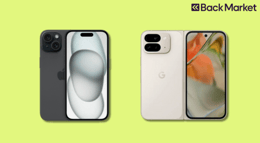

違いを一目で確認
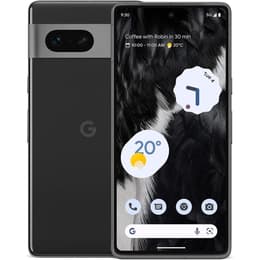
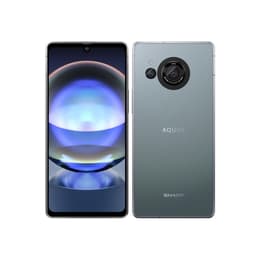
Google Pixel 7 (2022) and Sharp Aquos R8 (2023) are distinct smartphones that bring unique design philosophies and software experiences to the market. While the Pixel 7 emphasizes a seamless software ecosystem and AI-driven capabilities, the Aquos R8 focuses on raw hardware processing power and specialized media features. Both run on the Android operating system, yet they deliver diverging user experiences through their respective interface designs and hardware integrations.
購入可能なモデル
カラー
容量 (GB)
スコア
耐久性
When examining longevity and durability, both devices offer robust software support and construction standards tailored for multi-year daily use.
- Software Support: The Pixel 7 features multi-year operating system updates directly from Google, whereas the Aquos R8 provides a structured schedule of major system upgrades and security patches.
- Build Integrity: The Pixel 7 utilizes standard dust and water resistance alongside durable glass, while the Aquos R8 incorporates military-grade durability standards alongside high water and dust protection ratings.
- Practical Lifespan: Both models are built to maintain reliable daily operation over several years, though users who favor extended security timelines will find both options well-prepared.
販売年
2022
2023
最新OSに対応
はい
いいえ
折りたたみ
いいえ
いいえ
パフォーマンス
Underneath the surface, these two smartphones handle everyday tasks and demanding applications through different hardware configurations.
- Storage Options: Both devices offer ample internal storage variants to store apps, photos, and media, with the Aquos R8 uniquely supporting expandable storage via a microSD card slot.
- System Responsiveness: Both models handle multitasking, web browsing, and demanding mobile games smoothly, maintaining fluid transitions and quick app loading times.
- Battery Behavior: Each phone includes a battery capacity designed to sustain a standard day of mixed usage, supporting fast charging protocols for quick replenishment when needed.
スクリーン品質
Display characteristics vary notably between the two models, impacting outdoor visibility and media consumption.
- Display Technology: The Pixel 7 features an OLED display with high contrast and vivid color reproduction, while the Aquos R8 employs an IGZO OLED panel known for high refresh rate capabilities.
- Visual Fluidity: The Aquos R8 supports a significantly higher maximum refresh rate for scrolling and motion, compared to the fixed higher refresh tier on the Pixel 7.
- Brightness Levels: Both screens reach sufficient outdoor brightness levels to ensure readability under direct sunlight conditions.
解像度
1080 x 2400
1080x2340
画面の種類
AMOLED
Pro IGZO OLED
オーディオビジュアル
Audio and visual capture capabilities reflect different engineering approaches to photography and media output.
- Camera Systems: The Pixel 7 relies on computational photography for sharp everyday shots and advanced post-processing tools, whereas the Aquos R8 features camera hardware tuned in collaboration with a legacy optical brand.
- Video and Audio: Both handsets capture stable video recordings and clear audio, though media playback through internal speakers differs in acoustic profile.
- Wired Audio: The Aquos R8 retains a traditional headphone jack for wired audio accessories, a hardware feature omitted on the Pixel 7 in favor of wireless listening.
その他
Practical physical and connectivity attributes shape daily handling and accessory compatibility.
- Connectivity: Both models support modern 5G cellular networks, Wi-Fi standards, and Bluetooth connectivity for peripheral devices.
- Security Sensors: Each device integrates an in-display fingerprint scanner and facial recognition capabilities for secure device unlocking.
- Dimensions and Handling: The Pixel 7 presents a slightly heavier profile with distinct camera bar housing, while the Aquos R8 offers a lighter chassis design that prioritizes ergonomic one-handed grip.
重量
212 g
179 g
画面サイズ(インチ)
6.3
6.39
デュアルSIM
シングルSIM + eSIM
シングルSIM + eSIM
SIMカード
SIMフリー
SIMフリー
コミュニティの評価
User feedback from online communities highlights distinct preferences for each device. Owners of the Google Pixel 7 frequently praise its clean software interface, reliable photo processing, and intuitive user experience. Conversely, users of the Sharp Aquos R8 often commend its lightweight build, expandable storage convenience, and high-refresh-rate display.
Users prioritizing software simplicity and automated photo enhancement may prefer the Google Pixel 7, while users prioritizing expandable storage, a traditional headphone jack, and high refresh rates may lean toward the Sharp Aquos R8. For those seeking a quality-assured refurbished option, exploring sustainable choices on Back Market allows consumers to acquire these devices with verified testing standards. Ultimately, the choice depends on which physical ports, display traits, and ecosystem features best match individual daily habits.