違いを一目で確認
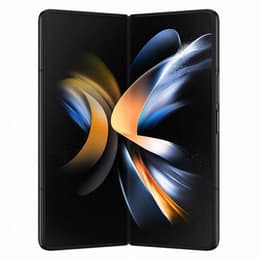
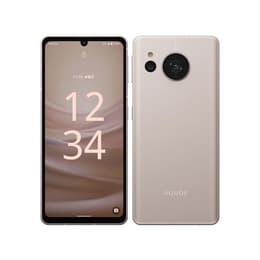
The Samsung Galaxy Z Fold4 (2022) and the Sharp AQUOS sense7 (2022) are distinct smartphone models designed for very different usage styles, with the former offering an innovative foldable display format and the latter featuring a traditional, highly portable candy-bar design. While both run on the Android operating system, they approach daily mobile computing through contrasting form factors and hardware configurations. Choosing between them depends on whether a user prioritizes expansive multi-window screen space or lightweight, pocket-friendly simplicity.
購入可能なモデル
カラー
容量 (GB)
スコア
耐久性
Both devices launched in late 2022 and receive ongoing software support from their respective manufacturers, though their structural designs involve different long-term maintenance considerations.
- Software longevity: Both models receive regular security updates and major system upgrades, though foldable devices generally require careful handling of the flexible inner screen over years of continuous folding and unfolding.
- Repairability and durability: Traditional single-screen devices like the AQUOS sense7 feature simpler structural builds that can be straightforward to service, while the Galaxy Z Fold4 incorporates complex hinges and dual displays requiring specialized maintenance.
- Expected lifespan: Selecting a quality-assured refurbished option provides a sustainable choice that extends the active operational life of these capable devices through professional testing and component verification.
販売年
2022
2022
OS
Android
Android
パフォーマンス
The internal hardware configurations deliver distinct operational experiences, balancing high-tier multitasking capability with energy-efficient everyday efficiency.
- App loading and multitasking: The Galaxy Z Fold4 handles demanding productivity apps, split-screen workflows, and resource-intensive games smoothly, whereas the AQUOS sense7 focuses on reliable daily tasks, messaging, and casual browsing.
- Storage capacity: The Galaxy Z Fold4 offers expansive internal storage tiers starting at 256GB, while the AQUOS sense7 provides 128GB of internal space supplemented by a microSD card slot for flexible media expansion.
- Battery behavior: The AQUOS sense7 benefits from an energy-efficient processor that preserves battery life during standard daily use, while the Galaxy Z Fold4 manages energy across two separate screens to support intensive multitasking sessions.
スクリーン品質
Display technology represents one of the most defining differences between these two smartphones, shaping how users consume media and interact with content.
- Display technology: The Galaxy Z Fold4 features a foldable inner organic light-emitting diode screen alongside an outer cover display, providing a tablet-sized viewing area, while the AQUOS sense7 utilizes a traditional IGZO organic light-emitting diode panel known for vibrant color reproduction.
- Refresh rate and smoothness: The Galaxy Z Fold4 supports a high 120Hz refresh rate for fluid scrolling and animations, whereas the AQUOS sense7 operates at a standard 60Hz refresh rate geared toward steady battery preservation.
- Outdoor visibility: Both screens offer high brightness levels that maintain legibility under direct sunlight, making outdoor map reading and text visibility comfortable on both models.
解像度
1812 x 2176
2340×1080
オーディオビジュアル
The camera systems cater to different photography habits, offering versatile multi-lens setups versus streamlined, everyday snapshot capabilities.
- Camera versatility: The Galaxy Z Fold4 includes a triple-lens rear array featuring a main wide sensor, an ultra-wide lens, and a telephoto lens with optical zoom, while the AQUOS sense7 relies on a dual-lens setup centered around a high-resolution main sensor and an ultra-wide option.
- Low-light performance: Both devices capture clear images in challenging lighting conditions through advanced image processing algorithms, reducing noise and preserving details.
- Audio and media output: Stereo speakers on both models deliver clear sound for video calls and casual media viewing, with the AQUOS sense7 retaining a traditional headphone jack for wired audio accessories.
その他
Physical dimensions and connectivity standards highlight the practical differences in how each device integrates into daily routines and travel gear.
- Build and handling: The Galaxy Z Fold4 provides a substantial hand-feel with a heavier folding chassis designed for dual-screen productivity, while the AQUOS sense7 emphasizes a lightweight, compact body that fits easily into small pockets.
- Water and dust resistance: Both smartphones carry an IP68 rating, ensuring robust protection against accidental liquid immersion and dust ingress during outdoor activities.
- Connectivity features: Both models support modern 5G networks, fast Wi-Fi standards, and Bluetooth pairing, with regional variants of the AQUOS sense7 also including local transit and payment card support.
重量
282 g
158 g
画面サイズ(インチ)
7.6
6.4
ネットワーク
5G
5G
デュアルSIM
シングルSIM + eSIM
シングルSIM + eSIM
SIMカード
SIMフリー
SIMフリー
コミュニティの評価
User discussions and community feedback indicate that the Galaxy Z Fold4 earns praise for its expansive tablet-like display and robust multitasking environment, though some users note its heavier weight and visible screen crease. Conversely, owners of the AQUOS sense7 frequently highlight its exceptional battery longevity, comfortable one-handed grip, and lightweight frame, while noting its standard screen refresh rate. Users prioritizing expansive multi-window workspaces and high-performance gaming will find the Galaxy Z Fold4 well-suited to their needs, while users prioritizing portability, battery efficiency, and everyday simplicity may lean toward the AQUOS sense7. Opting for a quality-assured refurbished option serves as an eco-friendly alternative that provides access to these advanced features while supporting sustainable technology consumption.