
違いを一目で確認
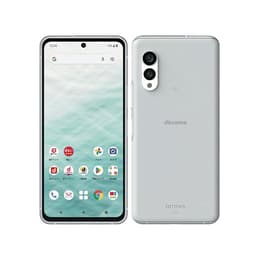
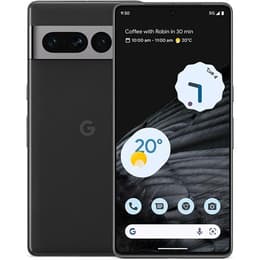
The Fujitsu Arrows N F-51C (2022) and the Google Pixel 7 Pro (2022) are contemporary smartphones designed to cater to very different user preferences in the mobile market. While both devices run on the Android operating system, they approach hardware design, software features, and everyday usability through distinct engineering philosophies.
Understanding how these two models compare across daily performance, display characteristics, and physical handling helps users determine which device aligns better with their specific lifestyle needs.
購入可能なモデル
カラー
容量 (GB)
スコア
耐久性
Both devices launched within the same timeframe, yet they offer different approaches to software support schedules and long-term durability metrics.
- Software Lifespan: The Google Pixel 7 Pro provides an extensive multi-year commitment for operating system upgrades and security patches, whereas the Fujitsu Arrows N F-51C focuses on a targeted update cycle aimed at maintaining stability during its designated support window.
- Build Resilience: The Fujitsu Arrows N F-51C emphasizes rugged compliance standards with high-grade drop resistance, while the Google Pixel 7 Pro incorporates robust scratch-resistant glass panels paired with a sturdy metal frame for daily wear protection.
- Practical Longevity: Users evaluating hardware endurance will find both models equipped to handle several years of standard daily tasks, provided the battery health is maintained or restored through a quality-assured refurbished option.
販売年
2023
2022
折りたたみ
いいえ
いいえ
パフォーマンス
Handling everyday applications and multitasking depends heavily on how each device integrates its internal components and battery management system.
- Multitasking and Responsiveness: The Google Pixel 7 Pro utilizes a customized computing architecture that effortlessly handles heavy gaming and demanding background applications, while the Fujitsu Arrows N F-51C relies on an efficient mid-range processor optimized for smooth everyday navigation, web browsing, and messaging.
- Storage and Memory: Both devices offer ample internal storage configurations paired with generous memory capacities to keep multiple apps open simultaneously without noticeable slowdowns.
- Battery Behavior: The Google Pixel 7 Pro features a larger battery capacity designed to sustain heavy daily usage profiles, whereas the Fujitsu Arrows N F-51C pairs a moderate battery size with an energy-efficient processor to comfortably last through standard routine tasks.
スクリーン品質
Visual immersion and panel characteristics differ notably between the two models, impacting media consumption and outdoor readability.
- Display Technology: The Google Pixel 7 Pro features a large curved OLED screen with high resolution and deep contrast levels, whereas the Fujitsu Arrows N F-51C employs a compact organic light-emitting panel that delivers crisp text and natural color reproduction.
- Refresh Rate and Smoothness: Both devices support high refresh rates, ensuring that scrolling through web pages and navigating system menus appears fluid and responsive.
- Outdoor Visibility: High peak brightness capabilities on both screens allow content to remain legible when viewed under direct sunlight or bright ambient lighting conditions.
解像度
1080x2400
1440 x 3120
画面の種類
OLED
LTPO AMOLED
オーディオビジュアル
Photography and multimedia recording capabilities vary significantly based on the lens configurations and image processing software built into each phone.
- Camera Array: The Google Pixel 7 Pro incorporates a versatile triple-lens system featuring a dedicated telephoto zoom lens for distant subjects, while the Fujitsu Arrows N F-51C equips a reliable dual-lens setup focused on sharp everyday snapshots and wide-angle framing.
- Low-Light and Video: Advanced computational photography algorithms on the Google Pixel line excel at brightening dark environments and stabilizing handheld video, whereas the Fujitsu model captures dependable casual video and clear portrait shots for social sharing.
- Audio and Media Output: Stereo speaker setups on both devices provide clear sound delivery for hands-free calls, casual video viewing, and podcast playback.
その他
Physical dimensions, connectivity standards, and daily handling characteristics establish how comfortable each phone feels during extended use.
- Handling and Form Factor: The Fujitsu Arrows N F-51C offers a noticeably lighter and narrower body that suits single-handed operation, whereas the Google Pixel 7 Pro features a broader, heavier footprint designed for maximum screen estate.
- Connectivity and Ports: Both models support modern 5G cellular networks, Wi-Fi standards, and near-field communication for digital payments, utilizing reversible USB-C ports for charging and data transfer.
- Security Sensors: Quick biometric authentication is handled via responsive under-display fingerprint scanners and reliable facial recognition features on both handsets.
重量
171 g
212 g
画面サイズ(インチ)
6.24
67
デュアルSIM
シングルSIM + eSIM
シングルSIM + eSIM
SIMカード
SIMフリー
SIMフリー
コミュニティの評価
Deciding between these two smartphones depends heavily on individual usage habits and ergonomic preferences. Users prioritizing a lightweight, compact body with robust build resilience may find the Fujitsu Arrows N F-51C well-suited to their daily routine. Conversely, users prioritizing advanced photographic zoom capabilities, a larger high-resolution display, and heavier gaming performance will likely lean toward the Google Pixel 7 Pro.
Opting for a quality-assured refurbished option serves as a sustainable choice that extends device lifecycles while reducing electronic waste. Reviewing these practical differences ensures an informed decision that matches your personal priorities without unnecessary complexity.