違いを一目で確認
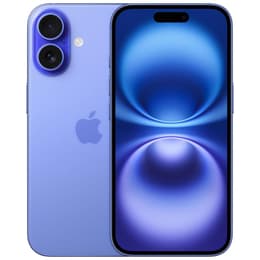
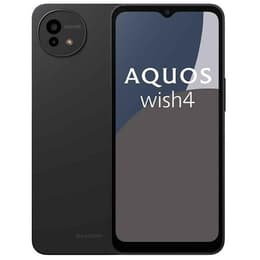
The iPhone 16 (2024) and the Sharp Aquos wish4 (2024) are contemporary smartphones designed for distinctly different segments of the mobile market. While both devices support modern connectivity standards and run on current software ecosystems, they approach everyday usability through contrasting hardware philosophies and platform experiences, with the iPhone operating on iOS and the Sharp running on Android.
購入可能なモデル
カラー
容量 (GB)
スコア
耐久性
Both models arrive from the 2024 product generation, but they offer varying structural durability profiles and software support expectations over time.
- Software longevity: The iPhone 16 benefits from extended multi-year operating system updates typical of flagship hardware, whereas the Sharp Aquos wish4 provides a more moderate timeline of major system updates suited for foundational usage.
- Build resilience: The iPhone 16 utilizes glass and aluminum construction paired with advanced surface protection, while the Sharp Aquos wish4 focuses on rugged everyday resilience with military-grade drop resistance and shock absorption for rough handling.
- Expected lifespan: Both units are built to endure several years of daily routines, though the iPhone 16 retains performance headroom longer for demanding software evolution.
販売年
2024
2024
折りたたみ
いいえ
いいえ
パフォーマンス
System responsiveness and everyday multitasking capabilities differ significantly due to the internal component tiers selected for each device.
- Processing capability: The iPhone 16 handles heavy 3D gaming and complex multitasking seamlessly with advanced thermal efficiency, while the Sharp Aquos wish4 manages standard daily tasks such as web browsing, messaging, and casual video streaming reliably.
- Memory and storage: Both smartphones offer multiple configuration tiers including spacious base storage options, though the iPhone 16 pairs its internal storage with larger memory bandwidth to keep background apps active without stutter.
- Battery behavior: The Sharp Aquos wish4 incorporates a high-capacity battery that easily stretches through multiple days of light tasks, whereas the iPhone 16 balances intensive background processing with optimized power consumption to reliably complete a full day of mixed use.
スクリーン品質
Visual output and display technologies reflect distinct priorities regarding panel clarity, brightness, and multimedia immersion.
- Display technology: The iPhone 16 features an advanced OLED panel delivering deep contrast ratios and vivid color reproduction, whereas the Sharp Aquos wish4 utilizes a standard LCD panel focused on straightforward legibility.
- Outdoor visibility: High peak brightness levels on the iPhone 16 maintain clear text readability under direct sunlight, while the Sharp Aquos wish4 offers adequate indoor and shaded outdoor brightness for basic reading.
- Size and viewing experience: The iPhone 16 provides a compact, sharp viewing area ideal for precise detail rendering, whereas the larger screen on the Sharp Aquos wish4 accommodates users who prefer reading larger text fonts comfortably.
解像度
1179 x 2556
720x1612
画面の種類
Super Retina XDR OLED
TFT
オーディオビジュアル
Imaging hardware and audio-visual playback capabilities vary to match different capture expectations and media consumption habits.
- Camera systems: The iPhone 16 includes a versatile multi-lens arrangement with advanced computational photography tools for crisp low-light shots, while the Sharp Aquos wish4 relies on a single high-pixel main sensor supported by automated scene optimization for everyday snapshots.
- Video recording: The iPhone 16 captures stable, high-resolution footage with sophisticated audio zoom features, whereas the Sharp Aquos wish4 handles casual video recording suitable for sharing basic clips.
- Audio output: Stereo speaker setups on the iPhone 16 deliver balanced sound separation for media streaming, while the Sharp Aquos wish4 includes a convenient physical headphone jack alongside its built-in speaker for wired audio accessories.
その他
Physical dimensions, interface ports, and daily handling characteristics determine how each smartphone fits into various lifestyle routines.
- Connectivity standards: Both models integrate fast wireless networking and modern Bluetooth protocols, with the iPhone 16 supporting ultra-wideband spatial awareness features.
- Physical ports: The iPhone 16 utilizes a reversible USB-C connection for charging and accessories, while the Sharp Aquos wish4 similarly adopts USB-C alongside its traditional audio jack.
- Handling and dimensions: The iPhone 16 features a balanced weight distribution within a sleek profile, whereas the Sharp Aquos wish4 adopts a slightly bulkier, textured chassis designed to prevent slipping during one-handed use.
重量
170 g
190 g
画面サイズ(インチ)
6.1
6.6
ネットワーク
5G
5G
デュアルSIM
シングルSIM + eSIM
デュアルSIM
SIMカード
SIMフリー
SIMフリー
コネクタ
USB-C (USB 2)
USB-C
コミュニティの評価
Real-world user feedback indicates that the iPhone 16 earns praise for its fluid system responsiveness, premium display quality, and robust long-term processing capability, though some users note that its pricing tier requires significant investment. Conversely, owners of the Sharp Aquos wish4 frequently highlight its reliable battery longevity, durable drop-resistant housing, and straightforward operation, while pointing out that its display sharpness and gaming performance are more modest.
Users prioritizing high-end multimedia rendering, photography versatility, and extended software support will find the iPhone 16 well-suited to their needs. Meanwhile, users prioritizing rugged physical durability, simple everyday functionality, and long battery intervals may lean toward the Sharp Aquos wish4. Choosing between these devices depends entirely on balancing daily task demands with hardware preferences. For those exploring sustainable purchasing paths, a quality-assured refurbished option provides an eco-friendly alternative that minimizes electronic waste while delivering reliable modern performance.