違いを一目で確認
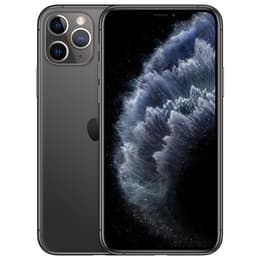
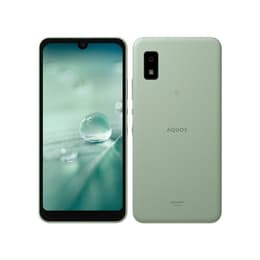
The Apple iPhone 11 Pro (2019) and the Sharp Aquos Wish series (such as the Aquos Wish 3 released in 2023) represent two entirely different approaches to smartphone design and engineering. While the iPhone 11 Pro is a former flagship device focused on premium construction and robust processing capabilities, the Aquos Wish models are lightweight, entry-level Android devices designed for simplicity, ease of handling, and everyday utility. These devices operate on different software ecosystems, with Apple utilizing iOS and Sharp running Google's Android platform, catering to distinct user preferences and daily requirements.
購入可能なモデル
カラー
容量 (GB)
スコア
耐久性
When evaluating hardware longevity and software support, both devices address different expectations regarding long-term usage and update lifecycles.
- Release timeline and software support: The iPhone 11 Pro launched earlier but benefits from Apple's extended iOS support window, whereas entry-level Android models typically receive shorter support cycles tied to their hardware category.
- Repairability and build durability: The iPhone 11 Pro features premium glass and stainless-steel materials with high-tier water resistance, while the Aquos Wish uses recycled plastics designed to withstand everyday drops and minor impacts.
- Expected practical lifespan: Users looking for sustained performance over many years will find that flagship-tier hardware ages differently compared to entry-level processors designed for basic tasks.
OS
iOS
Android
パフォーマンス
Performance capabilities and day-to-day multitasking behavior vary significantly due to the foundational hardware differences between a premium device and an entry-level model.
- Storage and multitasking: The iPhone 11 Pro provides higher tier storage configurations and handles heavy background processing smoothly, whereas the Aquos Wish focuses on essential memory allocations for routine applications.
- App responsiveness: Demanding applications, resource-heavy games, and rapid multi-app switching run with high fluidity on the iPhone, while the Aquos Wish is optimized for stable execution of messaging, web browsing, and utility tools.
- Battery behavior: Battery endurance depends heavily on workload, with the iPhone balancing high-performance tasks and power management, while entry-level models use lower-draw components suited for light daily usage.
スクリーン品質
Display technologies differ notably, influencing visual clarity, color reproduction, and outdoor visibility during media consumption.
- Display technology: The iPhone 11 Pro features a high-density OLED panel delivering deep contrast ratios and vivid colors, while the Aquos Wish utilizes practical display technology geared toward everyday readability.
- Brightness and outdoor visibility: Maximum brightness levels on the iPhone allow for clear viewing in bright sunlight, whereas entry-level displays perform adequately under standard lighting conditions.
- Physical dimensions: The iPhone offers a compact yet spacious viewing canvas, whereas the Aquos Wish series prioritizes an exceptionally compact footprint that fits easily into smaller pockets and bags.
解像度
1125 x 2436
1520x720
オーディオビジュアル
Imaging hardware and multimedia output reflect the distinct market segments and engineering priorities of each manufacturer.
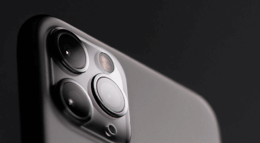
- Camera systems: The iPhone 11 Pro incorporates a versatile triple-lens array including wide, ultra-wide, and telephoto options, while the Aquos Wish utilizes a single, straightforward main rear camera for everyday snapshots.
- Low-light and video performance: Advanced computational photography on the iPhone yields detailed low-light shots and stable high-resolution video recording, whereas entry-level cameras handle casual daylight documentation effectively.
- Media consumption: Stereo speakers on the iPhone deliver robust audio output for music and video playback, while entry-level audio setups provide clear sound suitable for calls and casual listening.
その他
Practical everyday features, physical handling characteristics, and connectivity standards shape the overall user experience.
- Build and handling: The iPhone 11 Pro offers a heavier, dense feel with polished metal and glass, whereas the Aquos Wish emphasizes a remarkably lightweight, eco-conscious plastic body that reduces hand fatigue during prolonged calls.
- Connectivity and ports: Both devices support modern wireless standards, though physical connector types differ between Apple's proprietary standard and the universal USB-C port found on Android models.
- Authentication sensors: The iPhone relies on secure facial recognition, while various entry-level Android alternatives incorporate fingerprint sensors or simplified verification methods.
重量
188 g
1 g
画面サイズ(インチ)
5.8
5.7
ネットワーク
4G
5G
デュアルSIM
シングルSIM + eSIM
シングルSIM
SIMカード
SIMフリー
SIMフリー
コミュニティの評価
Community discussions and user feedback highlight distinct patterns of praise and common considerations for both devices. Users frequently commend the iPhone 11 Pro for its robust build quality, versatile multi-lens camera system, and sustained processing power, though some note that older units may require battery maintenance over time. Conversely, users appreciate the Aquos Wish for its remarkably light handling, comfortable one-handed grip, and straightforward software experience, while observing that its processing power and camera capabilities are strictly tailored to basic daily tasks rather than heavy multimedia creation.
Users prioritizing advanced photography, high-tier gaming performance, and premium display fidelity will find the iPhone 11 Pro well-suited to their needs. Meanwhile, users prioritizing lightweight ergonomics, simple everyday messaging, and a compact physical footprint may lean toward a quality-assured refurbished option from the Aquos Wish lineup as a sustainable choice. Choosing between them depends on whether your daily routine demands advanced processing power or lightweight simplicity.