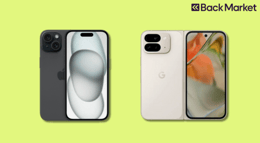
違いを一目で確認
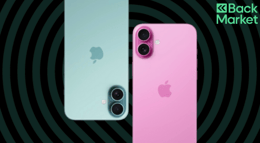
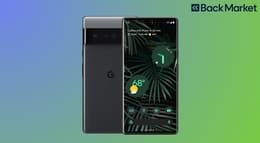
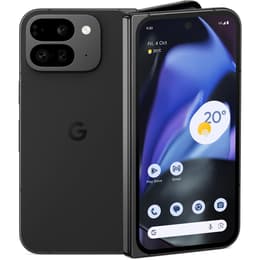
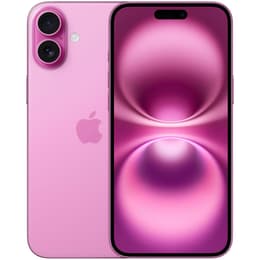
The Google Pixel 9 Pro Fold (2024) and the iPhone 16 Plus (2024) represent two distinct approaches to modern mobile computing, contrasting a versatile foldable design with a traditional large-screen smartphone format. While both devices serve users seeking expansive viewing areas, they differ fundamentally in form factor, operating system ecosystems, and hardware capabilities. The Google Pixel 9 Pro Fold runs on Android with an adaptable dual-screen setup, whereas the iPhone 16 Plus operates on iOS with a streamlined, candy-bar design. These divergent structures dictate how users interact with media, productivity applications, and daily communication tools.
購入可能なモデル
カラー
容量 (GB)
スコア
耐久性
Both devices offer robust long-term usability, though their physical construction and software update commitments shape their expected lifespans differently.
- Software Support: Both manufacturers provide multi-year operating system updates and security patches, helping maintain software relevance and security over several years of continuous daily use.
- Hardware Durability: The iPhone 16 Plus relies on a rigid, traditional chassis with reinforced glass and high water resistance ratings, whereas the Pixel 9 Pro Fold introduces complex hinge mechanics and a flexible inner display that requires careful handling over time.
- Repairability: Traditional smartphone designs generally offer simpler pathways for component replacements, while folding mechanisms and dual screens involve more intricate servicing procedures when wear and tear occurs.
販売年
2024
2024
最新OSに対応
はい
はい
折りたたみ
はい
いいえ
パフォーマンス
System responsiveness and day-to-day operation differ based on multitasking philosophy, memory allocation, and thermal management.
- Multitasking and Apps: The Pixel 9 Pro Fold features high memory capacity designed to run multiple split-screen applications simultaneously, whereas the iPhone 16 Plus handles background tasks and demanding applications through optimized system integration.
- Everyday Speed: Both devices load apps quickly, navigate menus fluidly, and handle graphics-intensive games smoothly without noticeable lag during standard usage patterns.
- Battery Behavior: The iPhone 16 Plus maintains reliable energy efficiency for extended single-screen use, while the Pixel 9 Pro Fold distributes power across two separate displays, resulting in varying battery endurance depending on how often the large inner screen is utilized.
スクリーン品質
Visual experiences diverge significantly due to screen geometry, folding capabilities, and display panel technologies.
- Display Format: The Pixel 9 Pro Fold provides an expansive tablet-sized inner screen alongside a standard cover display, while the iPhone 16 Plus utilizes a single, fixed large-format OLED panel with high color accuracy.
- Brightness and Clarity: Both models achieve high peak brightness levels, ensuring readability under direct sunlight, and utilize advanced panel technologies to deliver deep contrast and sharp text rendering.
- Refresh Rates: The Pixel 9 Pro Fold supports high refresh rates across its panels for smooth scrolling, while the iPhone 16 Plus maintains standard refresh characteristics paired with responsive touch recognition.
解像度
2076 x 2152
1290 x 2796
画面の種類
Foldable LTPO OLED
Super Retina XDR OLED
オーディオビジュアル
Imaging hardware and audio reproduction cater to different capture preferences and media consumption habits.
- Camera Systems: The Pixel 9 Pro Fold incorporates a versatile triple-lens array including specialized telephoto reach, while the iPhone 16 Plus uses an advanced dual-lens setup optimized for quick point-and-shoot clarity and high-resolution everyday photography.
- Video and Low Light: Both devices capture stable, detailed video footage in diverse lighting conditions, supported by automated image stabilization and computational processing tools.
- Audio Output: Built-in stereo speakers on both models deliver clear sound for hands-free calls and casual media streaming, complemented by sensitive microphone arrays for voice recording.
メインカメラ
48 megapixels
48 megapixels
フロントカメラ
10 megapixels
12 megapixels
その他
Connectivity standards, physical dimensions, and everyday ergonomics define how comfortably each device integrates into a user's routine.
- Connectivity and Ports: Both models support modern 5G networks, high-speed Wi-Fi standards, and Bluetooth connections, utilizing reversible charging and data transfer ports specific to their respective ecosystems.
- Biometrics: Security authentication is handled via facial recognition on the iPhone 16 Plus, while the Pixel 9 Pro Fold utilizes a side-mounted fingerprint sensor integrated into the power button alongside facial unlock options.
- Handling and Weight: The iPhone 16 Plus presents a slim, lightweight profile suited for single-handed holding, whereas the Pixel 9 Pro Fold has a heavier, thicker footprint when closed that expands into a wide, thin tablet profile when opened.
重量
257 g
199 g
画面サイズ(インチ)
8.0
6.7
ネットワーク
5G
5G
デュアルSIM
シングルSIM + eSIM
シングルSIM + eSIM
SIMカード
SIMフリー
SIMフリー
コミュニティの評価
User feedback and community discussions highlight distinct preferences for each device based on lifestyle and workflow requirements. Owners of the iPhone 16 Plus frequently praise its reliable battery longevity, comfortable ergonomics for a large-format device, and the seamless integration provided by iOS. Conversely, users of the Google Pixel 9 Pro Fold often emphasize the productivity advantages of the expansive inner screen, multi-app windowing capabilities, and the flexibility of having both a compact cover display and a tablet-sized workspace in a single pocketable device. Common criticisms for the foldable model involve its heavier weight and the extra care required for the flexible screen, while the iPhone model faces occasional notes regarding its traditional, non-transformable form factor.
Users prioritizing maximum screen workspace for multitasking and media viewing will find the Google Pixel 9 Pro Fold well-suited to their needs, while users prioritizing streamlined battery performance, lightweight handling, and a conventional smartphone experience may lean toward the iPhone 16 Plus. For consumers seeking a sustainable choice, exploring a quality-assured refurbished option provides an eco-friendly alternative to purchasing newly manufactured hardware without compromising on functional evaluation.