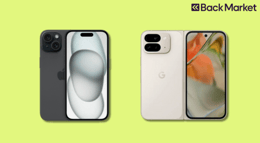
Google Pixel 8 Pro vs iPhone Air

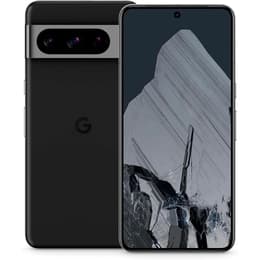
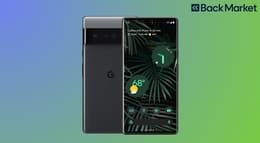
Google Pixel 8 Pro
Google Pixel 8 Pro
最安価格

リファービッシュ品の価格:¥74,000

新品との比較:¥181,306

オプションを見る
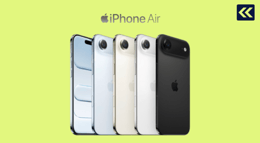
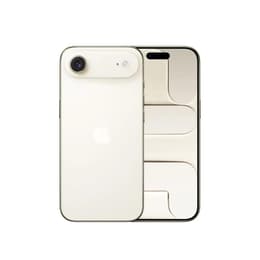
iPhone Air
iPhone Air
最安価格

リファービッシュ品の価格:¥138,559

新品との比較:¥159,800

オプションを見る

The Google Pixel 8 Pro, released in October 2023, and the iPhone Air, launched in September 2025, represent distinct approaches to high-end smartphone design and functionality. While the Pixel 8 Pro emphasizes advanced computational photography and a pure Android experience, the iPhone Air introduces a new, ultra-thin form factor within Apple's ecosystem, focusing on a streamlined design and a powerful, integrated hardware-software experience. Both devices operate on their respective flagship operating systems, Android 14 (upgradable) for the Pixel and iOS 26 for the iPhone, offering unique user interfaces and app ecosystems.

スコア

耐久性

The longevity of a smartphone is influenced by its build, software support, and repairability. These two devices offer different timelines and considerations for their practical lifespan.

  • Release Timeline: The Google Pixel 8 Pro was released in October 2023, making it a more established device. The iPhone Air, a newer model, was released in September 2025, offering a more recent hardware foundation.
  • Software Support: Google has committed to an extensive seven years of operating system and security updates for the Pixel 8 Pro, suggesting a long software lifespan. The iPhone Air, running on iOS 26, is expected to receive iOS updates for approximately 5-6 years from its release, which is a standard duration for Apple devices.
  • Build Materials: The iPhone Air features a polished titanium frame and Ceramic Shield 2 for the front, with Ceramic Shield on the back, designed for enhanced durability and a thin profile. The Pixel 8 Pro utilizes Gorilla Glass Victus 2 for both its front and back, offering robust protection against drops and scratches.

販売年

2023

2025

最新OSに対応

はい

はい

折りたたみ

いいえ

いいえ

パフォーマンス

Performance in modern smartphones extends beyond raw processing power, encompassing how smoothly applications run, how efficiently the battery is managed, and the overall responsiveness of the system.

  • Processing Capabilities: The iPhone Air is equipped with a current-generation Apple A19 Pro chip, which provides smooth performance for demanding applications and multitasking. The Google Pixel 8 Pro is powered by the Google Tensor G3 chip, designed to handle most smartphone tasks with ease, with a particular focus on AI-centric features.
  • Multitasking and Responsiveness: Both devices offer ample memory for efficient multitasking. The iPhone Air comes with 12GB of LPDDR5X memory, contributing to fluid transitions and app handling. The Pixel 8 Pro also features 12GB of RAM, ensuring a responsive user experience even with multiple applications open.
  • Storage Options: The iPhone Air is available with storage options of 256GB, 512GB, or 1TB. The Pixel 8 Pro offers similar configurations, including 128GB, 256GB, 512GB, and a 1TB option.

メモリ (GB)

12 GB

12 GB

スクリーン品質

The display is a primary interface for smartphone interaction, and both the Pixel 8 Pro and iPhone Air offer high-quality viewing experiences with distinct characteristics.

  • Display Technology and Size: The iPhone Air features a 6.5-inch Super Retina XDR OLED display, providing deep blacks and vibrant colors. The Google Pixel 8 Pro has a slightly larger 6.7-inch LTPO OLED display, which Google refers to as 'Super Actua'.
  • Resolution and Clarity: The iPhone Air offers a 2736 x 1260 pixel resolution at 460 pixels per inch. The Pixel 8 Pro provides a 1344 x 2992 pixel resolution at 489 pixels per inch, contributing to sharp image and text display.
  • Brightness and Refresh Rate: Both devices feature high peak brightness levels for clear visibility in various lighting conditions. The iPhone Air supports an adaptive refresh rate ranging from 1Hz to 120Hz with ProMotion technology. The Pixel 8 Pro also offers an adaptive refresh rate between 1Hz and 120Hz, ensuring smooth scrolling and fluid animations.

解像度

1344 x 2992

2736x1260

画面の種類

LTPO OLED

Super Retina XDR

オーディオビジュアル

Camera capabilities are a significant factor for many smartphone users, and both the Pixel 8 Pro and iPhone Air offer advanced photographic and videographic features.

  • Rear Camera System: The iPhone Air features a single 48-megapixel Fusion lens with an ƒ/1.6 aperture, capable of capturing images at 24 or 48 megapixels, and offers 2x telephoto capabilities. The Google Pixel 8 Pro boasts a versatile triple-camera system, including a 50MP wide-angle primary camera, a 48MP ultrawide camera, and a 48MP telephoto camera with 5x optical zoom.
  • Low-Light and Video Performance: Both phones are designed to perform well in various lighting conditions. The iPhone Air supports 4K Dolby Vision recording at up to 60 frames per second and includes features like Action mode and Dual Capture. The Pixel 8 Pro also supports 4K video recording and is known for its advanced computational photography features that enhance image quality in challenging environments.
  • Front Camera: The iPhone Air includes an 18MP Center Stage camera with an ƒ/1.9 aperture, designed for flexible framing and improved group shots. The Pixel 8 Pro features a 10.5MP front camera for selfies and video calls.

メインカメラ

50 megapixels

48 megapixels

フロントカメラ

10.5 megapixels

18 megapixels

その他

Beyond core performance and display, several practical elements contribute to the overall user experience and differentiate these two smartphones.

  • Connectivity: The iPhone Air supports 5G (sub-6 GHz), Wi-Fi 7, and Bluetooth 6. The Google Pixel 8 Pro also supports 5G and was among the first phones to support Wi-Fi 7, alongside Bluetooth 5.3.
  • Ports and Biometrics: The iPhone Air features a USB-C port, which supports USB 2.0 speeds, and includes Face ID for secure authentication. The Pixel 8 Pro also uses a USB-C port and incorporates an in-display fingerprint sensor for biometric security.
  • Design and Dimensions: The iPhone Air is notably thin at 5.64 mm and weighs 165 grams, featuring a titanium design. The Pixel 8 Pro has dimensions of 162.6 x 76.5 x 8.8 mm and weighs 213 grams, offering a slightly more substantial feel.

重量

213 g

165 g

画面サイズ(インチ)

6.7

6.5

ネットワーク

5G

5G

デュアルSIM

シングルSIM + eSIM

eSIM

SIMカード

SIMフリー

SIMフリー

コネクタ

USB-C

USB-C

Users often praise the Google Pixel 8 Pro for its exceptional camera capabilities, particularly its advanced AI-driven photo editing features and consistent image quality across various conditions. Its long-term software support is also a frequently highlighted positive. Some users, however, have noted that while its processor is capable, it might not always match the raw performance of some competitors in highly demanding tasks. The iPhone Air, being a newer entrant, is lauded for its remarkably thin and lightweight design, offering a distinct aesthetic and comfortable handling experience. Its integrated Apple ecosystem and the power of its A19 Pro chip are also strong points for users. Criticisms sometimes revolve around its single rear camera setup, which, while capable, offers less versatility than multi-lens systems.

Users prioritizing a comprehensive and versatile camera system with extensive software support and a pure Android experience may find the Google Pixel 8 Pro well-suited to their needs. Those who value a sleek, ultra-thin design, a powerful and integrated iOS ecosystem, and a premium build will likely lean towards the iPhone Air. Both devices offer compelling features for different user profiles. For those considering either of these advanced smartphones, exploring quality-assured refurbished options can be an eco-friendly alternative to acquiring a device that meets their specific requirements.
すべての記事を見る

最近の比較