違いを一目で確認
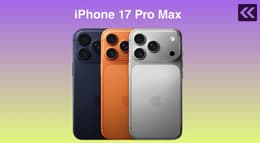
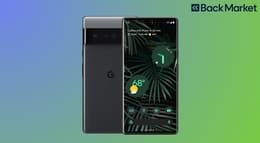
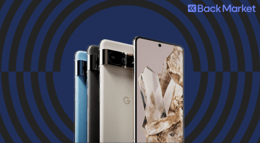
Google Pixel 8 Pro (2023) and iPhone 17 (2025) represent distinct generations and platforms within the modern smartphone landscape, blending large-screen utility with advanced computational capabilities. While the Pixel 8 Pro relies on Google's integrated software ecosystem and versatile multi-lens camera system, the iPhone 17 introduces a refined hardware build, a high-refresh-rate display, and a current-generation mobile platform running iOS. These two models cater to users seeking sophisticated mobile technology, differing primarily in their underlying operating systems and hardware priorities.
購入可能なモデル
カラー
容量 (GB)
スコア
耐久性
When evaluating long-term usability, both devices are designed to receive extended software support, though their launch timelines and platform update cycles differ.
- Software Support Duration: Google provides long-term operating system updates for the Pixel series, while Apple maintains its traditional multi-year iOS support window, ensuring both devices remain secure and functional over several years.
- Hardware Durability: The Pixel 8 Pro features robust glass protection and an aluminum frame, whereas the iPhone 17 incorporates advanced front-cover material designed for enhanced scratch resistance and drop protection.
- Repairability: Both manufacturers offer structured repair channels and service documentation, supporting component replacements to extend the practical lifespan of each handset.
販売年
2023
2025
最新OSに対応
はい
はい
折りたたみ
いいえ
いいえ
パフォーマンス
System performance and day-to-day responsiveness vary across these devices due to their distinct hardware configurations and optimized operating system environments.
- App Loading and Multitasking: Both smartphones handle demanding mobile applications, web browsing, and background tasks smoothly, maintaining consistent fluidity during intensive use.
- Storage and Memory: The Pixel 8 Pro offers ample RAM to support heavy multitasking and on-device features, while the iPhone 17 provides efficient memory management paired with high-capacity base storage options.
- Battery Behavior: Power management features in both models support typical daily usage patterns, though heavy gaming or continuous navigation will require recharging before the end of the day.
スクリーン品質
Display characteristics differ in size, technology, and peak brightness capabilities, directly influencing viewing comfort under various lighting conditions.
- Display Technology: Both models utilize advanced OLED panels with high contrast ratios, deep black levels, and vibrant color reproduction for media consumption and daily navigation.
- Refresh Rate and Smoothness: Each device supports adaptive high refresh rates up to 120Hz, ensuring fluid scrolling through web pages and responsive touch interactions.
- Outdoor Visibility: High peak brightness levels on both screens allow content to remain legible under direct sunlight, reducing glare during outdoor use.
解像度
1344 x 2992
2622x1206
画面の種類
LTPO OLED
Super Retina XDR
オーディオビジュアル
Camera hardware and audio-visual recording capabilities offer distinct advantages depending on whether users prioritize optical zoom versatility or integrated video processing.
- Camera System Setup: The Pixel 8 Pro features a dedicated triple-lens array including a wide, ultra-wide, and telephoto lens with optical zoom, while the iPhone 17 employs a high-resolution dual-camera system with advanced computational photography tools.
- Low-Light Performance: Both devices capture clear, detailed images in dim environments through automated multi-frame processing and exposure adjustments.
- Video and Audio: Video recording remains stable and sharp on both handsets, supported by multi-microphone setups that isolate speech and reduce background noise during calls or media capture.
メインカメラ
50 megapixels
48 megapixels
フロントカメラ
10.5 megapixels
18 megapixels
その他
Practical physical attributes and connectivity standards shape how each device integrates into daily workflows and travel routines.
- Connectivity Standards: Both models support current-generation 5G networks, fast Wi-Fi protocols, and Bluetooth connectivity for reliable peripheral pairing.
- Physical Dimensions: The Pixel 8 Pro offers a larger overall screen footprint and physical surface area, whereas the iPhone 17 provides a more compact, lightweight form factor that is easy to handle with one hand.
- Authentication Features: Biometric security includes secure facial recognition capabilities alongside integrated fingerprint sensing options depending on the device design.
重量
213 g
177 g
画面サイズ(インチ)
6.7
6.3
ネットワーク
5G
5G
デュアルSIM
シングルSIM + eSIM
eSIM
SIMカード
SIMフリー
SIMフリー
コネクタ
USB-C
USB-C
コミュニティの評価
User discussions and community feedback indicate that satisfaction with these devices largely depends on platform preference and specific workflow needs. Owners of the Pixel 8 Pro frequently praise its advanced software editing features, large display estate, and flexible multi-lens camera system, though some note its larger physical footprint can feel heavy during extended one-handed use. Conversely, users of the iPhone 17 highlight its polished build quality, fluid display performance, and seamless integration within the iOS ecosystem, while noting that storage expansion is not supported.
Users prioritizing deep customization, extensive AI-driven photo editing tools, and a dedicated optical zoom lens may prefer the Pixel 8 Pro. Meanwhile, users focusing on a streamlined software interface, compact handling, and long-term ecosystem synergy often lean toward the iPhone 17. For consumers exploring sustainable technology alternatives, a quality-assured refurbished option provides a reliable way to access these advanced features while supporting eco-friendly purchasing habits. Selecting between the two ultimately depends on whether Android flexibility or iOS consistency best aligns with your daily routine.