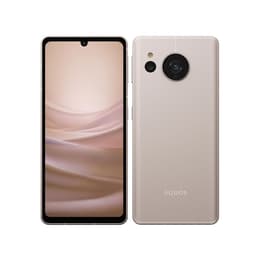

違いを一目で確認
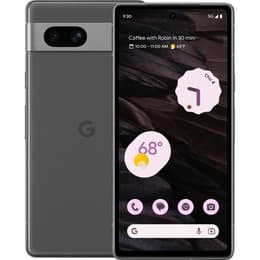
The Google Pixel 7a (2023) and the Sharp Aquos sense7 (2022) are compact mid-range smartphones designed to deliver balanced everyday performance and reliable cameras in manageable form factors. While both devices run on the Android operating system and feature similarly sized screens, they approach hardware design and user experience through different engineering priorities. The Google Pixel 7a emphasizes smart software integration and processing responsiveness, whereas the Sharp Aquos sense7 focuses on lightweight physical handling and energy-efficient display technology.
購入可能なモデル
カラー
容量 (GB)
スコア
耐久性
When evaluating software longevity and hardware endurance, both smartphones offer robust support windows suited for long-term daily use, though their update models differ slightly.
- Software support timeline: The Google Pixel 7a benefits from Google's extended operating system and security update commitments, ensuring multi-year software currency, while the Sharp Aquos sense7 provides standard system updates aligned with its release generation.
- Build durability: Both models include dust and water resistance ratings to handle everyday environmental exposure, though the Pixel 7a incorporates a metal frame structure while the Aquos sense7 prioritizes an exceptionally lightweight aluminum body design.
- Expected lifespan: Practical longevity for both devices remains strong, supported by efficient power management systems that maintain battery health over years of regular charging cycles.
販売年
2023
2022
最新OSに対応
はい
いいえ
OS
Android
Android
折りたたみ
いいえ
いいえ
パフォーマンス
Daily operation and multitasking capabilities vary based on internal hardware configuration, internal memory capacity, and thermal optimization.
- Multitasking and app switching: The Google Pixel 7a features a higher RAM allocation that supports smooth switching between demanding applications, whereas the Sharp Aquos sense7 handles everyday tasks and standard social media navigation reliably with its balanced processor setup.
- Storage capacity: Both devices come equipped with standard internal storage options for applications and media, while the Sharp model uniquely includes expandable storage via a memory card slot.
- Battery behavior: The Aquos sense7 benefits from an energy-saving display panel that extends daily usage between charges, while the Pixel 7a utilizes adaptive battery learning to optimize power distribution based on user habits.
スクリーン品質
Display technologies differ notably between the two devices, influencing outdoor visibility, motion smoothness, and visual warmth.
- Display panel technology: The Pixel 7a features an OLED screen with a faster refresh rate for smoother scrolling and animations, while the Aquos sense7 utilizes an IGZO OLED panel designed specifically for high energy efficiency and color clarity.
- Brightness and outdoor viewing: Both displays offer strong peak brightness levels that remain legible under direct sunlight, though text and image sharpness look crisp and detailed on both 6.1-inch panels.
- Visual experience: Users scrolling through web pages will notice the fluid motion of the Pixel's higher refresh rate, while those prioritizing static reading time will appreciate the power-saving nature of the Sharp display.
解像度
1080 x 2400
1080 x 2432
画面の種類
OLED
IGZO OLED
オーディオビジュアル
Camera systems on both smartphones cater to everyday photography with distinct computational processing strengths and hardware setups.
- Main camera hardware: The Sharp Aquos sense7 employs a large main sensor that captures natural depth and detail, while the Google Pixel 7a relies on advanced computational processing to optimize dynamic range and low-light clarity.
- Video recording: Both phones support high-definition video capture with stabilization features to reduce shake during handheld recording, making them suitable for casual family videos and travel clips.
- Audio and media output: Media consumption is supported by clear internal speaker configurations, though neither device includes a traditional headphone jack, requiring wireless listening or adapter use.
メインカメラ
64 megapixels
50.3 megapixels
フロントカメラ
13 megapixels
8 megapixels
その他
Physical dimensions, weight distribution, and connectivity features shape how each smartphone feels during daily handling and travel.
- Physical dimensions and weight: The Sharp Aquos sense7 stands out for its remarkably lightweight construction that reduces hand fatigue during prolonged calls, while the Pixel 7a carries a slightly heavier build due to its robust internal framing.
- Biometric security: Both models offer convenient authentication options through secure facial recognition and responsive fingerprint sensors embedded directly into the design.
- Connectivity standards: Each device supports modern 5G cellular networks, high-speed Wi-Fi bands, and contactless payment capabilities for seamless daily commuting and connectivity.
重量
193 g
158 g
画面サイズ(インチ)
6.1
6.1
ネットワーク
5G
5G
デュアルSIM
シングルSIM + eSIM
シングルSIM
SIMカード
SIMフリー
SIMフリー
コミュニティの評価
User feedback highlights distinct preferences for each device based on everyday priorities and handling habits. Owners of the Google Pixel 7a frequently praise its responsive system speed, regular software feature additions, and reliable low-light photo processing. At the same time, users note that the device can run warm during intensive tasks. On the other hand, owners of the Sharp Aquos sense7 consistently highlight its featherlight weight, exceptional one-handed usability, and dependable battery endurance, though some mention that its screen refresh rate feels more traditional compared to competitors.
Users prioritizing fluid scrolling, advanced photo processing, and long-term software updates may prefer the Google Pixel 7a. Conversely, users valuing a lightweight feel in the hand, extended battery efficiency, and expandable storage will find the Sharp Aquos sense7 well-suited to their needs. For those exploring sustainable purchasing decisions, choosing a quality-assured refurbished option through Back Market provides an eco-friendly alternative that extends device lifecycles without compromising on reliability.