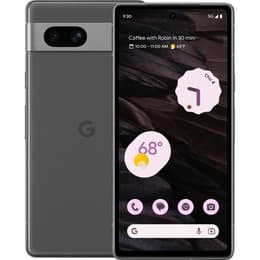
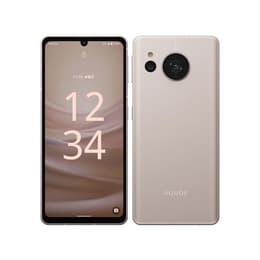

違いを一目で確認
Google Pixel 7a (2023) and AQUOS sense7 (2022) are popular mid-range smartphones designed to deliver reliable everyday performance and strong camera capabilities within accessible form factors. While both run on the Android operating system, they approach software integration, display handling, and hardware architecture differently. These distinct design philosophies shape how each device manages daily tasks, power efficiency, and long-term utility for different user needs.
購入可能なモデル
カラー
容量 (GB)
スコア
耐久性
Both devices offer solid long-term usability, though their software support timelines and hardware repair frameworks reflect different manufacturer strategies. Choosing a quality-assured refurbished option from Back Market provides a sustainable path to extending device lifecycles while maintaining reliable day-to-day operation.
- Software Support Duration: The Google Pixel 7a benefits from Google's extended security update schedule and multi-year operating system upgrades, whereas the AQUOS sense7 provides standard security updates typical of its release period.
- Hardware Longevity: Both models feature dust and water resistance ratings alongside durable outer shells, though users prioritizing prolonged software updates will find extended system longevity with the Pixel model.
- Repairability and Maintenance: Standard component replacement is available for both devices through authorized service channels, helping maintain functional lifespans over years of regular use.
販売年
2023
2022
OS
Android
Android
パフォーマンス
Performance capabilities vary noticeably between the two models due to differing internal hardware configurations, memory allocations, and software optimization approaches. Both devices include 128 GB of internal storage for apps and media files.
- App Loading and Multitasking: The Google Pixel 7a handles demanding multitasking and heavy applications smoothly due to its higher RAM capacity and advanced processing architecture, while the AQUOS sense7 manages everyday messaging, browsing, and standard utility tasks reliably.
- System Responsiveness: Daily navigation across the user interface feels fluid on both devices, though intensive gaming or heavy graphics processing benefit from the additional performance headroom found in the Pixel device.
- Battery Efficiency: Both models are equipped to last through a full day of standard moderate use, with power management systems adapting to background tasks to preserve battery life until evening charging.
スクリーン品質
Display technologies on both smartphones provide sharp, clear visuals, though they utilize different panel types that impact viewing experiences and outdoor visibility.
- Panel Technology and Clarity: The Google Pixel 7a features an OLED display with high contrast and deep blacks, while the AQUOS sense7 utilizes an IGZO OLED panel known for energy-efficient luminosity management.
- Refresh Rate and Smoothness: Scrolling through web pages and documents appears noticeably smoother on the Pixel model due to a higher screen refresh rate, whereas the AQUOS sense7 employs a standard refresh rate focused on conserving battery power.
- Outdoor Brightness: Both screens maintain adequate legibility under direct sunlight through automatic brightness adjustment features, allowing comfortable outdoor viewing in bright daylight conditions.
解像度
1080 x 2400
2340×1080
オーディオビジュアル
Camera hardware and audio configurations cater well to everyday photography and media consumption, though their image processing styles differ.
- Photography Performance: The Google Pixel 7a relies on advanced computational photography to deliver balanced low-light shots and natural color reproduction, while the AQUOS sense7 captures detailed everyday images using a large sensor format for sharp clarity.
- Video and Audio Output: Video recording on both models supports steady stabilization for casual clips, and built-in speakers provide clear audio output for hands-free calls and short video playback.
- Microphone Quality: Integrated multi-microphone arrays reduce background noise effectively during voice calls and video meetings, ensuring clear vocal transmission.
その他
Physical dimensions, weight distribution, and connectivity features dictate the ergonomic feel and practical handling of each smartphone during daily travel and use.
- Handling and Weight: The AQUOS sense7 focuses on a lightweight, compact footprint that fits comfortably into smaller pockets and one-handed grips, whereas the Google Pixel 7a carries a slightly heavier build due to its internal components and sturdy frame.
- Connectivity Options: Both devices support 5G network connectivity, modern Wi-Fi standards, and Bluetooth pairing, alongside NFC functionality for contactless transit passes and digital payments.
- Security Sensors: Quick biometric authentication is available on both smartphones through responsive fingerprint sensors and facial recognition capabilities.
重量
193 g
158 g
画面サイズ(インチ)
6.1
6.4
ネットワーク
5G
5G
デュアルSIM
シングルSIM + eSIM
シングルSIM + eSIM
SIMカード
SIMフリー
SIMフリー
コミュニティの評価
User feedback from online communities highlights distinct advantages for each device depending on daily usage habits. Owners of the Google Pixel 7a frequently praise its smooth display performance, reliable software update schedule, and advanced camera processing capabilities. Conversely, users of the AQUOS sense7 often emphasize its remarkably lightweight design, comfortable one-handed ergonomics, and efficient battery preservation during standard tasks. Common criticisms for the Pixel model occasionally mention warmth during extended gaming sessions, while sense7 users sometimes note that the standard display refresh rate feels less fluid compared to competitors.
Users prioritizing fluid screen motion, long-term software update support, and advanced computational photography will find the Google Pixel 7a well-suited to their needs. Meanwhile, users prioritizing a lightweight physical build, compact ergonomics, and efficient energy consumption may prefer the AQUOS sense7. Selecting a quality-assured refurbished device from Back Market offers an accessible, eco-friendly way to acquire either model while supporting sustainable technology choices. Ultimately, the right choice depends on whether fluid display performance or lightweight portability takes priority in daily routines.