モデルを比較する

Galaxy Z Flip5 vs Zte Libero 5G IV

  • 1年間の動作保証
  • 全商品・全国送料無料
  • 30日間は返品可能
Galaxy Z Flip5
最安価格

リファービッシュ品の価格:¥60,669

新品との比較:¥177,216

オプションを見る

違いを一目で確認

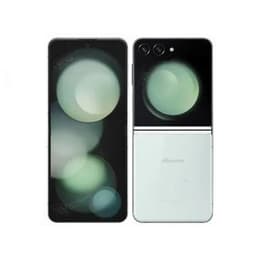
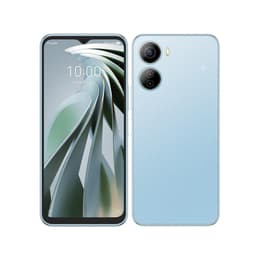
The Samsung Galaxy Z Flip5 (2023) and the ZTE Libero 5G IV (2023) represent two entirely different approaches to modern smartphone design, contrasting a foldable flagship concept with a traditional candybar form factor. While both devices run on the Android operating system and serve everyday communication needs, they cater to distinctly different physical preferences and hardware tiers. Choosing between them depends largely on whether the user values a compact, folding layout or a conventional, straightforward smartphone experience.

購入可能なモデル

カラー

容量 (GB)

スコア

耐久性

Durability and software support expectations vary significantly between these two models due to their positioning and engineering differences.

  • Software support duration: The Galaxy Z Flip5 benefits from an extended multi-year software update schedule typical of flagship lines, whereas the ZTE Libero 5G IV receives standard, more concise manufacturer maintenance.
  • Build and mechanical design: The Galaxy Z Flip5 utilizes a folding hinge mechanism requiring careful handling over years of use, while the ZTE Libero 5G IV features a rigid, single-piece body structure that follows traditional durability patterns.
  • Expected practical lifespan: Premium internal hardware allows the Galaxy Z Flip5 to retain system responsiveness over a longer period, while the ZTE Libero 5G IV suits shorter upgrade cycles or standard daily utility.

販売年

2023

2023

OS

Android

Android

折りたたみ

はい

いいえ

パフォーマンス

Processing capabilities and day-to-day responsiveness reflect the distinct hardware classes of each device, influencing multitasking and battery behavior.

  • App loading and multitasking: The Galaxy Z Flip5 handles demanding applications, graphic-heavy gaming, and rapid switching between multiple background tasks smoothly, while the ZTE Libero 5G IV manages everyday communication, web browsing, and light tools reliably with its modest memory configuration.
  • Storage capacity: The Galaxy Z Flip5 offers high-tier internal storage variants without expansion slots, whereas the ZTE Libero 5G IV provides standard storage suited for moderate media collections and essential apps.
  • Battery behavior: Both devices manage daily energy use differently, with the folding model utilizing a split battery layout optimized for two screens, while the traditional candybar model relies on a single cell that sustains standard routines.

スクリーン品質

Display technologies differ fundamentally, directly altering visual immersion, outdoor readability, and structural formats.

  • Display technology: The Galaxy Z Flip5 features a vibrant foldable main display paired with a functional outer cover screen for quick glances, whereas the ZTE Libero 5G IV employs a conventional flat IPS LCD panel.
  • Brightness and outdoor use: Higher peak brightness levels on the flagship foldable ensure clear visibility under bright sunlight, while the standard panel on the ZTE model performs adequately in typical indoor environments.
  • Refresh rate and smoothness: Fluid scrolling and motion characterize the flagship folding display, while the ZTE Libero 5G IV provides standard visual refresh behavior suited for basic reading and navigation.

解像度

1080x2640

1080x2408

オーディオビジュアル

Imaging hardware and media consumption tools provide distinct capabilities for capturing daily moments and enjoying audio-visual content.

  • Camera versatility: The Galaxy Z Flip5 incorporates advanced multi-lens capabilities supported by powerful image processing for varied lighting conditions, while the ZTE Libero 5G IV relies on a high-resolution main sensor supplemented by basic secondary lenses for everyday snapshots.
  • Video and low-light performance: Detailed video recording with robust stabilization comes naturally to the foldable flagship, whereas the ZTE model captures standard resolution footage suitable for casual sharing.
  • Media and audio output: Stereo speaker setups on the flagship enhance media playback quality, while the ZTE Libero 5G IV provides adequate sound output for calls and routine notifications.

その他

Physical handling, connectivity standards, and daily utility features complete the practical profile of each smartphone.

  • Form factor and weight: The Galaxy Z Flip5 folds down into a compact, pocket-friendly square that weighs 187 grams, while the ZTE Libero 5G IV maintains a standard tall candybar footprint weighing 194 grams.
  • Security and authentication: The Samsung model integrates facial recognition and a side-mounted fingerprint sensor, whereas the ZTE device utilizes an under-display optical fingerprint scanner.
  • Connectivity options: Both smartphones support modern 5G networks, Wi-Fi standards, and Bluetooth connectivity for seamless peripheral pairing.

重量

187 g

194 g

画面サイズ(インチ)

6.7

6.6

ネットワーク

5G

5G

デュアルSIM

シングルSIM + eSIM

デュアルSIM

SIMカード

SIMフリー

SIMフリー

コミュニティの評価

User discussions across online communities highlight distinct preferences for each device. Owners of the Galaxy Z Flip5 frequently praise its highly compact folded size, versatile cover screen utility, and smooth daily performance. At the same time, some users note that the folding crease requires minor visual adjustment and that battery endurance depends heavily on how often the outer screen is used. Users of the ZTE Libero 5G IV often mention its straightforward reliability for basic tasks and comfortable everyday handling, while noting that its processing headroom and camera versatility are more limited during demanding tasks.

Users prioritizing a pocket-friendly folding design, advanced imaging, and long-term hardware capability may prefer the Galaxy Z Flip5. Conversely, users seeking a conventional, practical smartphone for basic daily communication and media consumption will find the ZTE Libero 5G IV well-suited to their needs. For those exploring sustainable choices, a quality-assured refurbished option provides an eco-friendly alternative that extends device life cycles without compromising on performance standards.
すべての記事を見る