モデルを比較する

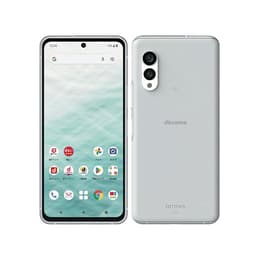
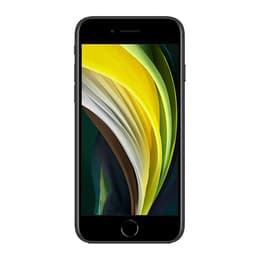
Fujitsu Arrows N F-51C vs iPhone SE (2020)

  • 1年間の動作保証
  • 全商品・全国送料無料
  • 30日間は返品可能
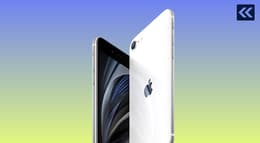
iPhone SE (2020)
最安価格

リファービッシュ品の価格:¥13,814

新品との比較:¥49,800

オプションを見る

違いを一目で確認

The Fujitsu Arrows N F-51C (2022) and the Apple iPhone SE (2020) represent distinct approaches to compact smartphone design from different software ecosystems. While the Fujitsu model runs on Android and emphasizes modern lightweight construction with recycled materials, the iPhone SE relies on Apple's iOS platform within a classic home-button design. These two devices cater to users seeking manageable physical dimensions while differing significantly in their release timelines and core user experiences.

購入可能なモデル

カラー

容量 (GB)

スコア

耐久性

The Fujitsu Arrows N F-51C and the Apple iPhone SE (2020) differ substantially in their release timing, software support windows, and expected operational longevity.

  • Release Timeline and Software Support: The iPhone SE launched in 2020 with iOS, whereas the Fujitsu Arrows N F-51C debuted in late 2022 with Android, providing a more recent baseline for software updates and security patches.
  • Repairability and Build Longevity: The Fujitsu model incorporates military-grade drop resistance and washability features, while the iPhone SE utilizes a glass-and-aluminum chassis with widely accessible third-party repair networks.
  • Expected Practical Lifespan: Users selecting the later-released Fujitsu device generally benefit from a longer remaining window of active operating system support compared to the older Apple model.

販売年

2023

2020

OS

Android

iOS

折りたたみ

いいえ

いいえ

パフォーマンス

Both smartphones handle daily communication and standard tasks reliably, though they manage multitasking and hardware resources through different internal configurations.

  • Multitasking and Memory: The Fujitsu Arrows N F-51C features ample memory capacity that allows multiple background applications to remain open smoothly, whereas the iPhone SE manages its streamlined memory efficiently through tight software optimization.
  • Everyday System Responsiveness: Daily tasks such as web browsing, messaging, and media streaming execute without notable friction on both platforms, though demanding applications benefit from the more recent processing hardware found in the Fujitsu device.
  • Battery Behavior: The Fujitsu model includes a larger physical battery capacity designed to sustain a full day of typical use, while the iPhone SE's smaller battery footprint often requires more frequent recharging during heavy usage routines.

スクリーン品質

Display characteristics differ notably between the two devices in terms of panel technology, refresh rate, and overall viewing area.

  • Display Technology: The Fujitsu Arrows N F-51C utilizes an OLED panel offering deep contrast levels and vibrant colors, whereas the iPhone SE employs a traditional IPS LCD screen with standard contrast ratios.
  • Refresh Rate and Smoothness: The Fujitsu display supports a higher refresh rate for fluid scrolling through menus and web pages, compared to the standard refresh rate fixed on the iPhone SE screen.
  • Size and Form Factor: The Fujitsu device offers a larger viewing surface within a narrow body, whereas the iPhone SE maintains a smaller 4.7-inch screen bounded by prominent top and bottom bezels.

解像度

1080x2400

750 x 1334

画面の種類

OLED

Retina IPS LCD

オーディオビジュアル

Media capture and audio output capabilities vary, providing different toolsets for photography and everyday entertainment.

  • Camera System Configuration: The Fujitsu Arrows N F-51C features a high-resolution main sensor paired with an ultra-wide option, while the iPhone SE relies on a single rear camera lens focused on straightforward point-and-shoot operation.
  • Low-Light and Video Performance: The Fujitsu device incorporates modern sensor processing for dim environments, whereas the iPhone SE delivers steady video stabilization and reliable color accuracy in daylight conditions.
  • Audio and Media Consumption: Both models provide clear sound output for calls and casual media playback, though the larger OLED screen on the Fujitsu option enhances movie-watching experiences.

その他

Practical daily features, physical dimensions, and connectivity standards shape how each device fits into various routines.

  • Connectivity Standards: The Fujitsu Arrows N F-51C supports modern 5G networks and Wi-Fi 6 standards, whereas the iPhone SE operates on 4G LTE connectivity alongside Wi-Fi 6 capability.
  • Authentication Methods: The Fujitsu model offers both fingerprint reading and facial recognition that functions while wearing a mask, while the iPhone SE relies exclusively on a physical home button with fingerprint security.
  • Physical Dimensions and Build: The Fujitsu device balances a lightweight recycled plastic and metal frame at roughly 171 grams, compared to the heavier glass-backed build of the iPhone SE at 148 grams.

重量

171 g

148 g

画面サイズ(インチ)

6.24

4.7

ネットワーク

5G

4G

デュアルSIM

シングルSIM + eSIM

シングルSIM + eSIM

SIMカード

SIMフリー

SIMフリー

コミュニティの評価

User feedback highlights distinct preferences for each device across community forums. Owners of the Fujitsu Arrows N F-51C frequently praise its lightweight recycled build, smooth high-refresh-rate display, and reliable battery endurance. Conversely, users often note that its regional availability and specific network band compatibility require careful verification outside of Japan. Meanwhile, iPhone SE (2020) owners appreciate the familiar operating system, compact physical footprint, and reliable long-term software backing from Apple, though many point out that the modest battery capacity and dated screen bezels limit extended media sessions.

Users prioritizing a modern display, higher refresh rates, and expanded screen workspace will find the Fujitsu Arrows N F-51C well-suited to their needs. On the other hand, users who prefer a smaller pocket-friendly form factor and iOS integration may lean toward the iPhone SE (2020). For those interested in a quality-assured refurbished option, both models appear across sustainable retail channels as eco-friendly alternatives that extend device lifecycles. Choosing between them depends entirely on personal platform preference, desired physical dimensions, and daily usage demands.
すべての記事を見る