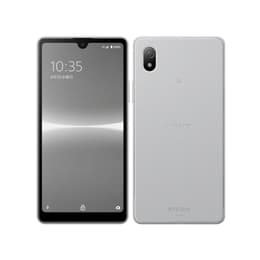

違いを一目で確認
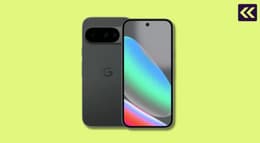
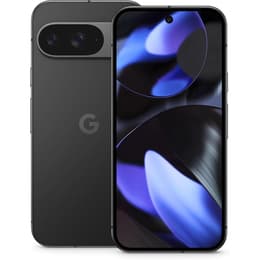
Google Pixel 9 (2024) and Sony Xperia Ace III (2022) represent distinctly different approaches to modern smartphone design, targeting users with varied preferences in size, capability, and ecosystem. While the Google Pixel 9 functions as a feature-rich modern device with advanced processing and capabilities, the Sony Xperia Ace III prioritizes a compact form factor and simplified everyday functionality. Both devices run on the Android operating system, though they deliver unique interface experiences tailored to their respective hardware iterations. Understanding how their core specifications, physical designs, and daily capabilities compare helps users determine which model best aligns with their personal requirements.
購入可能なモデル
カラー
容量 (GB)
スコア
耐久性
Device longevity and software support timelines differ substantially between these two models due to their release years and manufacturer update policies.
- Release timeline and software support: The Google Pixel 9 benefits from an extended multi-year software update commitment spanning several years, ensuring long-term security and feature additions. The Sony Xperia Ace III, released earlier, operates on an older software baseline with a more limited remaining support window.
- Expected practical lifespan: The Google Pixel 9 features robust internal hardware designed to handle evolving application requirements over an extended timeframe. The Sony Xperia Ace III suits users seeking a straightforward device for basic tasks over a shorter operational horizon.
- Hardware resilience: Both devices incorporate durable outer glass and structural elements designed to withstand daily wear, though newer manufacturing standards on the Google Pixel 9 offer enhanced scratch and drop resistance.
販売年
2024
2022
OS
Android
Android
折りたたみ
いいえ
いいえ
パフォーマンス
Processing capabilities and multitasking behavior vary significantly, reflecting the distinct hardware tiers of each smartphone.
- Processor capabilities for everyday tasks: The Google Pixel 9 handles demanding applications, graphic-heavy gaming, and intensive multitasking smoothly and without noticeable hesitation. The Sony Xperia Ace III manages standard daily tasks such as web browsing, messaging, and light media playback reliably, though heavy applications require more loading time.
- Storage and memory allocation: The Google Pixel 9 offers generous internal storage tiers paired with substantial memory capacity to keep numerous background apps active simultaneously. The Sony Xperia Ace III features lighter memory specifications alongside expandable storage support via a microSD card slot.
- Battery behavior: The Google Pixel 9 optimizes power management efficiently to sustain a full day of mixed usage under heavy demands. The Sony Xperia Ace III utilizes a conservative processor paired with a moderately sized battery to deliver steady endurance for light daily routines.
スクリーン品質
Display characteristics differ notably in size, panel technology, and visual fluidity between the two handsets.
- Display technology and clarity: The Google Pixel 9 features a vibrant OLED panel with deep contrast levels and sharp resolution for crisp text and media viewing. The Sony Xperia Ace III utilizes a compact display panel focused on delivering clear legibility for standard messaging and reading tasks.
- Brightness and outdoor visibility: The Google Pixel 9 achieves high peak brightness levels, ensuring readability under direct sunlight. The Sony Xperia Ace III provides adequate indoor visibility, though bright outdoor environments may require manual shading.
- Refresh rate and smoothness: The Google Pixel 9 supports a high refresh rate, resulting in fluid scrolling and responsive touch interactions. The Sony Xperia Ace III relies on a standard refresh rate suited for conventional viewing habits.
解像度
1080 x 2424
1496 x 720
オーディオビジュアル
Imaging and multimedia equipment vary to accommodate different user priorities in photography and audio output.
- Camera system capabilities: The Google Pixel 9 equips a dual-lens rear camera array capable of capturing detailed high-resolution photos across diverse lighting conditions, supported by advanced computational imaging. The Sony Xperia Ace III provides a single primary rear camera designed for straightforward, everyday snapshots.
- Video recording and audio: The Google Pixel 9 records stable, high-definition video with clear multi-microphone audio capture. The Sony Xperia Ace III handles basic video recording needs and retains a physical headphone jack for wired audio accessories.
- Media consumption: The Google Pixel 9 delivers a rich stereo speaker output suited for casual video and music streaming. The Sony Xperia Ace III offers standard mono sound output appropriate for calls and notifications.
その他
Practical physical and connectivity attributes shape the day-to-day handling and usability of each smartphone.
- Physical dimensions and handling: The Sony Xperia Ace III stands out for its lightweight, narrow, and highly compact footprint that fits comfortably into smaller pockets and enables easy one-handed operation. The Google Pixel 9 offers a slightly larger form factor with balanced proportions designed for immersive media viewing.
- Connectivity standards: Both devices support modern mobile networks, though the Google Pixel 9 incorporates updated Wi-Fi and Bluetooth standards for faster accessory pairing and data transfer.
- Build and authentication: The Google Pixel 9 utilizes modern composite framing and biometric face or fingerprint recognition. The Sony Xperia Ace III features a textured plastic build with a convenient side-mounted fingerprint sensor.
重量
198 g
162 g
画面サイズ(インチ)
6.3
5.5
ネットワーク
5G
5G
デュアルSIM
シングルSIM + eSIM
シングルSIM + eSIM
SIMカード
SIMフリー
SIMフリー
コミュニティの評価
Choosing between the Google Pixel 9 and the Sony Xperia Ace III depends heavily on individual usage habits and device priorities. Users who value high performance, advanced photographic tools, fluid display technology, and long-term software updates will find the Google Pixel 9 well-suited to their needs. Conversely, users prioritizing a truly compact physical footprint, lightweight handling, expandable storage, and simplified daily communication often lean toward the Sony Xperia Ace III. For buyers exploring sustainable choices, choosing a quality-assured refurbished option provides an eco-friendly alternative that extends the lifecycle of these electronics without compromising on reliability. Assessing whether processing power or pocket-friendly ergonomics matter most serves as the primary decision factor when evaluating these two distinct smartphones.