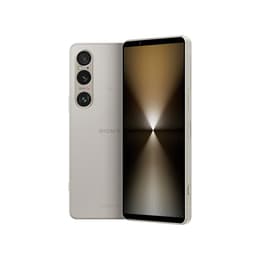

Google Pixel
違いを一目で確認
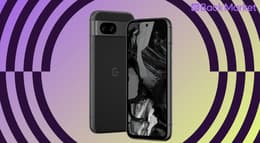
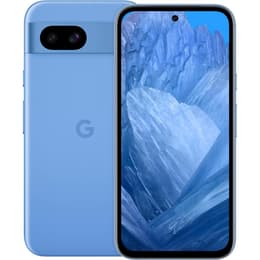
The Google Pixel 8a (2024) and Sony Xperia 1 VI (2024) are modern smartphones that cater to distinct user preferences within the Android ecosystem. While both devices run on the Android operating system and offer contemporary software features, they approach design, hardware capabilities, and user experience from entirely different directions. Choosing between them depends on how you balance everyday usability, multimedia creation, and form factor.
カラー
容量 (GB)
Both smartphones launched in 2024 and provide robust software support timelines, though Google provides extended system updates spanning multiple years to ensure long-term usability. When considering a sustainable choice, a quality-assured refurbished option from Back Market extends the device lifecycle further.
販売年
OS
折りたたみ
The Google Pixel 8a and Sony Xperia 1 VI handle daily workloads, multitasking, and demanding applications reliably, though their internal hardware layouts and memory configurations differ. Both systems maintain responsive interfaces for everyday web browsing, social media feeds, and productivity tasks.
Display characteristics vary significantly in size and aspect ratio between the two models, directly influencing media viewing, reading, and one-handed operation. Both screens utilize vibrant display technologies that deliver clear text and bright imagery.
解像度
画面の種類
Camera systems on these smartphones target different photography styles, ranging from automated computational enhancement to manual, professional-grade creative controls. Both setups capture sharp details and natural colors in favorable lighting environments.
Physical dimensions, weight distribution, and connectivity options define how each device fits into daily routines, travel, and media storage habits. Both models support modern wireless connectivity standards and secure authentication methods.
重量
画面サイズ(インチ)
ネットワーク
デュアルSIM
SIMカード
User discussions across online communities highlight distinct preferences for each device based on everyday practical needs. Owners of the Google Pixel 8a frequently praise its compact footprint, streamlined software interface, and reliable camera processing that captures balanced shots with minimal effort. At the same time, some users note that its charging speeds and maximum battery capacity under heavy use can feel somewhat limited. Conversely, Sony Xperia 1 VI users often emphasize appreciation for the physical media features, such as the headphone jack, expandable storage slot, and advanced camera application controls. On the other hand, common criticisms for the Sony model focus on its taller form factor and elevated retail cost position.
Users who prioritize a compact size, straightforward software, and automated photography will find the Google Pixel 8a well-suited to their daily routines. Meanwhile, users prioritizing advanced camera controls, expandable storage, and dedicated media features may lean toward the Sony Xperia 1 VI. Examining a quality-assured refurbished option can also provide an eco-friendly alternative for conscious buyers looking to make sustainable technology choices without compromising on modern functionality.