違いを一目で確認
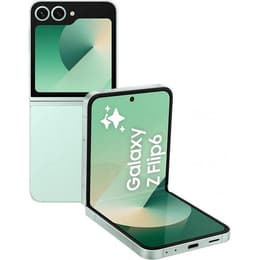
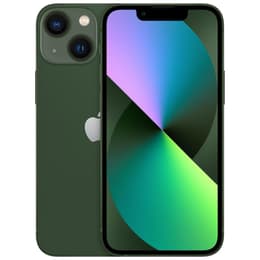
The Samsung Galaxy Z Flip 6 (2024) and the Apple iPhone 13 mini (2021) represent two very distinct approaches to modern smartphone design, contrasting a contemporary foldable display format with a pocket-friendly conventional form factor. While they cater to different design preferences, they both focus on delivering high-end capabilities in unique physical sizes. Operating on Android and iOS respectively, these devices provide entirely different software environments alongside distinct hardware engineering choices.
購入可能なモデル
カラー
容量 (GB)
スコア
耐久性
When evaluating the long-term durability and support timelines of these two models, users must consider their respective release years, software update policies, and physical construction methods.
- Software longevity: The Galaxy Z Flip 6 benefits from an extended multi-year update policy typical of recent Android releases, whereas the iPhone 13 mini operates on Apple's established software support lifecycle, meaning the Samsung device has a longer remaining window of official system updates.
- Repairability and physical endurance: Both models incorporate resilient materials like armored aluminum and strengthened glass protection on their outer surfaces, though the folding mechanism of the Galaxy Z Flip 6 introduces unique mechanical considerations compared to the solid-slate construction of the iPhone 13 mini.
- Expected practical lifespan: Routine daily use across several years is achievable for both, provided that users account for standard battery degradation over time, which can be managed effectively through sustainable choices like a quality-assured refurbished option.
販売年
2024
2021
最新OSに対応
はい
はい
OS
Android
iOS
折りたたみ
はい
いいえ
パフォーマンス
System responsiveness and daily operational capabilities vary based on the underlying hardware architecture and memory configurations built into each device.
- Multitasking and app switching: The Galaxy Z Flip 6 includes generous RAM capacity that handles demanding multitasking and heavy applications smoothly, while the iPhone 13 mini relies on streamlined memory management to maintain efficient operation across everyday tasks.
- Storage configurations: Both devices offer ample internal storage starting tiers for standard media libraries, though neither model includes expandable storage slots via external memory cards.
- Battery behavior: The Galaxy Z Flip 6 features a larger dual-battery layout to support its expansive inner display, whereas the compact physical footprint of the iPhone 13 mini houses a smaller battery capacity that typically requires more frequent charging during heavy usage periods.
スクリーン品質
The viewing experience highlights a stark contrast between a flexible large-format panel and a ultra-compact traditional display layout.
- Display technology: The Galaxy Z Flip 6 utilizes a vibrant foldable AMOLED main screen alongside a functional outer cover display, whereas the iPhone 13 mini features a sharp Super Retina OLED panel housed in a traditional rigid glass-and-aluminum body.
- Brightness and outdoor visibility: Both screens reach high peak brightness levels that ensure content remains legible under direct sunlight, though the Samsung panel incorporates a high refresh rate for smoother scrolling animations.
- Viewing ergonomics: Users who prefer expansive screen estate for media consumption will find the tall folding display versatile, while those favoring single-handed reachability will appreciate the compact dimensions of the Apple display.
解像度
1080 x 2640
1080 x 2340
画面の種類
Foldable Dynamic LTPO AMOLED 2X
Super Retina XDR OLED
オーディオビジュアル
Media capture and multimedia playback capabilities differ across the optical hardware and speaker configurations implemented by each manufacturer.
- Camera hardware: The Galaxy Z Flip 6 employs a high-resolution main wide sensor paired with an ultra-wide lens, complemented by flexible folding angles for self-portraits, while the iPhone 13 mini utilizes a dual 12-megapixel rear camera system supported by advanced computational photography styles.
- Video and low-light performance: Both smartphones record high-definition video with effective stabilization, handling dim environments reasonably well through automated processing features.
- Audio output: Stereo speaker setups on both devices deliver clear sound for hands-free calls and casual media streaming, though physical size constraints limit deep bass resonance in both cases.
メインカメラ
50 megapixels
12 megapixels
フロントカメラ
10 megapixels
12 megapixels
その他
Practical daily utility features dictate how these devices integrate into various lifestyle requirements and connectivity environments.
- Connectivity and ports: The Galaxy Z Flip 6 relies on a reversible USB-C port for charging and data transfer, whereas the iPhone 13 mini utilizes Apple's proprietary Lightning connector.
- Biometric security: Samsung implements a side-mounted fingerprint sensor integrated into the power button alongside facial recognition, while Apple utilizes Face ID technology housed within the display notch.
- Physical dimensions: The Galaxy Z Flip 6 folds vertically into a compact square shape that slips easily into small pockets, matching the appeal of the iPhone 13 mini, which achieves pocket-friendly dimensions through its genuinely small overall body frame.
重量
187 g
140 g
画面サイズ(インチ)
6.7
5.4
ネットワーク
5G
5G
デュアルSIM
シングルSIM + eSIM
シングルSIM + eSIM
SIMカード
SIMフリー
SIMフリー
コミュニティの評価
User feedback from online communities highlights distinct preference patterns for each device. Owners of the Galaxy Z Flip 6 frequently praise its unique folding utility, versatile cover screen widgets, and the convenience of hands-free photo framing. Conversely, users of the iPhone 13 mini consistently commend its comfortable one-handed usability, lightweight feel, and robust everyday performance packed into a remarkably small form factor. Common concerns for the Samsung model often involve the visible crease on the folding screen, while iPhone 13 mini users frequently note the necessity of regular recharging due to the smaller battery capacity.
Users prioritizing a large, fluid main screen with modern multitasking capabilities and unique folding angles will find the Galaxy Z Flip 6 well-suited to their daily routines. Meanwhile, users who prioritize maximum pocketability, traditional one-handed navigation, and an intuitive ecosystem will lean toward the iPhone 13 mini. Exploring an eco-friendly alternative through a quality-assured refurbished option provides a practical way to acquire either model while supporting sustainable consumption habits. Ultimately, the right choice depends entirely on individual preferences regarding physical size and operating system ecosystem.