
違いを一目で確認
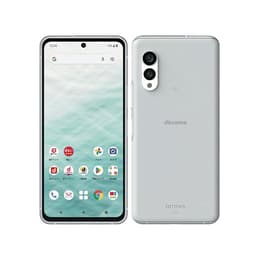
The Fujitsu Arrows N F-51C (2022) and the Sharp Aquos wish3 (2023) are compact Android smartphones designed for everyday communication and practical usability. While both models focus on sustainability by utilizing recycled materials in their construction, they cater to slightly different preferences regarding performance headroom and physical handling. The Fujitsu device runs on Android and emphasizes a higher tier of multitasking capacity, whereas the Sharp model operates on a newer generation of Android out of the box with a focus on compact simplicity.
購入可能なモデル
カラー
容量 (GB)
スコア
耐久性
When evaluating structural longevity and software support, both devices provide reliable timelines suited for standard daily use over several years, though their update windows differ slightly.
- Software Support: The Fujitsu Arrows N F-51C is backed by a multi-year update commitment covering multiple operating system upgrades, while the Sharp Aquos wish3 typically provides a standard two-year upgrade cycle depending on the specific carrier release.
- Build Durability: Both manufacturers incorporate robust environmental resistance standards and high percentages of recycled plastics, though the Fujitsu model aligns with military-grade drop testing specifications for added physical resilience.
- Repairability and Lifespan: Both smartphones feature sealed battery designs typical of modern compact phones, meaning battery replacements require professional service as the devices age through regular daily cycles.
販売年
2023
2023
OS
Android
Android
折りたたみ
いいえ
いいえ
パフォーマンス
Underneath the exterior, the two smartphones handle day-to-day tasks with distinct resource allocations, affecting how smoothly they manage intensive applications and multitasking.
- Memory and Multitasking: The Fujitsu Arrows N F-51C is equipped with a larger pool of working memory, allowing users to switch between multiple active apps with fewer reloads compared to the lighter memory configuration found on the Sharp Aquos wish3.
- App Responsiveness: Everyday tasks such as web browsing, messaging, and media streaming run reliably on both models, though the processor configuration in the Fujitsu option offers additional headroom for demanding applications and casual gaming.
- Storage Capacity: The Fujitsu model provides double the internal storage baseline alongside expandable memory support, whereas the Sharp model offers a smaller internal capacity that benefits from utilizing a microSD card for extra media files.
スクリーン品質
Visual output and display characteristics differ significantly between the two models, offering distinct experiences for media consumption and text readability outdoors.
- Display Technology: The Fujitsu Arrows N F-51C utilizes an organic light-emitting diode panel that delivers deep contrast levels and vibrant color reproduction, while the Sharp Aquos wish3 employs a standard liquid crystal display geared toward clear everyday text visibility.
- Resolution and Clarity: Higher panel resolution on the Fujitsu model ensures sharper text rendering and finer detail in images, whereas the Sharp model features a lower resolution screen that adequately supports basic messaging and reading tasks.
- Size and Handling: The Sharp model offers a noticeably smaller screen diagonal within a lighter body, making it well-suited for single-handed operation, while the slightly larger display on the Fujitsu device provides more workspace for browsing and viewing media.
解像度
1080x2400
720x1520
オーディオビジュアル
Photography capabilities and multimedia output reflect the distinct hardware classes of each device, balancing casual snapshot needs with everyday media playback.
- Main Camera System: The Fujitsu model features a high-resolution main sensor designed to capture fine details in daylight, complemented by a secondary ultra-wide lens, while the Sharp model relies on a single standard rear camera utilizing software processing for everyday snapshots.
- Low-Light and Video: The Fujitsu device handles varied lighting conditions with greater exposure accuracy, whereas the Sharp model provides straightforward point-and-shoot results suitable for casual documentation.
- Audio and Media: Built-in speaker output on both devices handles hands-free calls and casual video viewing adequately, with the Sharp model retaining a traditional headphone jack for wired audio accessories.
その他
Practical everyday features such as connectivity standards, physical dimensions, and security options define how each smartphone integrates into daily routines.
- Connectivity and Ports: Both models support 5G cellular networks and near-field communication for transit passes and payments, with the Fujitsu device using a modern reversible connector port and the Sharp model including a legacy audio jack.
- Security Sensors: Each smartphone incorporates a responsive side-mounted fingerprint reader combined with facial recognition features for convenient device unlocking.
- Physical Dimensions: The Sharp model is lighter and more compact overall, making it exceptionally easy to pocket, while the Fujitsu device balances a larger screen surface area with a slim profile and lightweight frame.
重量
171 g
161 g
画面サイズ(インチ)
6.24
5.7
ネットワーク
5G
5G
デュアルSIM
シングルSIM + eSIM
デュアルSIM
SIMカード
SIMフリー
SIMフリー
コミュニティの評価
Choosing between the Fujitsu Arrows N F-51C and the Sharp Aquos wish3 depends largely on individual feature priorities and daily usage habits. Users who prioritize a higher-resolution display, larger internal storage, and smoother multitasking capabilities often lean toward the Fujitsu model. Conversely, users who value a more compact physical footprint, a traditional headphone jack, and a lightweight build frequently find the Sharp device better aligned with their daily routines.
Community discussions highlight praise for the comfortable one-handed handling of the Sharp model and the vibrant screen quality of the Fujitsu option, while noting that both devices are best suited for communication and light productivity rather than heavy mobile gaming. For buyers exploring sustainable technology, choosing a quality-assured refurbished option provides an eco-friendly alternative that extends device lifecycles while supporting lower environmental impact.