違いを一目で確認
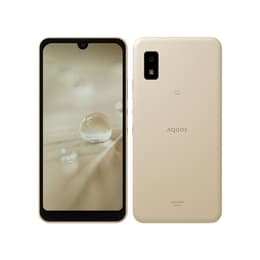
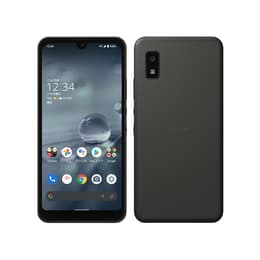
The Sharp Aquos wish SHG06 (2021) and the Sharp Aquos wish2 (2022) are compact, entry-level smartphones designed for everyday reliability and simplicity. While they share an identical physical design and core body structure, the later model introduces a refined processor that improves overall responsiveness. The Aquos wish originally shipped with Android 11, whereas the Aquos wish2 launched with Android 12, giving both devices slightly different software starting points while maintaining a straightforward, user-friendly interface.
スコア
耐久性
Both models offer comparable physical longevity and robust build quality, though their release timing and software lifecycles differ slightly.
- Software support: Both devices follow standard update paths, with the newer model benefiting from a one-year later launch date for extended software relevance.
- Durability standards: Both phones feature high-grade water resistance, dust protection, and shock-resistant compliance under military drop-test standards.
- Repairability and lifespan: Both units share identical chassis designs and components, making their expected practical lifespan very similar for daily communication and standard tasks.
販売年
2022
2022
OS
Android
Android
折りたたみ
いいえ
いいえ
パフォーマンス
The primary distinction between these two devices lies under the hood, where processing power and everyday multitasking capabilities see an upgrade in the newer generation.
- App loading and multitasking: The Aquos wish2 handles demanding apps and switching between multiple programs more fluidly thanks to its current-generation processor upgrade.
- Storage configuration: Both devices come equipped with 64GB of internal storage and support expandable storage via microSD cards for media and documents.
- Battery behavior: Both models utilize a 3,730mAh battery capacity, providing consistent power delivery that comfortably lasts through standard daily messaging and web browsing.
スクリーン品質
Visual specifications remain consistent across both generations, offering a compact viewing experience tailored for practical utility rather than media consumption.
- Display technology: Both phones use a 5.7-inch LCD panel with HD+ resolution, delivering clear text and simple layouts for everyday reading.
- Outdoor visibility: Screen brightness levels on both devices are adequate for standard indoor use, though direct sunlight requires manual brightness adjustments.
- Handling and footprint: The compact screen size combined with narrow bezels ensures that both models fit comfortably in one hand or small pockets.
解像度
720x1520
720x1520
オーディオビジュアル
Photography hardware and multimedia features are identical across both models, focusing on straightforward point-and-shoot functionality.
- Camera capabilities: Both feature a single 13-megapixel rear camera and an 8-megapixel front-facing camera suitable for casual snapshots and video calls.
- Low-light and video: Imaging performance is optimized for daylight conditions, while low-light environments produce standard grain typical of entry-level mobile sensors.
- Audio output: Both devices include a standard 3.5mm headphone jack and support high-resolution audio playback for wired headphones.
その他
Practical everyday features, physical dimensions, and connectivity options remain entirely consistent between the two generations.
- Build materials: Both outer casings incorporate recycled plastic materials with a matte finish that resists fingerprint smudges.
- Physical dimensions: Each phone weighs 162 grams and measures 147 by 71 by 8.9 millimeters, ensuring identical ergonomics and pocketability.
- Security and connectivity: Both models include a side-mounted fingerprint sensor, 5G network compatibility, NFC support for mobile payments, and a USB Type-C charging port.
重量
162 g
162 g
画面サイズ(インチ)
5.7
5.7
ネットワーク
5G
5G
デュアルSIM
デュアルSIM
シングルSIM
SIMカード
SIMフリー
SIMフリー
コミュニティの評価
Users evaluating these two smartphones frequently highlight their compact size, lightweight handling, and durable builds as major advantages for daily commuting and basic communication. Common discussions note that while the screen resolution is modest, it matches the simple, utilitarian nature of the devices. Some users point out that the entry-level cameras are best reserved for casual documentation rather than detailed photography, and heavy mobile gamers may find the processing limits apparent during intensive sessions.
Users prioritizing smoother multitasking and slightly faster app response times will lean toward the Aquos wish2 due to its upgraded processor. Meanwhile, users seeking a straightforward communication tool for basic tasks will find the original Aquos wish equally sufficient. For those looking at sustainable tech acquisition, opting for a quality-assured refurbished option provides a reliable way to access these eco-friendly devices while reducing electronic waste. Ultimately, both models serve consumers looking for a dependable, pocket-sized smartphone without unnecessary complexity.