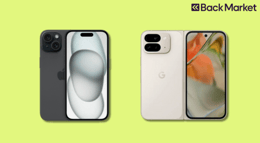
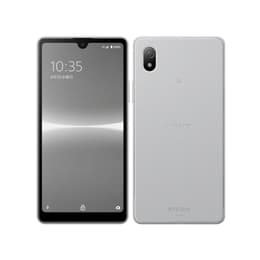

違いを一目で確認
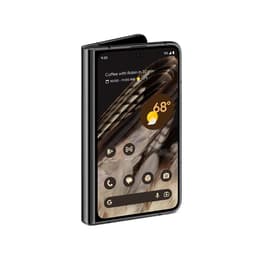
Google Pixel Fold (2023) and Sony Xperia Ace III (2022) represent drastically different approaches to smartphone design, catering to completely distinct form-factor preferences and functional needs. While Google's device offers an innovative foldable screen experience with expansive multitasking properties, Sony's model focuses on a compact, traditional candy-bar layout built for single-handed usability. Both devices operate on the Android platform, yet they target fundamentally separate segments of mobile device users through contrasting physical builds and core capabilities.
購入可能なモデル
カラー
容量 (GB)
スコア
耐久性
When evaluating structural longevity and software support timelines, these two devices display notable differences influenced by their respective release years and market positioning.
- Software Support and Updates: The Google Pixel Fold benefits from an extended software support window typical of higher-tier modern releases, whereas the Sony Xperia Ace III operates on an earlier software lifecycle track.
- Build and Repairability: The Pixel Fold incorporates a complex mechanical hinge structure requiring careful handling, while the Xperia Ace III features a simpler, durable traditional body protected by resilient glass.
- Expected Practical Lifespan: Both models sustain daily functionality well, though users tracking multi-year software relevance generally find extended utility in more recently supported hardware tiers.
販売年
2023
2022
OS
Android
Android
折りたたみ
はい
いいえ
パフォーマンス
Day-to-day processing behavior and resource management differ significantly, reflecting the distinct hardware tiers of each smartphone.
- Multitasking and App Responsiveness: The Google Pixel Fold handles heavy gaming, demanding applications, and multi-window split screens smoothly thanks to its high-capacity RAM and advanced processor setup. The Sony Xperia Ace III manages standard daily tasks such as web browsing, messaging, and light media playback reliably with its entry-tier processor.
- Storage Capacity: The Pixel Fold provides expansive internal storage configurations for large media libraries, whereas the Xperia Ace III offers a modest capacity supplemented by external expansion options.
- Battery Behavior: The Pixel Fold's large physical footprint and dual displays require careful power management during intensive tasks, while the Xperia Ace III benefits from a modest screen size that helps conserve battery charge across routine use.
スクリーン品質
Display configurations define the core identity of both products, presenting users with contrasting visual workspace options.
- Display Technology and Layout: The Pixel Fold utilizes a flexible inner organic light-emitting diode panel that opens into a tablet-sized workspace alongside an external cover screen. The Xperia Ace III employs a compact, traditional high-definition display panel designed for straightforward vertical viewing.
- Visual Clarity and Refresh Rate: The Pixel Fold features a high refresh rate for fluid scrolling and animations, whereas the Xperia Ace III relies on a standard refresh rate suited for basic text and video consumption.
- Outdoor Usability: Both screens reach adequate brightness levels for daylight visibility, though larger foldable panels require adjustments under direct, intense sunlight.
解像度
1840 x 2208
1496 x 720
オーディオビジュアル
Optics and media playback hardware vary widely, providing distinct tools for photography and audio enthusiasts.
- Camera System Capabilities: The Pixel Fold incorporates a versatile triple-lens rear array supported by advanced computational photography tools for detailed low-light and zoomed shots. The Xperia Ace III relies on a straightforward single rear sensor suited for casual, everyday snapshot documentation.
- Video and Audio Output: The Pixel Fold supports high-resolution video recording modes and balanced stereo speakers for immersive media viewing, while the Xperia Ace III covers essential recording functions and standard audio output.
- Call Quality: Microphone clarity on both devices ensures crisp voice transmission during standard phone calls and virtual meetings.
その他
Practical physical attributes and connectivity standards shape how each device fits into travel and daily routines.
- Connectivity Standards: Both devices support modern 5G cellular networks, Wi-Fi standards, and Bluetooth for accessory pairing.
- Physical Dimensions and Weight: The Pixel Fold represents a substantial, heavy device designed for two-handed use when unfolded, whereas the Xperia Ace III stands out as a lightweight, narrow pocket-friendly option.
- Biometrics and Ports: Both models utilize reliable physical or facial security sensors alongside standard USB Type-C connectivity for charging and data transfer.
重量
283 g
162 g
画面サイズ(インチ)
7.6
5.5
ネットワーク
5G
5G
デュアルSIM
シングルSIM + eSIM
シングルSIM + eSIM
SIMカード
SIMフリー
SIMフリー
コネクタ
USB-C
USB-C
コミュニティの評価
User feedback from online communities highlights distinct praise and common criticisms for both devices. Owners of the Google Pixel Fold frequently praise its expansive multitasking workspace and versatile camera system, while noting that its heavy weight and complex hinge require careful adjustment. Conversely, users of the Sony Xperia Ace III appreciate its exceptionally lightweight, compact form factor and straightforward handling, though some point out limitations in processing power and display sharpness during intensive media tasks.
Users prioritizing maximum screen estate for productivity and advanced photography will find the Google Pixel Fold well-suited to their workflow, while those who favor a lightweight, pocket-friendly device for basic communication may lean toward the Sony Xperia Ace III. For consumers exploring a sustainable choice, a quality-assured refurbished option provides a reliable way to acquire these devices while minimizing environmental impact. Ultimately, selecting between the two depends entirely on whether daily habits favor an expansive folding workspace or a traditional, minimalist handheld design.