
違いを一目で確認
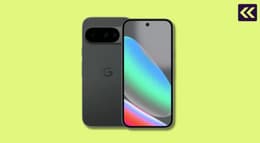
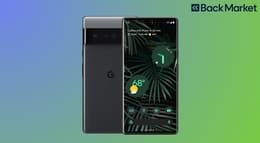
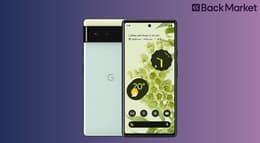
Google Pixel 9 (2024) and Sharp Aquos wish3 (2023) are distinct smartphones designed for vastly different everyday needs and user preferences. While the Pixel 9 operates as a feature-rich, high-end device with advanced capabilities, the Aquos wish3 focuses on compact simplicity, lightweight handling, and essential communication tasks. Both devices run on the Android operating system, though they offer contrasting software experiences and hardware configurations. Understanding their practical differences helps clarify which model aligns with specific daily routines.
購入可能なモデル
カラー
容量 (GB)
スコア
耐久性
Both smartphones approach hardware longevity and software support from distinct timelines, influencing how long they remain viable daily drivers.
- Software Support Duration: The Pixel 9 benefits from an extended multi-year update commitment, ensuring long-term software security, while the Aquos wish3 follows a standard entry-level update cycle.
- Build Durability: The Pixel 9 features robust glass and metal construction with high-tier water and dust resistance, whereas the Aquos wish3 utilizes recycled plastic housing designed to withstand daily wear and minor drops.
- Expected Lifespan: Users seeking extended hardware longevity and ongoing system feature additions will find the Pixel well-suited, while the Aquos fits shorter upgrade cycles or straightforward communication requirements.
販売年
2024
2023
OS
Android
Android
折りたたみ
いいえ
いいえ
パフォーマンス
System responsiveness and hardware capability differ significantly, impacting how each phone handles daily applications, multitasking, and power management.
- Multitasking and App Handling: The Pixel 9 manages heavy multitasking, demanding games, and intensive applications smoothly with ample system memory, while the Aquos wish3 handles basic messaging, web browsing, and lightweight apps reliably.
- Storage Capacity: The Pixel 9 provides generous internal storage tiers for extensive media collections, whereas the Aquos wish3 offers modest onboard storage paired with expandable memory card support.
- Battery Behavior: The Pixel 9 delivers a full day of mixed usage under heavy loads, while the Aquos wish3 manages daily energy efficiently for lighter tasks, aided by smaller hardware resource demands.
スクリーン品質
Display technologies and visual experiences vary notably between the two models, affecting outdoor visibility and media consumption.
- Display Technology: The Pixel 9 utilizes a vibrant OLED panel with deep contrast and smooth high-refresh-rate scrolling, while the Aquos wish3 uses a standard LCD screen with a conventional refresh rate.
- Brightness and Clarity: The Pixel 9 offers high peak brightness levels for clear outdoor legibility under direct sunlight, whereas the Aquos wish3 provides adequate indoor clarity at a modest resolution.
- Viewing Experience: Users prioritizing immersive media viewing and fluid animations lean toward the Pixel display, while those requiring basic text readability find the Aquos screen functional for daily alerts and calls.
解像度
1080 x 2424
720x1520
オーディオビジュアル
Camera hardware and audio output cater to different levels of photography interest and media playback expectations.
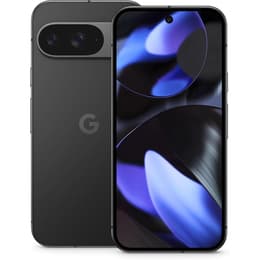
- Camera Systems: The Pixel 9 features a versatile dual-lens rear setup capable of detailed low-light shots and wide-angle framing, while the Aquos wish3 equips a single straightforward rear lens geared toward casual snapshots.
- Video and Audio: The Pixel 9 records high-resolution video with advanced stabilization and balanced stereo speakers, whereas the Aquos wish3 handles basic video recording and includes a traditional headphone jack for wired audio.
- Everyday Media: Content creators and photography enthusiasts benefit from the Pixel's advanced image processing, while casual users find the Aquos sufficient for quick reference photos and voice calls.
その他
Physical dimensions, connectivity standards, and practical hardware additions shape the day-to-day handling and usability of each device.
- Handling and Form Factor: The Pixel 9 offers a larger screen workspace within a modern frame, whereas the Aquos wish3 prioritizes a compact, lightweight body that fits easily into smaller pockets.
- Connectivity and Ports: Both models support modern wireless standards like 5G and NFC, though the Aquos wish3 retains physical media flexibility via a headphone jack and microSD slot.
- Security Sensors: Both devices incorporate reliable biometric authentication methods, including facial recognition and fingerprint sensors for quick unlocking.
重量
198 g
161 g
画面サイズ(インチ)
6.3
5.7
ネットワーク
5G
5G
デュアルSIM
シングルSIM + eSIM
デュアルSIM
SIMカード
SIMフリー
SIMフリー
コミュニティの評価
User discussions and community feedback indicate that buyer satisfaction largely depends on matching device capabilities with individual daily habits. Users prioritizing advanced photography, fluid high-refresh displays, and extensive multitasking capabilities frequently praise the Pixel 9 for its robust execution. Conversely, users seeking a compact, lightweight communication tool with simple operation often highlight the practical utility and manageable size of the Aquos wish3. Common criticisms for the Pixel involve its larger physical footprint and heavier weight, while Aquos users occasionally note performance limits during demanding tasks.
Users prioritizing high-end performance, photography versatility, and long-term software updates may prefer the Google Pixel 9. Meanwhile, users prioritizing a compact form factor, lightweight handling, and straightforward everyday communication may lean toward the Sharp Aquos wish3. Exploring quality-assured refurbished options provides a sustainable choice for acquiring either device while supporting eco-friendly technology consumption.