iPhone
違いを一目で確認
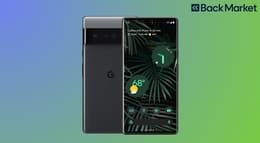
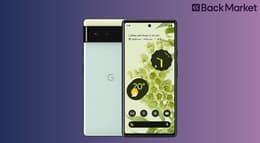
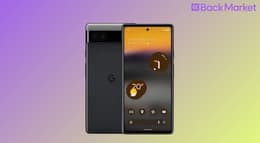
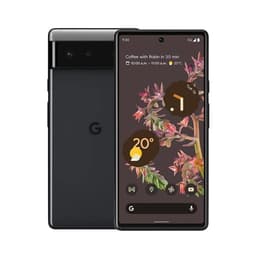
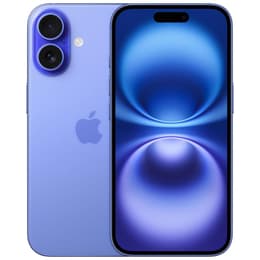
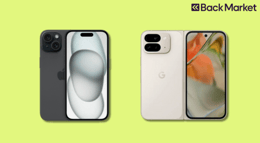
Google Pixel 6 (2021) and iPhone 16 (2024) are smartphones from two distinct ecosystems, Android and iOS, respectively. While both devices offer a comprehensive smartphone experience, they cater to different user preferences and represent different generations of mobile technology. The iPhone 16, released three years after the Pixel 6, brings more recent advancements in processing power, camera capabilities, and overall system efficiency, while the Pixel 6 continues to offer a strong photography experience and a pure Android interface.
カラー
容量 (GB)
The longevity of a smartphone is influenced by its release timeline, software support, and physical resilience. The Google Pixel 6 and iPhone 16 offer differing expectations in these areas.
販売年
最新OSに対応
折りたたみ
Performance is a key differentiator, especially given the generational gap between these two devices. The core processing unit and memory configuration significantly impact how smoothly applications run and how efficiently the device handles demanding tasks.
The display is the primary interface for user interaction, and both the Google Pixel 6 and iPhone 16 offer high-quality viewing experiences, though with some notable differences in specifications.
解像度
画面の種類
Both the Google Pixel 6 and iPhone 16 are recognized for their strong camera capabilities, leveraging advanced hardware and computational photography to produce high-quality images and videos.
メインカメラ
フロントカメラ
Beyond core performance and camera, several practical elements contribute to the overall user experience, including connectivity, physical design, and unique features.
重量
画面サイズ(インチ)
ネットワーク
デュアルSIM
SIMカード
The Google Pixel 6 and iPhone 16 cater to different user needs, largely due to their generational difference and operating systems. Users often praise the Pixel 6 for its exceptional camera quality, particularly its computational photography prowess, which delivers impressive still images for its age. Its clean Android experience and unique Google-specific features are also frequently highlighted as positives. However, common criticisms include mixed battery life performance, especially under heavy 5G usage, and some users have reported issues with the in-display fingerprint sensor and occasional overheating.
The iPhone 16, being a much newer device, receives praise for its significantly more powerful processor, leading to consistently smooth and responsive performance across all tasks. Its advanced camera system, with improved video capabilities and the new Camera Control button, is also a strong point. Users appreciate the long-term software support Apple provides, ensuring the device remains current and secure for many years. While the base model's 60Hz display might be a point of contention for some, its overall refined user experience and robust ecosystem are highly valued.
Users prioritizing a cutting-edge mobile experience with top-tier performance, advanced video capabilities, and extended software longevity will find the iPhone 16 well-suited to their needs. Its compact design and robust ecosystem make it a reliable choice for those deeply integrated into Apple's services. Conversely, users who value a pure Android experience, a strong still photography camera at a more accessible point, and unique AI-driven features might lean towards the Google Pixel 6. For those considering either device, exploring quality-assured refurbished options can provide a sustainable choice, offering excellent functionality while extending the product's lifecycle.